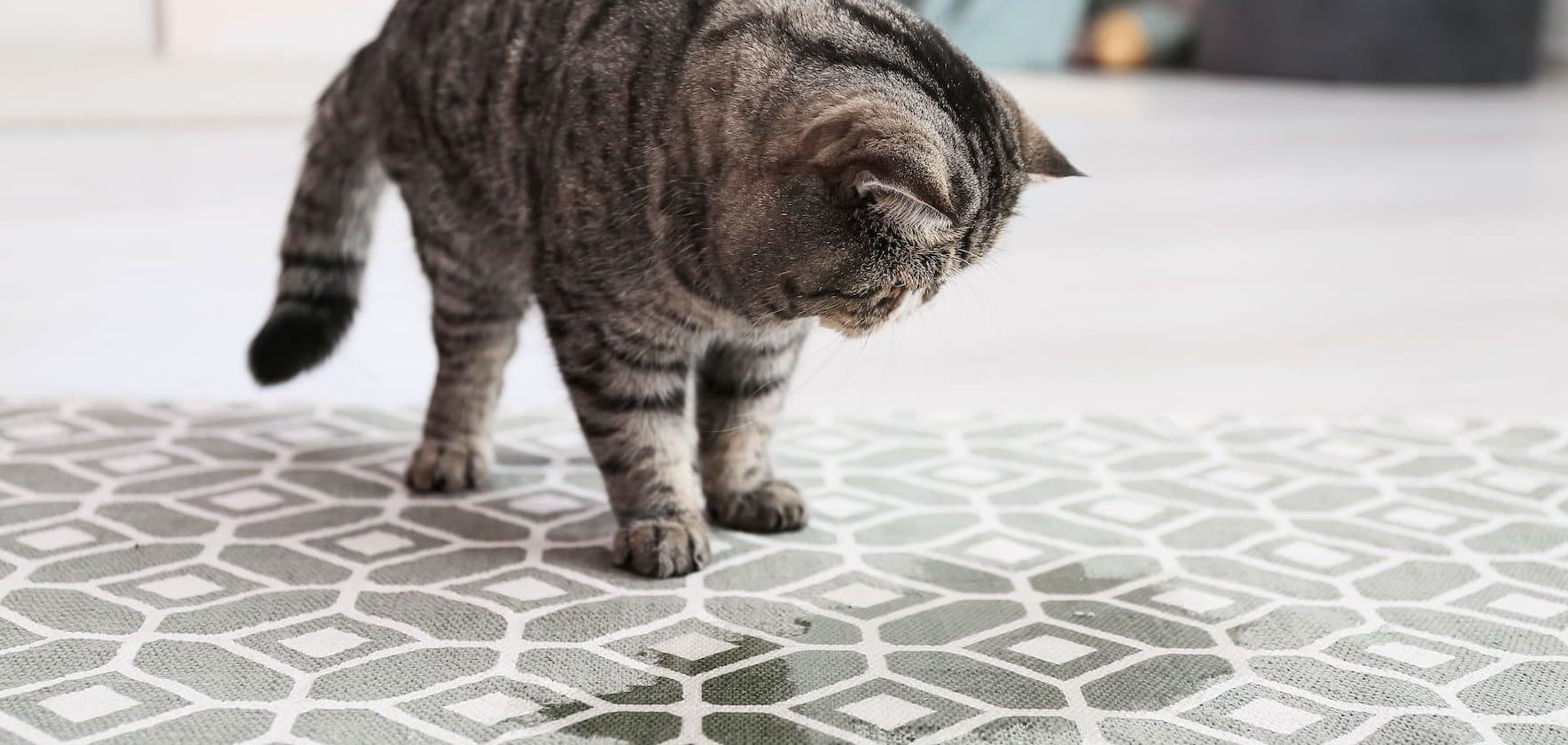


Finding cat urine on your bed, clothes, or another unexpected spot is frustrating. But cats usually aren’t peeing on things out of spite or to “get back at” you. More often, the behaviour is a sign that something isn’t right.
Medical problems, stress, and litter box issues are some of the most common reasons cats pee outside the box. If your cat suddenly starts doing it, it’s especially important to rule out a health problem before assuming it’s behavioural.
In this article
Why do cats pee on things?
There are several possible reasons your cat may be peeing on things instead of using their litter box. The most common fall into four categories: medical issues, litter box problems, stress, and territorial behaviour.
Medical issues
A cat that suddenly starts urinating outside the litter box may have a health problem that makes urination painful, urgent, or difficult to control. Possible causes include:
- Urinary tract infections
- Urinary crystals or stones
- Kidney disease
- Diabetes
- Arthritis or mobility problems
- Incontinence
If your cat is straining to urinate, there’s blood in their urine, they’re crying while peeing, or producing little or no urine, contact your vet immediately. A cat that can’t urinate needs emergency veterinary care.
Litter box problems
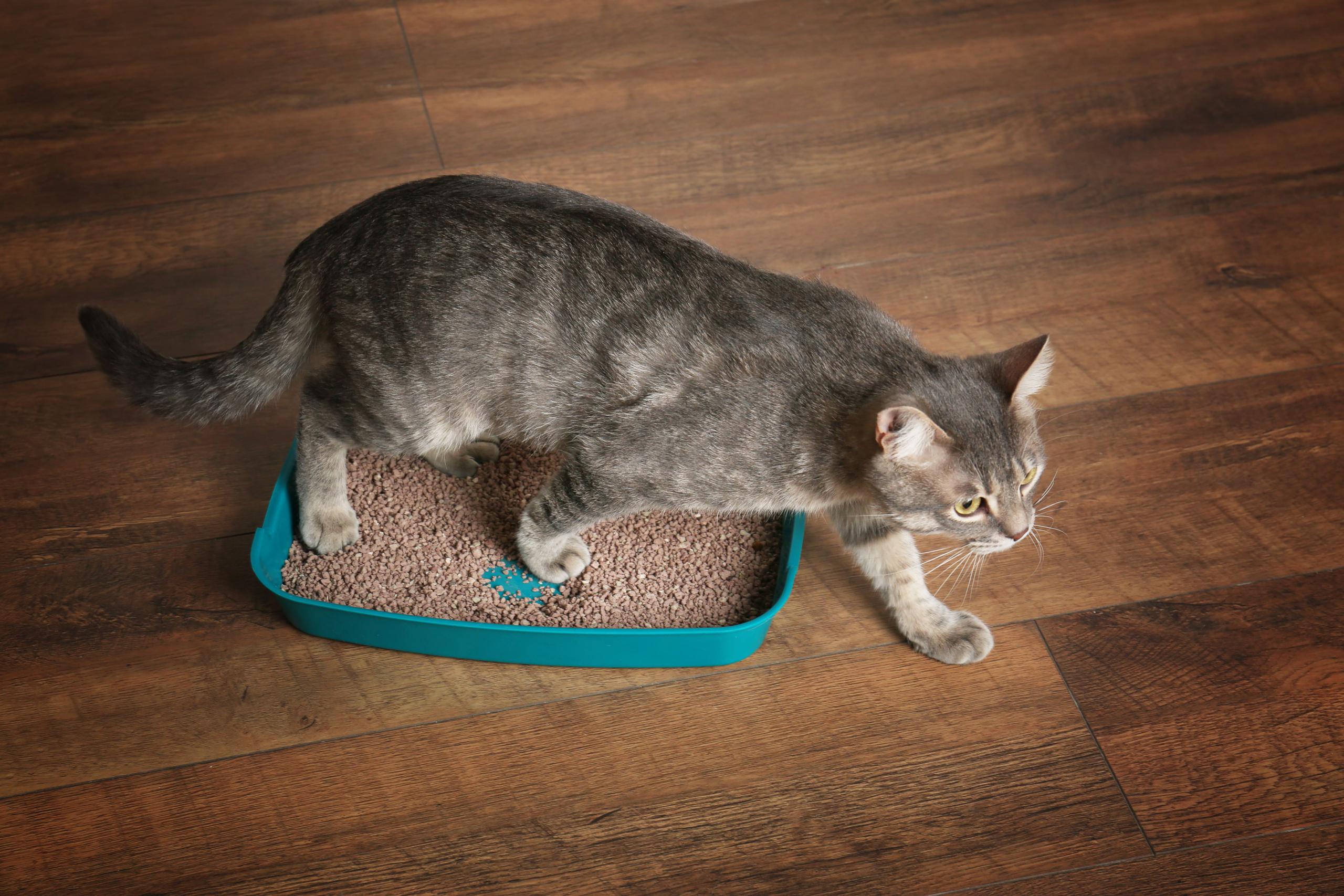
Sometimes, the problem is the litter box itself. Your cat may avoid it if:
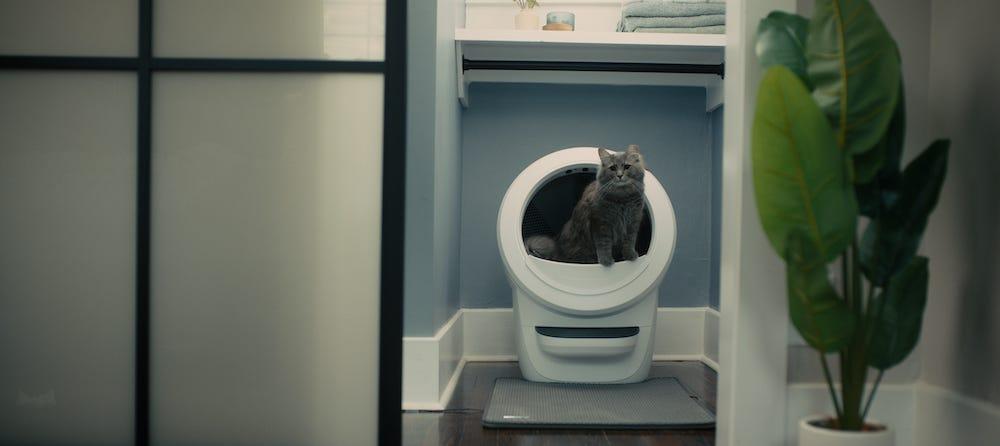
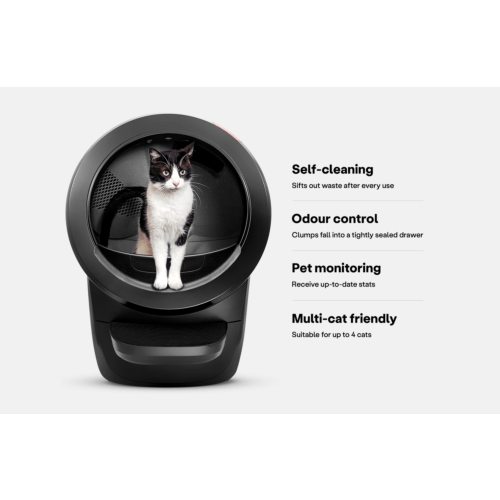
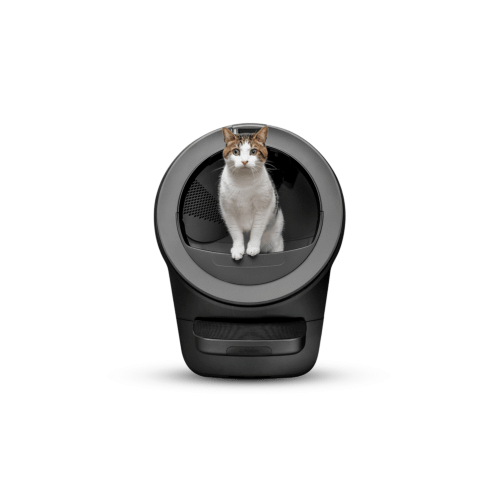
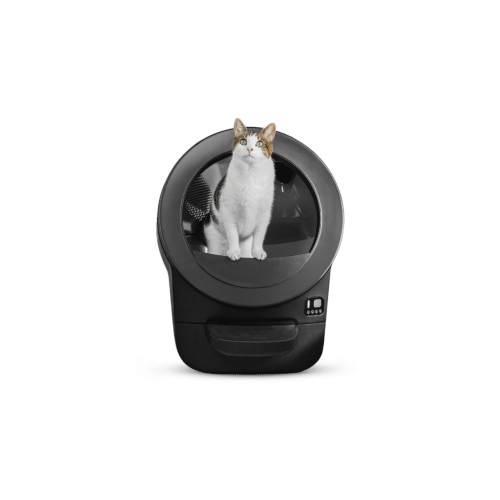
- It isn’t clean enough: Cats dislike stepping into previously soiled litter. Upgrading to an automatic self-cleaning litter box ensures a fresh bed of litter after every use.
- Unappealing litter: Synthetic scents or rough textures can drive cats away. Many cats prefer a soft, unscented clumping litter.
- Poor box placement: Placing the box near loud appliances or high-traffic areas makes cats feel vulnerable.
- Multi-cat competition: How many litter boxes should you have? The general rule is one per cat, plus one extra. However, high-tech solutions like automatic litter boxes help manage multi-cat households by resetting automatically between pets.
Even a previously reliable cat can start looking elsewhere if their litter box setup isn’t sufficient.
Stress and anxiety
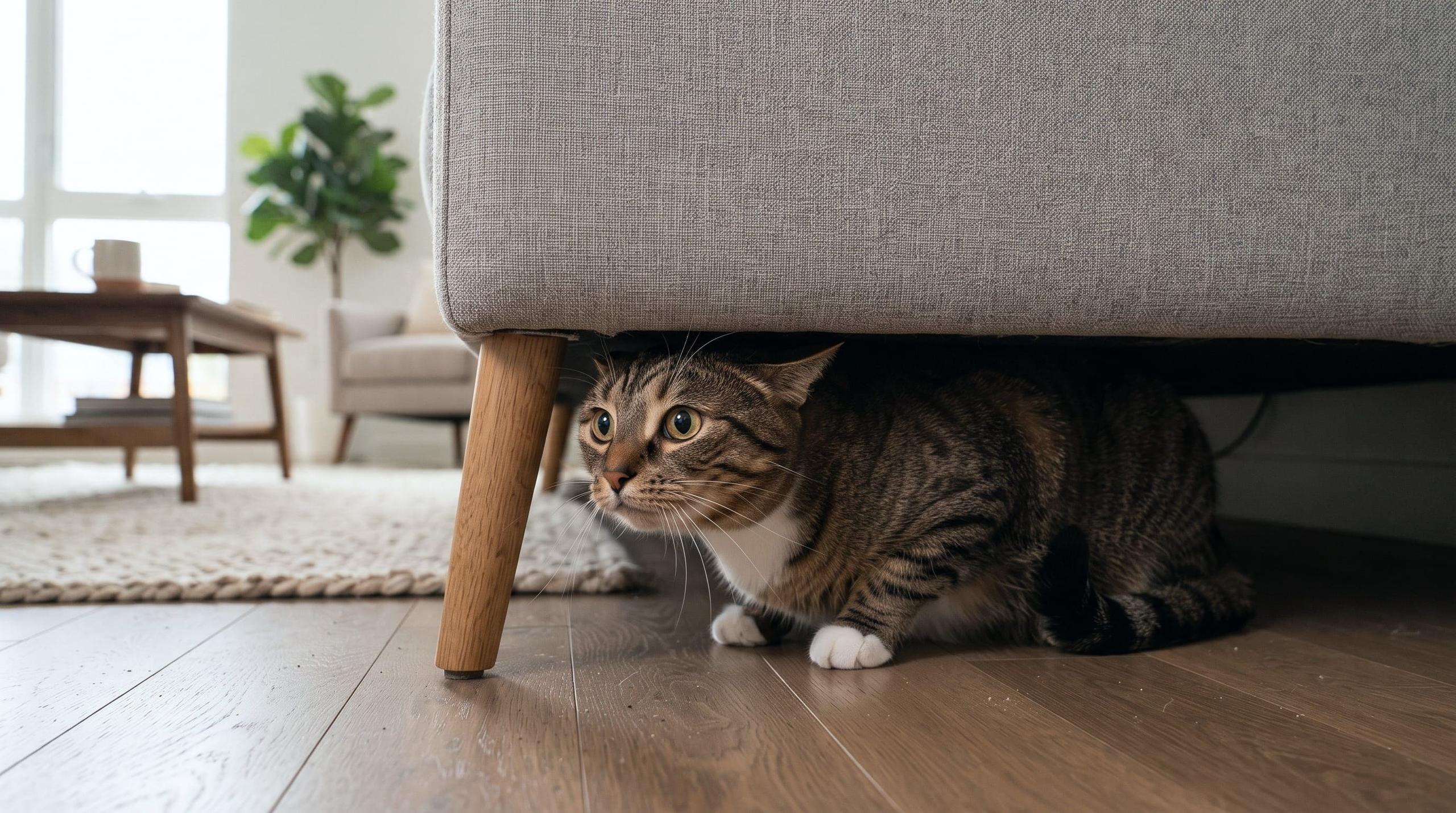
Cats are sensitive to changes in their environment. Moving, a new pet, visitors, changes in routine, or conflict with another cat can all cause stress-related litter box problems.
Territorial behaviour
Urine can also be used as a form of scent marking. This is different from simply emptying their bladder. Cats may mark areas, or spray, when they feel their territory is threatened or when there’s social tension in the home.
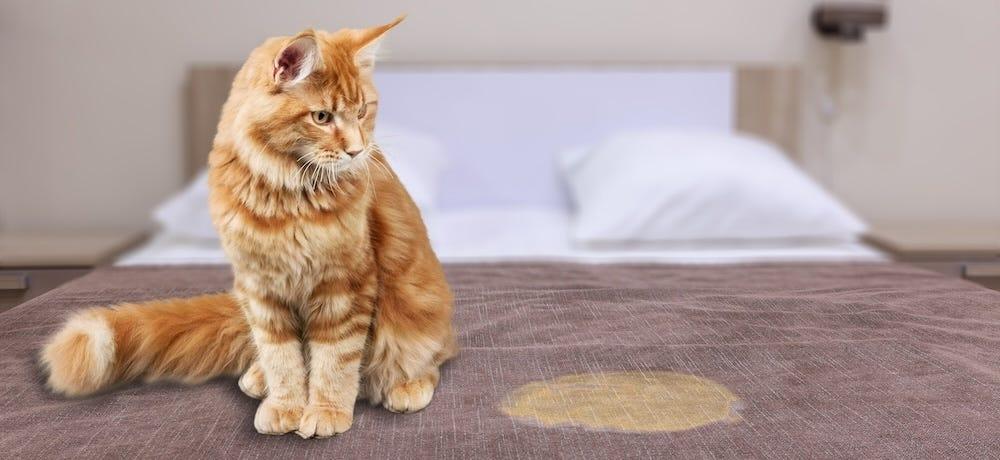
Why is my cat peeing on the bed?
If your cat keeps peeing on your bed, there may be more to it than simply liking the texture.
Beds are soft, absorbent, quiet, and strongly smell like you. For a stressed cat, your scent can be comforting. A bed could also feel safer than a litter box that’s dirty, difficult to access, or located somewhere the cat feels threatened.
Possible reasons include:
- Stress or anxiety
- Separation-related stress
- Urinary pain or urgency
- Litter box aversion
- A preference for soft surfaces
- Seeking out your familiar scent when stressed
If your cat has suddenly started peeing on your bed, don't assume they're doing it intentionally. Start by ruling out a medical problem and looking for changes in their environment.
Why is my cat peeing on clothes?
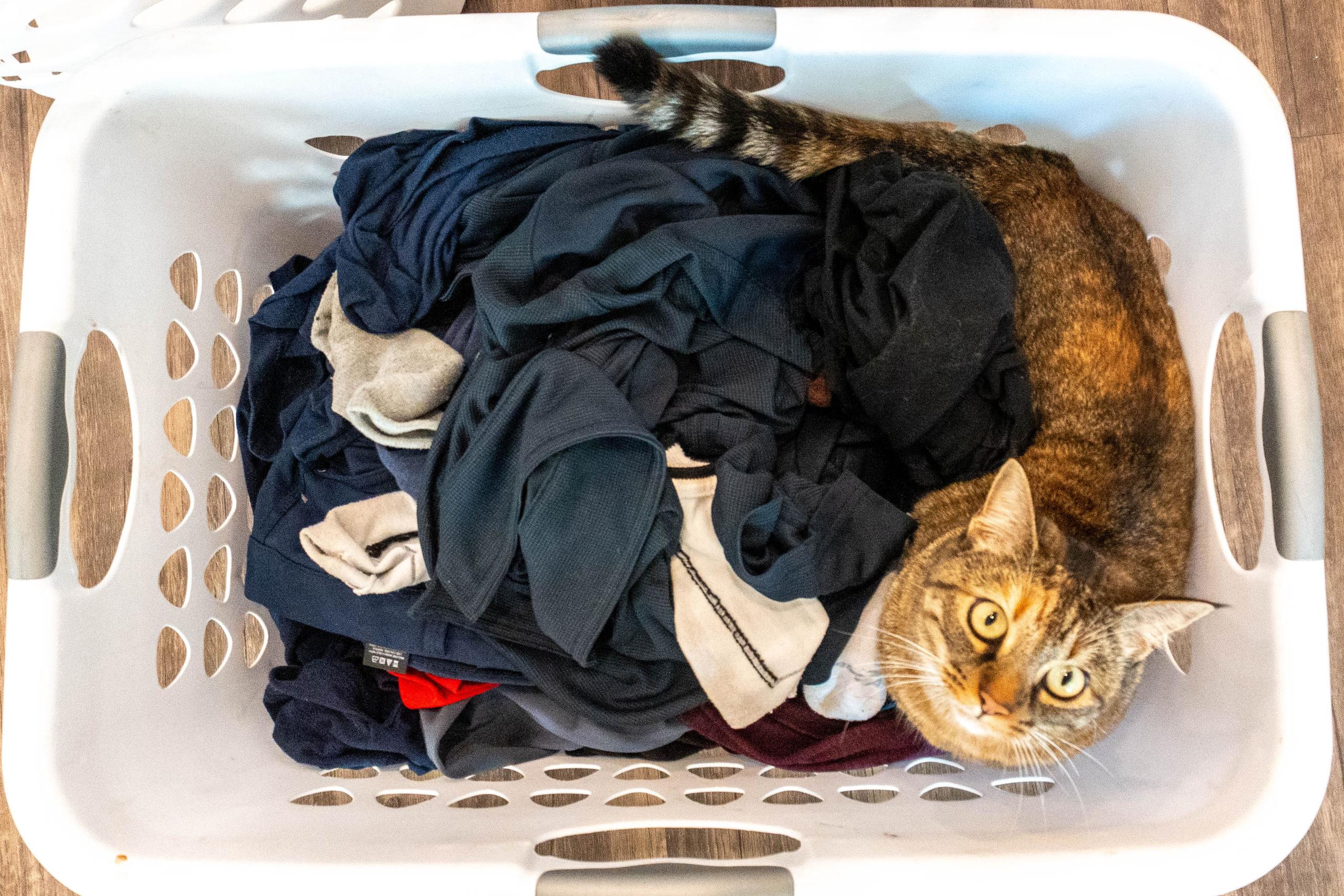
Cats might also choose clothing because it combines a soft texture with your scent.
Your clothes can be especially appealing if your cat is stressed or seeking something familiar. But clothing can also become a repeat target if the urine smell isn’t fully removed after the accident.
Other possible explanations include:
- An unpleasant litter box
- Stress or territorial insecurity
- A preference for soft surfaces
- A medical problem causing urgency or discomfort
- A previous accident that wasn't thoroughly cleaned
While you're figuring out the cause, keep dirty laundry out of reach and thoroughly clean any affected items with a product designed to break down pet urine odours.
Why is my cat suddenly peeing on things?
A sudden change in your cat's bathroom habits deserves attention. It can point to a medical problem, new source of stress, or recent change to their litter box.
Think about what has changed recently:
- Did you get a new pet?
- Has someone new moved into the home?
- Have you rearranged furniture?
- Did you change litter?
- Has the litter box been getting dirtier than usual?
- Has access to the litter box changed?
- Is another cat blocking or intimidating your cat?
If you can't identify an obvious environmental cause, schedule a vet checkup. Cats are good at hiding illness, and changes in litter box behaviour can sometimes be one of the first visible clues.
What to do first if your cat is peeing on things
Once you notice a problem, focus on finding the cause rather than punishing the behaviour.
1. Call your veterinarian if the behaviour is new
Especially if your cat is also straining, urinating frequently, vocalizing while urinating, or has blood in their urine.
2. Clean accidents thoroughly
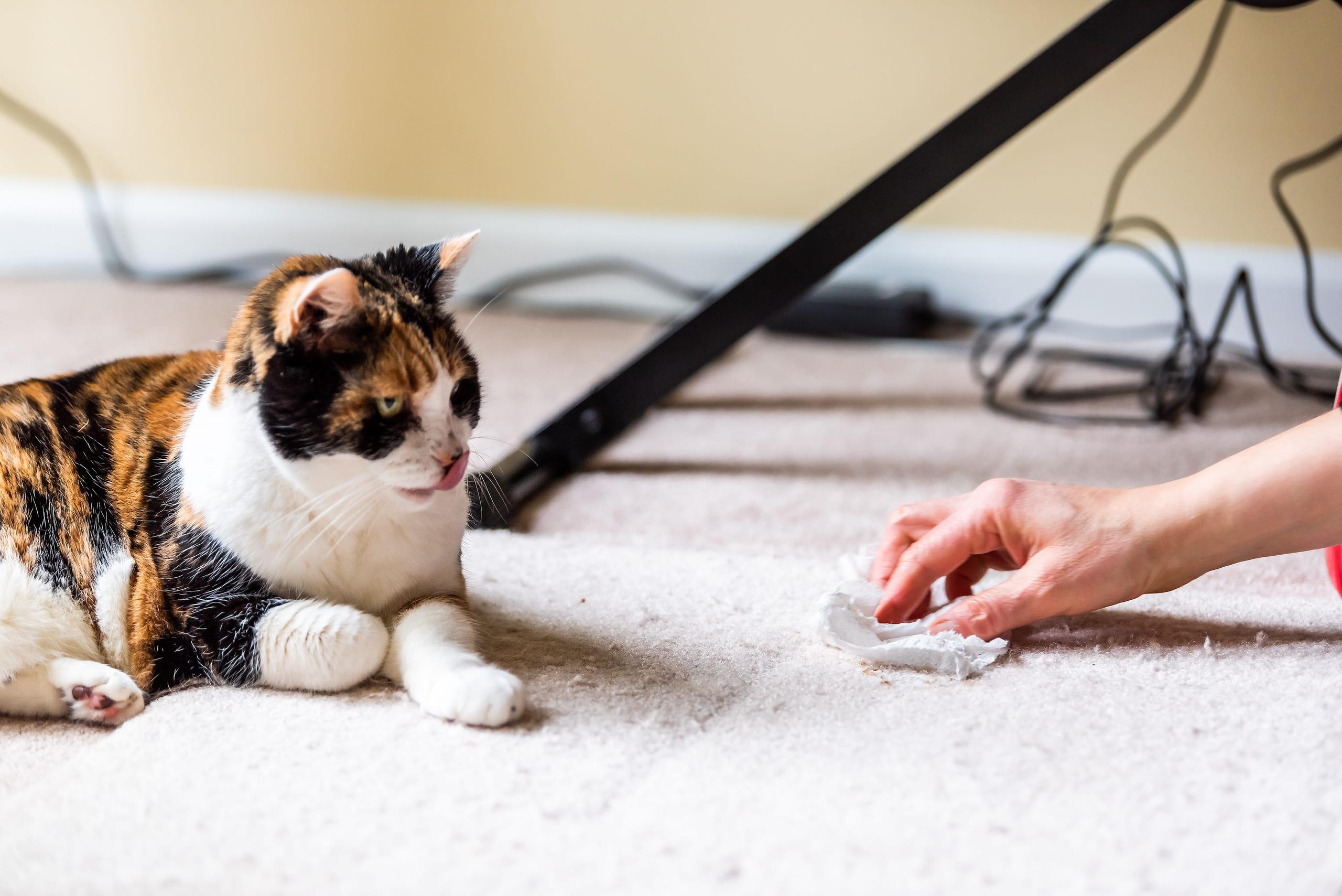
Use an enzymatic cleaner designed for pet urine. Regular household cleaners may remove the visible mess but don’t always completely eliminate the odour your cat can still detect.
3. Reassess the litter box
Look at:
- Cleanliness
- Box size
- Litter type and texture
- Litter depth
- Number of boxes
- Location and accessibility
4. Reduce stress
Give your cat predictable routines, quiet places to retreat, and separate resources if another pet is causing tension.
5. Limit access to repeat targets
If your cat repeatedly pees on a particular bed, pile of clothes, or rug, temporarily block access while you investigate the underlying problem.
Common mistakes that make the problem worse
When a cat pees outside the litter box, it’s normal to be frustrated. But some common responses can actually make the behaviour worse.
- Punishing the cat – Your cat isn't being spiteful, and punishment can increase fear and stress.
- Assuming it's revenge – Cats don't urinate outside the box to punish you.
- Cleaning only the surface – Lingering urine odour can encourage repeat accidents.
- Ignoring the litter box setup – If your cat dislikes the box, simply putting them back in it won't solve the problem. And expecting a cat to use a dirty litter box is one of the primary causes of behavioural aversion.
- Overlooking household stress – Conflict between cats or changes at home can affect litter box habits.
- Waiting to rule out health problems – A sudden change should always put medical causes on the radar.
Never punish your cat for peeing outside the litter box. Instead, focus on figuring out why they're doing it and making the appropriate changes.
FAQs
How do I get cat pee out of a mattress?
Blot up as much as you can with a towel. Don't rub, which pushes urine deeper into the foam. Saturate the spot with an enzymatic cleaner so it reaches as far down as the urine did, then let it air dry completely. Skip steam cleaners and anything containing ammonia.
How do I get cat pee smell out of clothes?
Rinse the item in cold water, then soak it in an enzymatic cleaner or enzyme-based detergent before washing. Wash cold and air dry (dryer heat can set any remaining odour). Avoid ammonia-based products, which smell enough like urine to invite repeat accidents.
Do cats pee out of spite?
No. Cats don't urinate outside the litter box to punish you or get back at you. The behaviour almost always signals a medical problem, stress, or something about the litter box setup they're avoiding. Punishing your cat increases fear and usually makes it worse.
How many litter boxes should I have?
One box per cat, plus one extra — so two cats need three boxes. Boxes in separate rooms count for more than boxes lined up side by side, since a cat blocked from one still has somewhere to go. Too few boxes is a common cause of accidents.
Sources:
Undesirable Elimination Disorders in Cats