

Bringing home a cat costs more than just the adoption fee. Your budget needs to account for initial supplies, food, litter, routine vet care, and the possibility of unexpected medical expenses.
You don't need to predict every expense perfectly. A realistic cat-care budget gives you a better idea of what to expect each month and helps you prepare for bigger costs down the road.
Battersea estimates that a cat typically costs around £1,500 a year, and PDSA estimates that caring for a cat costs at least £11,400 to £13,600 over its lifetime, although actual costs vary based on where you live, your cat's age and health, and the choices you make.
In this article
- How much does it cost to adopt a cat?
- Average cost of owning a cat: monthly and annual budget
- How much does a cat cost per month?
- Vet care costs to budget for every year
- How much is pet insurance for a cat?
- Pet insurance vs. an emergency fund: which fits your budget?
- The hidden costs of cat ownership people forget
- How to budget smarter without cutting corners on care
- Where convenience products can help your long-term budget
How much does it cost to adopt a cat?
The answer depends heavily on where you get your cat and what they need.
Adopting from a shelter or rescue is typically less expensive upfront than purchasing a cat from a breeder. Adoption fees will sometimes cover initial vet services, such as vaccines, microchipping, or spaying or neutering, but you'll still need to budget for supplies and ongoing care. Cats Protection, for example, lists adoption fees of £80 to £120 for an adult cat and £100 to £120 for a kitten.
If you're purchasing a specific breed, the initial cost can be substantially higher. Popular or less common breeds may cost hundreds or even thousands of pounds from a breeder.
But the initial purchase price is only one piece of the puzzle. A better way to think about affordability is how much you'll spend caring for your cat over their lifetime.
Average cost of owning a cat: monthly and annual budget
|
Expense category |
Typical timing |
Budgeting considerations |
|
Adoption or purchase |
One-time |
Shelter adoption fees are generally lower than breeder prices |
|
Supplies and setup |
One-time |
Carrier, litter tray, food and water bowls, scratching posts, bedding, toys |
|
Food |
Monthly |
Depends on diet, food type, brand, and your cat's size |
|
Litter |
Monthly |
Depends on litter type, tray size, and number of trays |
|
Pet insurance |
Monthly |
Premiums vary by age, postcode, excess, and level of cover |
|
Emergency fund |
Monthly savings goal |
Build a dedicated ‘rainy day fund’ for unexpected vet expenses |
|
Routine Vet visit |
Annual/semi-annual |
Exam fees plus any vaccines, testing, and other recommended care |
|
Routine Diagnostics |
Every 6 to 12 months |
Routine diagnostics can include baseline blood tests like a complete blood cell count paired with internal organ function and electrolytes. |
|
Vaccines / preventive care |
Annual |
Costs vary based on your cat's lifestyle and vet recommendations |
|
Dental Care |
Daily | Every 1 to 2 years | Occasional / increasing with age |
Ideal routine dental care for cats includes daily teeth brushing along with using dental chews and water additives. Cats should generally have their teeth cleaned professionally by a vet every 1 to 2 years. Costs of dental care can increase as cats age. |
|
Age-related care |
Every 3 to 6 months |
As cats age, some may develop common medical issues like hyperthyroidism, kidney disease, or arthritis that may require more frequent vet visits, daily medications, prescription diets, etc to help maintain their health and quality of life. |
Rather than treating all of these as monthly bills, divide one-time and annual expenses into monthly savings goals. That way, a £300 vet bill or annual insurance renewal doesn't come as a surprise.
How much does a cat cost per month?
Your recurring cat expenses will usually include the following. Monthly figures are Cats Protection's estimates:
- Food – £20 to £50
- Litter – £20 to £30
- Flea and worming treatment – £10 to £20
- Pet insurance – £25 to £50
- Treats and toys
- Grooming or other routine maintenance
TOTAL MONTHLY CAT BUDGET COST: £75 to £150, plus treats, toys and grooming
For many households, food and litter will make up the bulk of regular spending. However, don't forget to set aside money for expenses that don't happen every month.
A simple approach is to calculate your regular monthly costs and then add a separate amount for vet care and emergencies. That gives you a more realistic picture than budgeting only for food and litter.
Vet care costs to budget for every year
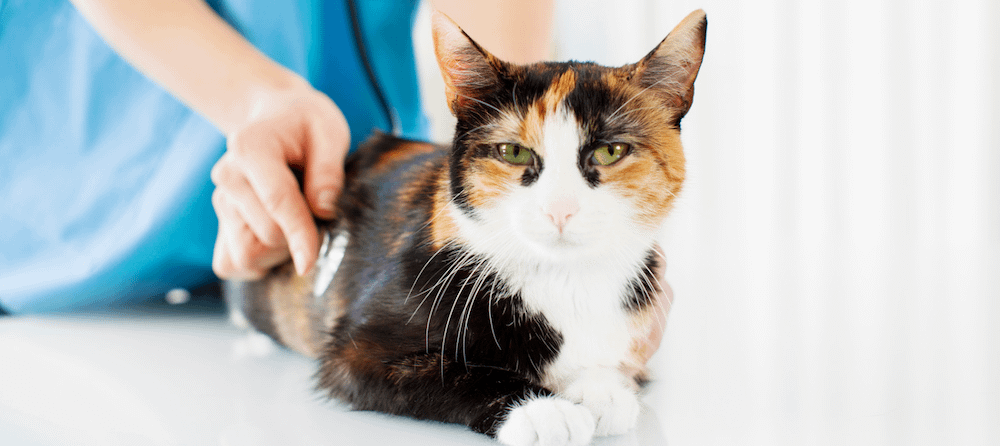
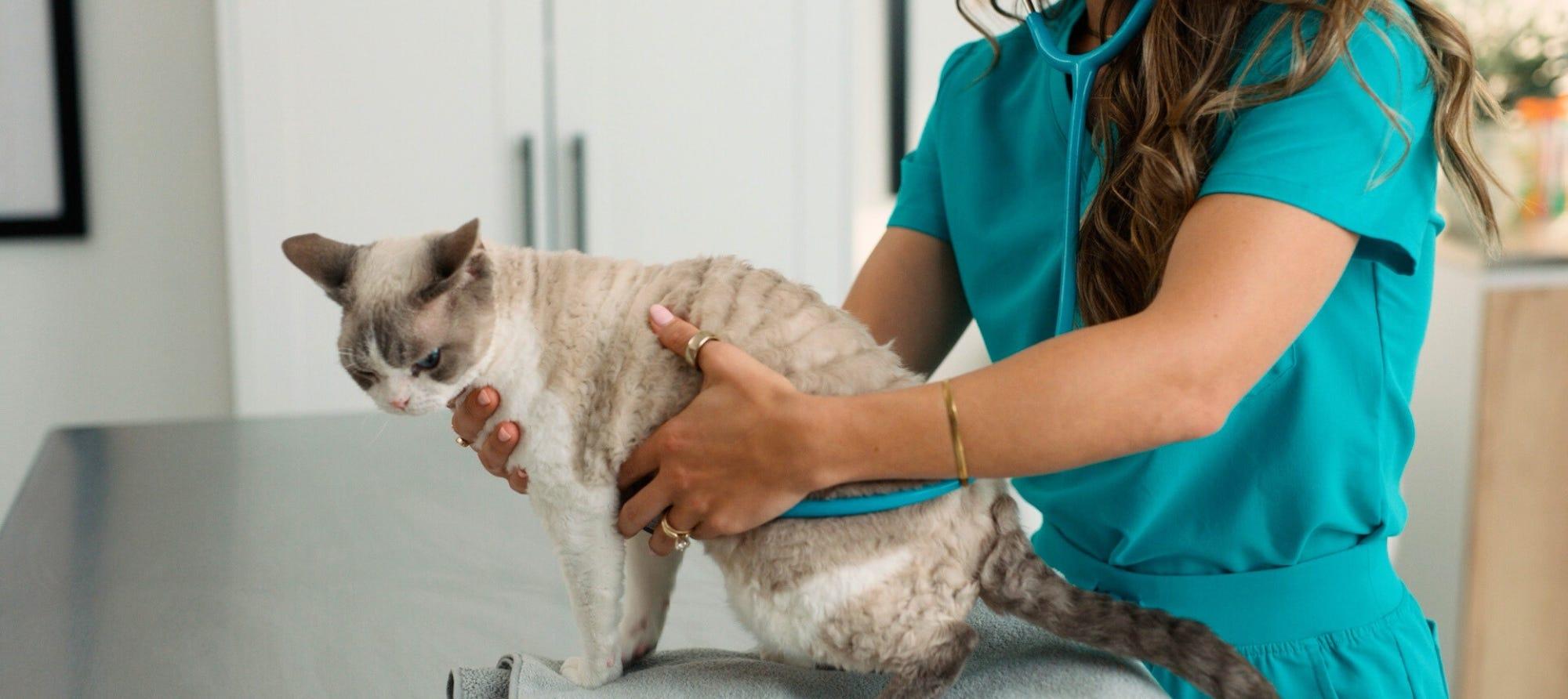
Routine vet care is one of the most important categories in your cat-care budget. But how much does a vet visit cost?
There's no single answer. Estimates vary depending on location and what's included in the appointment.
Cats Protection puts an annual vet check at around £50 to £80, with annual vaccinations at around £70 to £90, while Battersea uses £60 for an annual vet check in its cost estimate.
Those numbers show why it's important to look at what a ‘vet visit’ actually includes. A basic exam isn't necessarily the same price as an exam that includes vaccines, blood tests, faecal testing, medication, or diagnostic imaging.
Plan for expenses such as:
- Annual or twice-yearly wellness exams
- Recommended vaccines
- Parasite testing or prevention
- Dental care
- Blood tests or other diagnostics as your cat ages
- Medications when needed
- Additional monitoring for senior cats
Preventive care may feel like another expense, but finding health problems earlier can make them easier to manage and potentially prevent more serious complications.
How much is an emergency vet visit?
Emergency vet care is where even a carefully planned budget can get stretched.
An emergency exam alone can cost substantially more than a routine appointment. Add diagnostic testing, hospitalisation, medication, or surgery, and the bill can quickly reach thousands of pounds.
For example, Cats Protection notes that an out-of-hours or emergency consultation can cost upwards of £150, and that X-rays, blood tests and ultrasounds can sometimes run to several thousand pounds. These are examples rather than universal prices, but they demonstrate why an emergency plan matters.
How much should you budget for emergencies?
There's no magic emergency-fund number that works for every household. A reasonable goal is to build enough savings to cover a significant unexpected vet bill without putting it on a high-interest credit card.
If you can't comfortably save a large cash reserve, pet insurance can provide another layer of protection. The important part is having a plan before an emergency happens.
How much is pet insurance for a cat?
The pet insurance cost for a cat varies based on several factors, including age, breed, postcode, excess, any co-payment, policy limits, and type of cover. Dr Laria Herod recommends that every pet parent should invest in pet insurance for their new feline family members as soon as they get them.
Cats Protection estimates that cat insurance costs around £25 to £50 a month, depending on your cat's age, breed and health and your postcode. Battersea uses an average of £24 a month in its own cost estimate.
Your actual quote could be higher or lower. Older cats, certain locations, and more comprehensive cover can increase premiums.
When comparing policies, don't look at the monthly premium alone. Check:
- Type of policy (lifetime, maximum benefit, time-limited, or accident-only)
- Excess
- Any co-payment, which some policies add for older cats
- Annual or per-condition limit
- Whether hereditary or congenital conditions are covered
- Waiting periods
- Exclusions and pre-existing-condition rules
Pet insurance costs by cat age
Age can have a significant effect on insurance premiums. Younger cats generally cost less to insure than older cats, and cover may become more expensive as your cat ages.
That's one reason why it's worth researching insurance early rather than waiting until your cat develops a medical condition. Most pet insurance policies don't cover pre-existing conditions.
Pet insurance vs. an emergency fund: which fits your budget?
There's no universal winner between pet insurance and an emergency fund.
Insurance can make a large, unexpected vet bill more manageable by covering eligible expenses after you pay the excess and meet other policy requirements. An emergency fund gives you immediate cash and doesn't come with insurance exclusions or claim rules.
Some cat parents choose to do both: maintain insurance while also keeping a smaller cash reserve for excesses, uncovered expenses, or routine care. The right choice depends on your finances and how comfortable you are taking on the risk of a major unexpected bill. Many vet practices also offer preventive care plans too; so it’s important to thoroughly research what your plan, insurance or preventive care, includes to avoid costly, frustrating interactions when you’d prefer to be focusing on caring for your kitty.
The hidden costs of cat ownership people forget
Food, litter, and vet care are the obvious expenses. But several smaller costs can add up. Don't forget to budget for:
- A carrier
- Scratching posts and replacement scratchers
- Litter mats and other litter accessories
- A cattery or pet sitting when you travel
- Special or prescription diets
- Dental cleanings
- Medications
- Additional vet testing
- Replacement beds, toys, and bowls
- Senior-cat care
You don't necessarily need to buy everything at once. Some items can be purchased as needed, especially if you're starting with a healthy adult cat. Also reminding yourself that not all products are made to last forever; so it is reasonable to plan to need to update or update bedding, posts, toys, etc over time.

How to budget smarter without cutting corners on care
A good budget isn't about choosing the cheapest option every time. It's about spending intentionally and preparing for predictable expenses.
Start by buying your essential supplies before your cat comes home. Then estimate your monthly food and litter costs and create a separate sinking fund for veterinary care.
A few other strategies can help:
- Ask your vet about the preventive care your cat actually needs based on their age and lifestyle.
- Price routine vet services before you need them.
- Compare pet insurance policies based on total cover, not just premiums.
- Set aside a small amount each month for unexpected expenses.
- Replace supplies when they're worn out rather than automatically upgrading them.
- Look for ways to reduce recurring waste in categories such as food and litter.
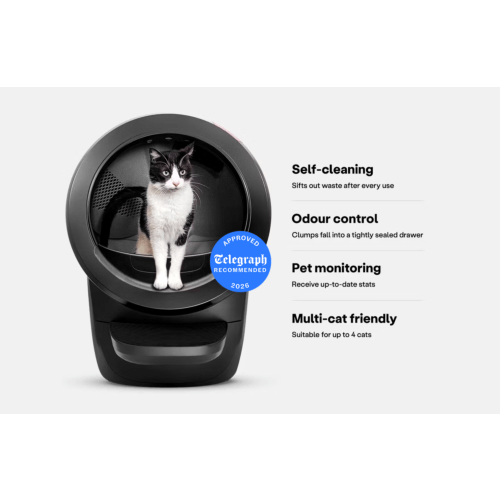
Convenience products, like a self-cleaning litter box or automatic cat feeder, can also be worth considering when they genuinely reduce waste or ongoing work.
Where convenience products can help your long-term budget
An expensive product isn't necessarily a bad budget decision if it solves a recurring problem.
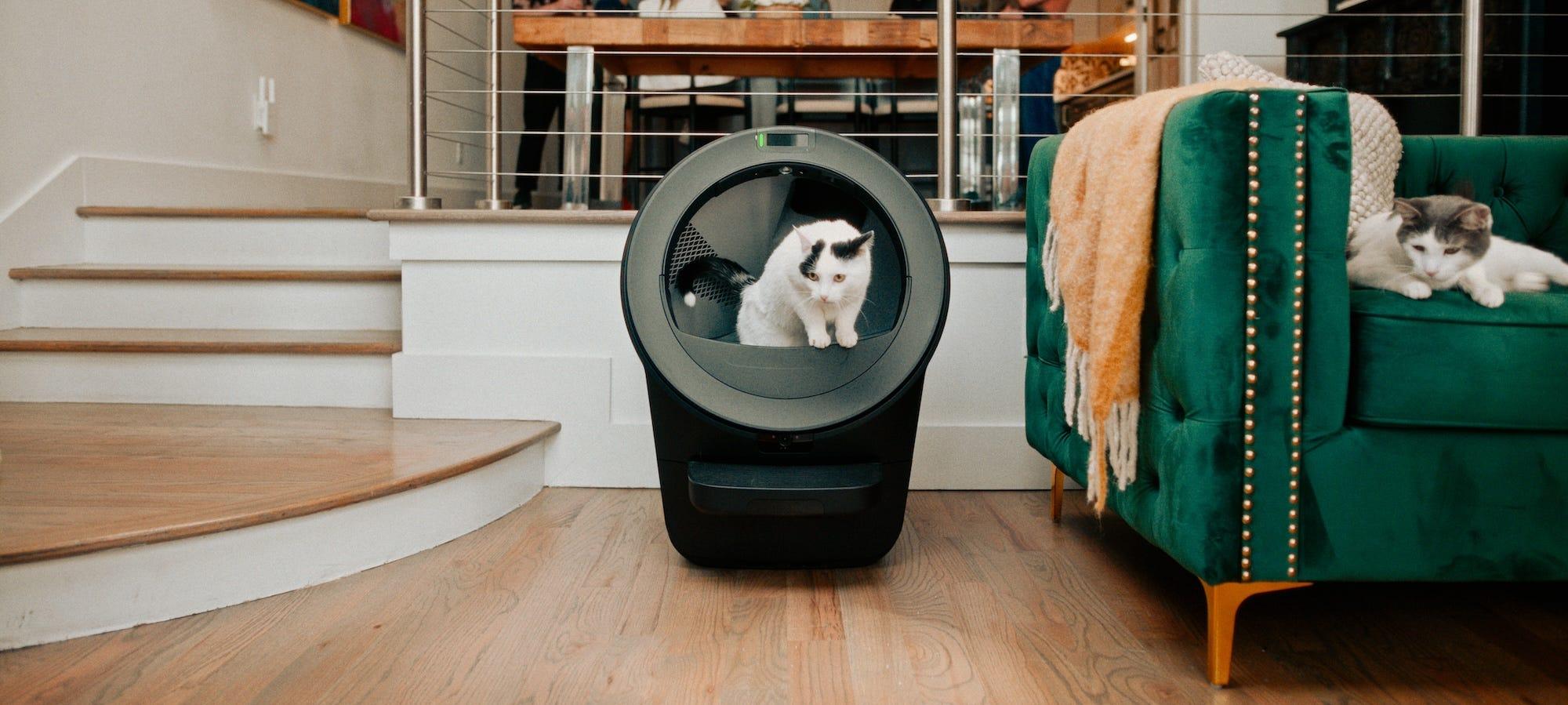
For example, a self-cleaning litter box has a higher upfront cost than a traditional litter tray. But for some households, the convenience, reduced scooping, and more consistent litter maintenance may make the investment worthwhile over time.
The same principle applies to other pet products: consider upfront price, expected lifespan, recurring costs, and the amount of work the product saves.
Sources: