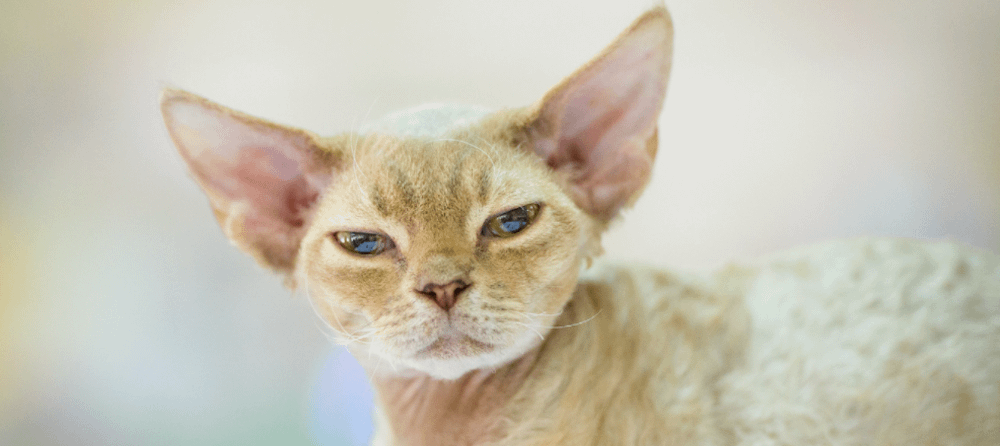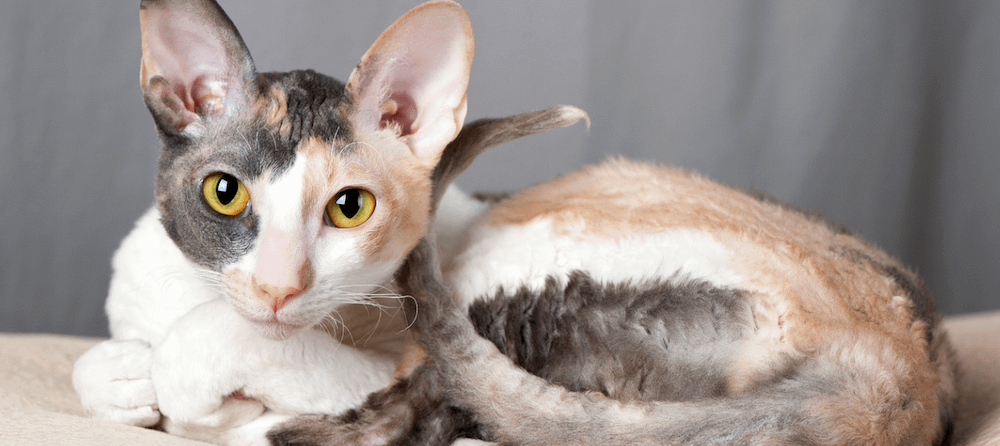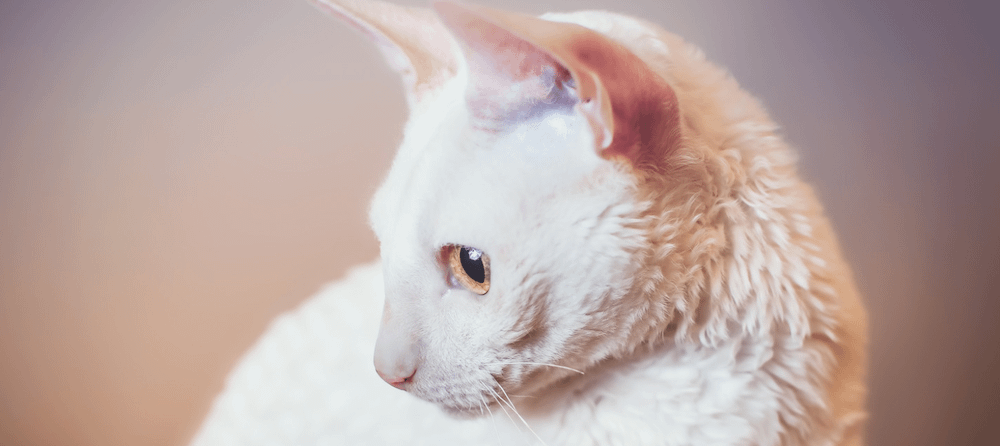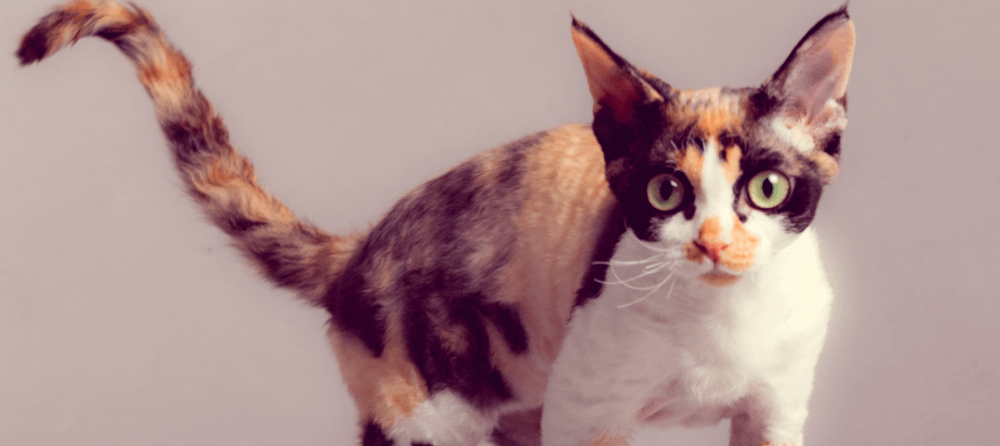
The Cornish Rex cat is striking to behold, largely due to their crimped hairstyle (right out of a 90s magazine). This cat is a delightful companion to share your life with. Known for their curly coats, large elvish ears, and wide, alert eyes, Cornish Rex cats might as well belong in a fairy tale.
Aside from their looks, the Cornish Rex is a playful and loving cat that appreciates a nice cuddle. Their coats help them stand out, but not necessarily in colouring. This is because the Cornish Rex comes in all variations of colours and patterns. Some might argue that this very aspect of their coat makes them unique: every Cornish Rex you see will look different from the next.
Keep reading to learn more about the variety of coat colours the Cornish Rex cat can have.

History of the Cornish Rex cat
The Cornish Rex cat originated in Cornwall, England, in the 1950s from a unique genetic mutation that caused one orange and white kitten named Kallibunker to be born with curly fur. Kallibunker also had a longer and more lithe body compared to his littermates.
Nina Ennismore looked over the litter of barn kittens and immediately noticed Kallibunker and his remarkable coat. Nina contacted a geneticist who advised her to breed Kallibunker back to his mother. Two curly-haired cats were born; from there, these cats were selectively bred to produce the curly-haired gene more consistently until it became the staple of this new breed.
Cornish Rex cats were different from other breeds because of their curly hair, long, lean bodies, and large facial features. Now, these cats are very popular and intriguing pets, beloved by many.
What does a Cornish Rex cat look like?
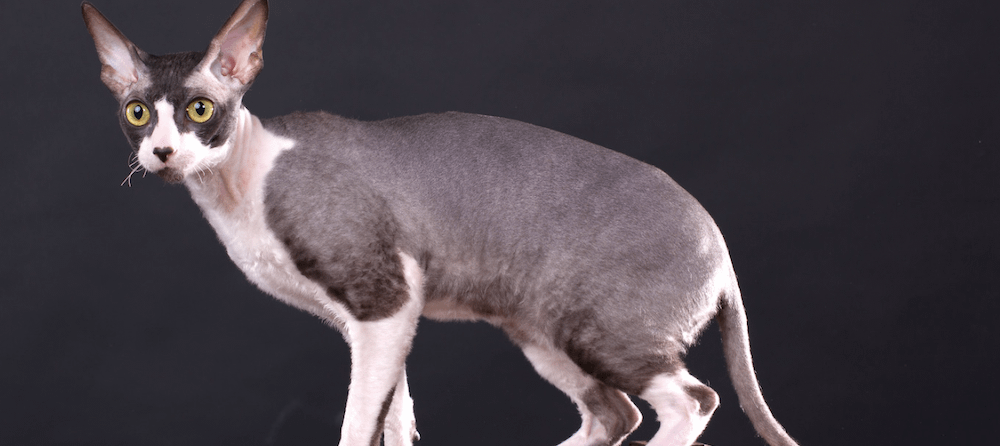
The Cornish Rex is a small-sized cat that doesn’t usually grow heavier than 4.5 kg (2.7 to 3.6 kg being more likely). They resemble alien-like creatures with curly coats, large eyes, large pointed ears, and a very slender body.
A Cornish Rex has these base features to help distinguish them from other cat breeds, but their colouring can come in various styles, making every Cornish Rex cat one of a kind. In just one litter, you’ll have no idea what to expect.
What colours do Cornish Rex cats come in?
The answer to this question is simple: every colour combination out there! Cornish Rexes come in a wide variety of colours and patterns. Some classifications that a Cornish Rex might fit into are solid, bicolour, calico, tabby, smoke, pointed, and tortoiseshell.
No matter what your Cornish Rex looks like, they will always maintain their unique appearance. Their large eyes, large ears, and curly coat aren’t going anywhere.

Solid colours
A solid-coloured Cornish Rex is a beautiful creature. The most common solid colours you might find are the following:
- White: These Cornish Rex cats will be pure white, with nose leather and pinkish paws. Their eyes will stand out as a bright blue or brilliant golden colour, with some cats being odd-eyed. An ‘odd-eyed cat’ has two different eye colours. Odd-eyed white Cornish Rex cats will often have one bright blue eye and one golden eye.
- Black: An all-black Cornish Rex will have no hints of other colours in their fur, and their nose leather and paws will be black. Some all-black Cornish Rex cats will have brown paw pads, but all will have golden eyes.
- Blue: These cats appear to be a bluish-grey colour and can be lighter- or darker-toned. Their nose leather and paw pads will be the same bluish colour, and they will have golden eyes.
- Red: Red Cornish Rex cats are a deep, rich red colour with pink lips and chins. Their nose leather and paw pads will be a rich red colour, and they will have golden eyes.
- Cream: Cream-coloured Cornish Rexes are as described: cream-coloured. They have pink nose leather and paw pads and golden-coloured eyes.
- Chocolate: These Cornish Rex cats are a warm brown colour and have brown nose leather. They have cinnamon-pink paw pads and golden eyes.
- Lavender: These cats are a beautiful lavender-pink colouring with the same colour nose leather and paw pads. Their eyes will be golden.

Tabby
The tabby pattern is one of the most common patterns found on a Cornish Rex. The tabby markings will be clearly defined with darker rings around their base colouring. This pattern is recognised by the distinct ‘M’ on their foreheads. The tabby pattern runs from the top of their head to the tip of their tail.
Some versions of tabby colouring are the following:
- Classic tabby
- Mackerel tabby
- Spotted tabby
- Ticked tabby
- Silver tabby
- Red tabby
- Brown tabby
- Blue tabby
- Lavender tabby
Usually, a tabby Cornish Rex will have beautiful golden eyes.

Calico
Calico Cornish Rex cats have two defined patches of colours, usually black and red (orange), against a white base colour. They will be anywhere between 25-75% white, with their underbellies and legs usually pure white. Their patches might also come in chocolate, lavender, and smokey colours.
Interestingly, calico cats are predominantly female, meaning that if you were to come across a male calico, it’d be quite a rare occurrence.

Bicolour
These Cornish Rexes are famous for their distinct coats. Bicolour Cornish Rexes are instantly recognisable, with two solid colours making up their coat.
Bicolour cats will likely have white underbellies, legs, and chests, with a different colour on top of their backs, heads, and tails. Bicolour cats will either have gold, blue, or odd-coloured eyes.
Tortoiseshell
A tortoiseshell Cornish Rex is somewhat uncommon. Much like the calico cat, tortoiseshell Cornish Rexes will be predominantly female. This pattern can be described as a black base coat with patches of red (orange) throughout the body. Several shades of red might be present in the coat, giving it quite a bit of dimension.
There might be a few tortoiseshell shades, though black and red are most common. You could also see chocolate, blue-cream, and lavender-cream combinations. This patterning is gorgeous and only adds to their allure. On top of these adorable combinations, all tortoiseshell Cornish Rexes will have brilliant golden eyes.
Pointed
The pointed pattern is when the points of a cat (the face, ears, paws, and tail) are much darker than the body colour. Pointed Cornish Rexes are predominantly seal point—a cream-coloured body with dark brown, almost black, point colouring.
There is a long list of potential colour variations for a pointed Cornish Rex. They could be combined with a solid colour, such as chocolate, blue, lavender, red, or cream. Pointed Cornish Rexes could also have tortoiseshell patterning in their points, otherwise known as tortie point. These include all the colour combinations as well.
Caring for a Cornish Rex
All of these Cornish Rex coat colours have one thing in common: They are soft, curly, and oh-so-cute. Luckily, grooming requirements for this breed are relatively simple. Their short coat doesn’t shed much; light brushing and occasional baths should do the trick. However, since their coat is so short, they might need a little help staying warm in the winter months.
Your Cornish Rex is going to be playful and fun, so make sure you have plenty of toys around the house for them to interact with. Cat trees and scratching posts are a must—they keep your cat and your furniture happy.
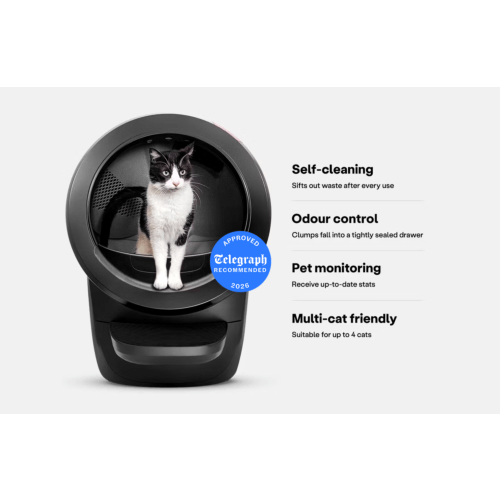
Another way to keep your kitty happy? Provide a self-cleaning litter box like Litter-Robot so they always have a clean place to go to the bathroom. (And you’ll never have to scoop again!)
So, have you inspected your Cornish Rex’s coat yet? Take your best guess at what your furry friend would be classified as and brag to your friends!
Sources: