Accessibility Statement

Cat Facts

  1. brown and white bicolor tabby cat

    Quelles couleurs voient les chats ?

    Les chats sont-ils daltoniens ? Voient-ils la nuit ? Découvrez quelles couleurs les chats perçoivent le mieux et...
    Read More
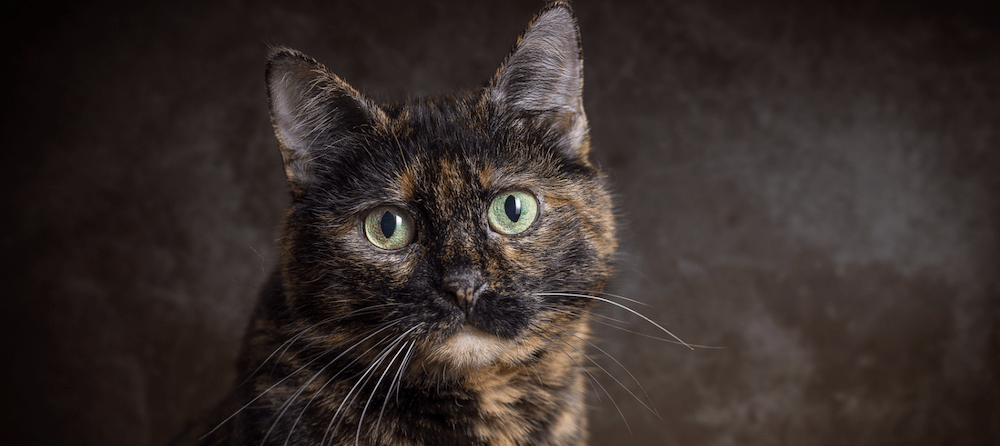
  2. tortie cat face

    Chat écaille de tortue : races, personnalité & espérance de vie

    Les chats tortie, uniques et porte-bonheur, forment une tribu de félins affectueux majoritairement femelles. Découvrez-en...
    Read More
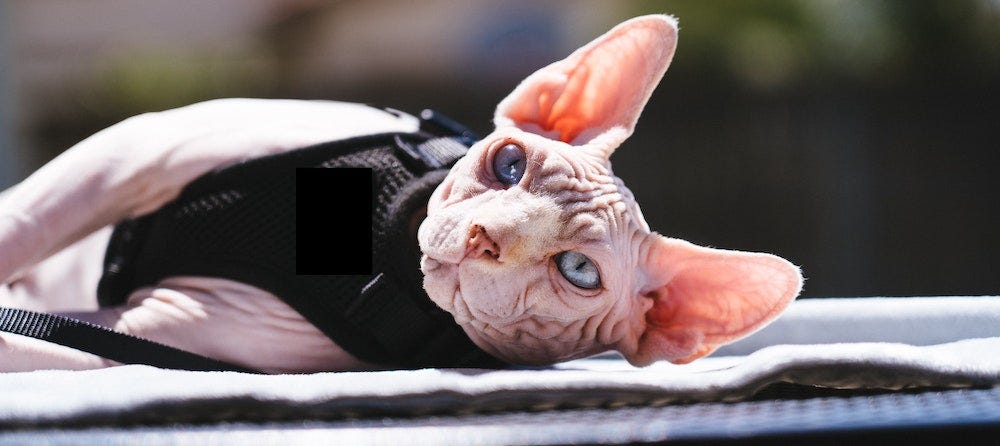
  3. Sphynx cat

    Chat Sphynx : profil de race

    Le Sphynx est une race de chat sans poils unique en son genre, fidèle et attentive. Découvrez tout sur son énergie...
    Read More
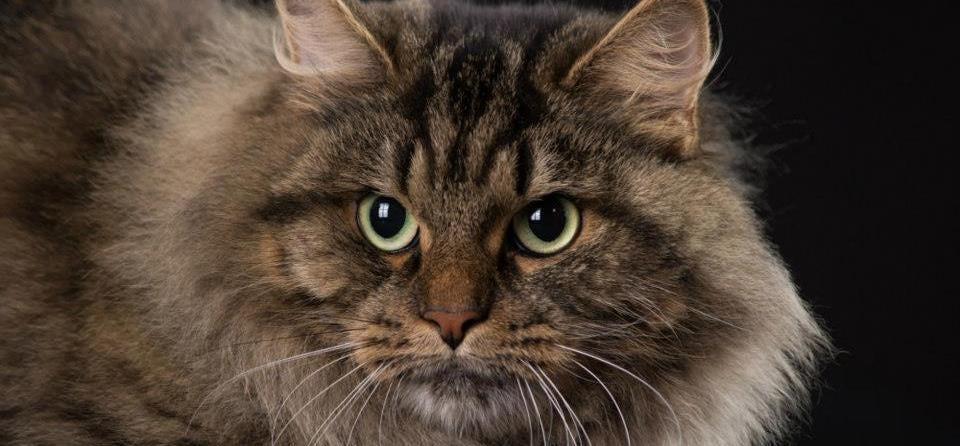
  4. brown tabby Siberian cat

    Chat Sibérien : profil de race

    Découvrez comment ce chat puissant, originaire des forêts de Sibérie, est devenu un formidable compagnon familial...
    Read More
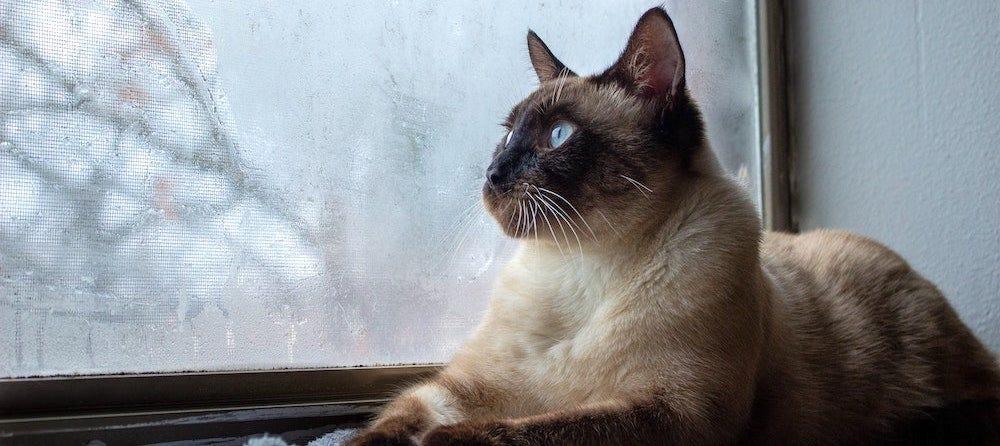
  5. Siamese cat looking out window

    Chat siamois – Profil de la race

    Le charme de cette race ancienne opère toujours. Découvrez le chat siamois, un compagnon familial à l’allure saisissante...
    Read More
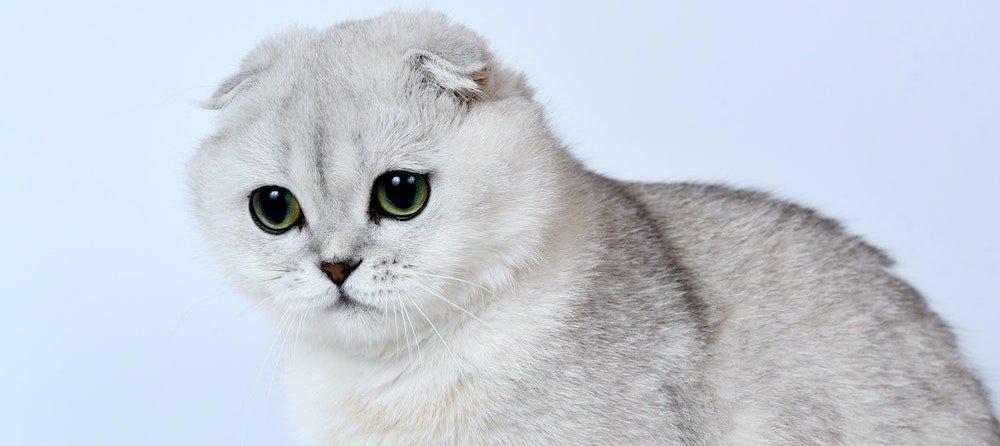
  6. white Scottish Fold cat with small ears

    Chat Scottish Fold – Caractéristiques & personnalité

    Le Scottish Fold est une race écossaise fidèle et affectueuse, aux oreilles repliées emblématiques et aux grands...
    Read More
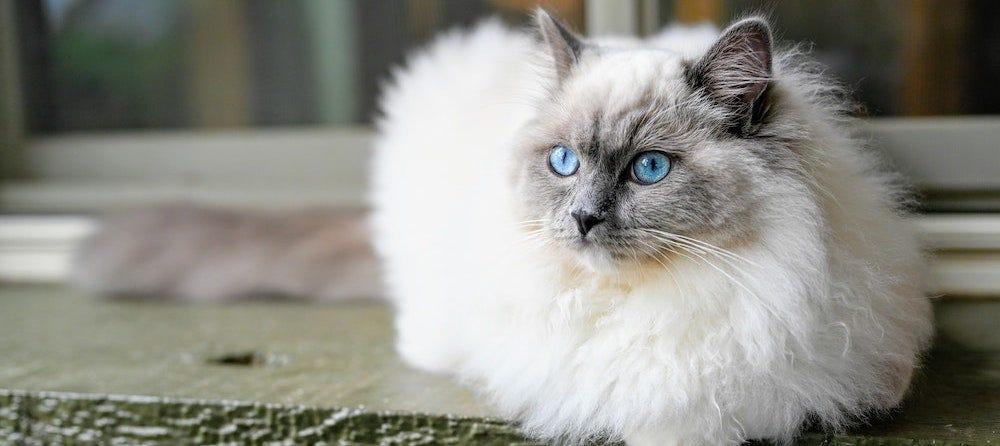
  7. white lilac point Ragdoll cat with blue eyes loafing outside

    Chat Ragdoll : taille, personnalité & guide complet

    Le Ragdoll est un grand chat affectueux et calme, apparu dans les années 1960. Découvrez-en plus sur ce félin unique...
    Read More
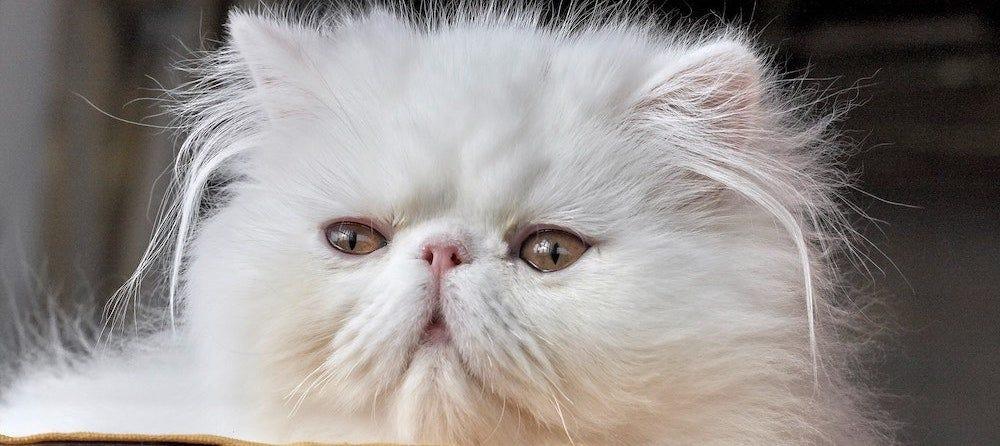
  8. white Persian cat

    Chat Persan : profil de race

    Le chat persan est un chat doux et calme, à la longue histoire. Si vous aimez toiletter votre chat et paresser à...
    Read More
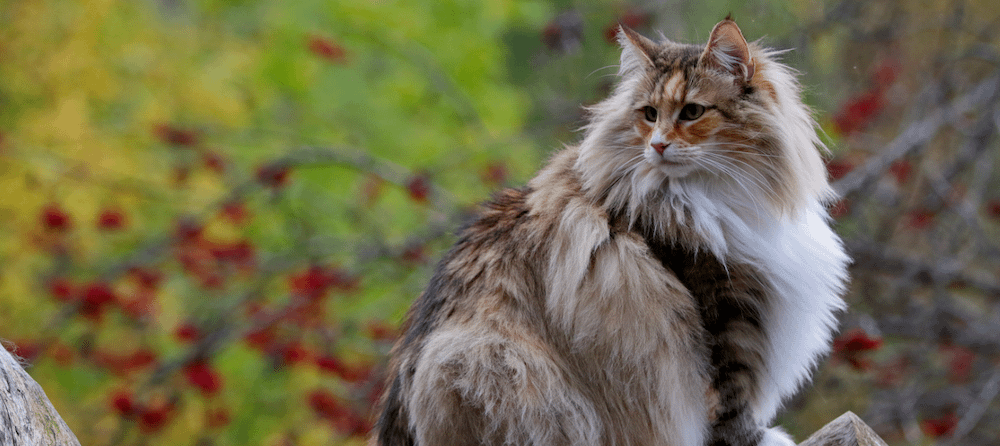
  9. Brown tabby Norwegian Forest cat

    À la découverte du chat des forêts norvégiennes

    Doté d'une solide ossature, calme et affectueux, le chat des forêts norvégiennes vous épatera par son intelligence...
    Read More
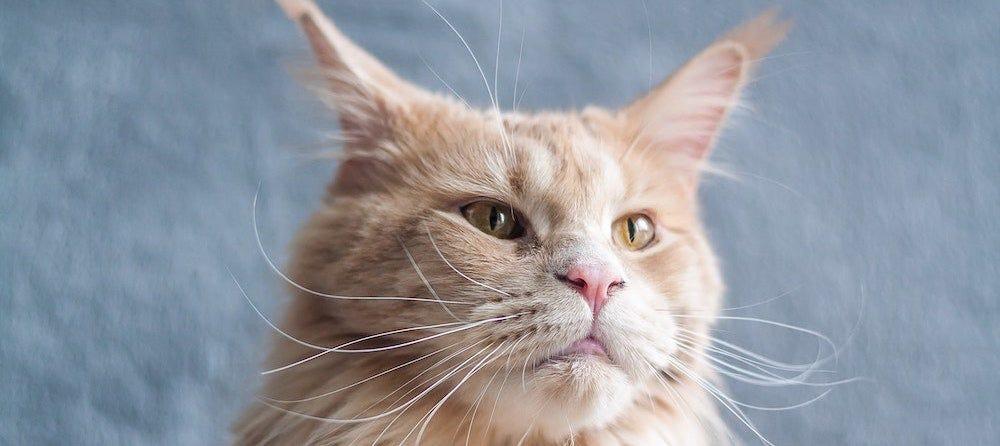
  10. cream Maine Coon cat

    À la découverte du Maine Coon

    Le Maine Coon est l'une des plus grandes races de chats domestiques originaires d'Amérique du Nord. Découvrez-en...
    Read More
  11. sable Burmese cat with yellow eyes

    Chat Burmese – Profil de la race

    Le chat Burmese, race ancienne autrefois vénérée, est très intelligent mais réclame votre dévouement. Découvrez dès...
    Read More
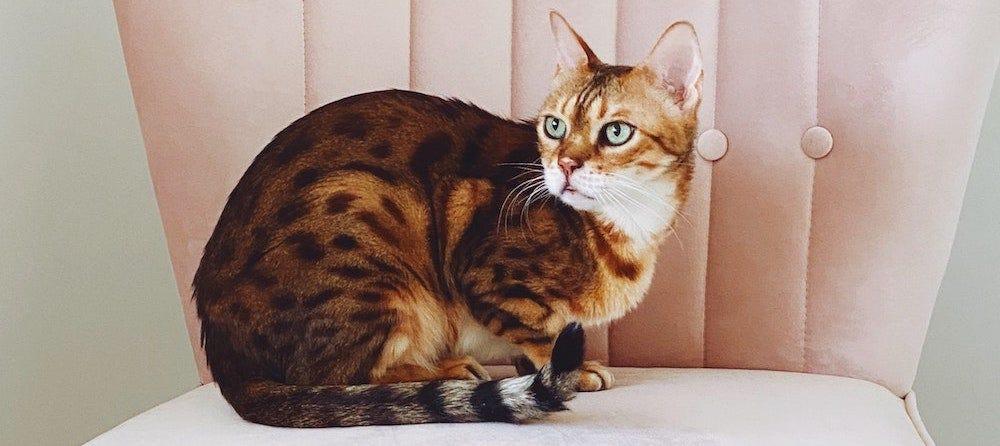
  12. Bengal cat sitting on pink chair

    Profil de race : le chat Bengal

    Le chat Bengal est une race à l'allure exotique, active, sociable et affectueuse avec ses humains. Découvrez comment...
    Read More
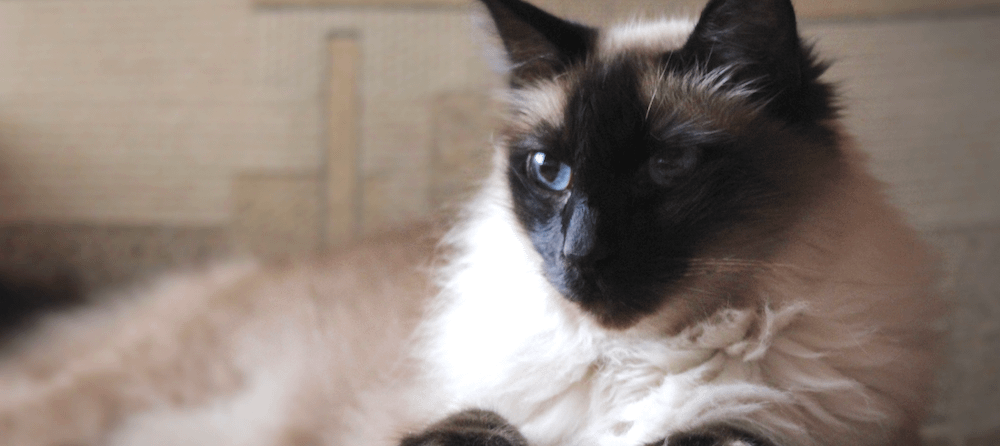
  13. Balinese cat

    Balinese Cat Breed Profile

    Le chat balinais est une race affectueuse et sociable qui ressemble beaucoup au Siamois. Découvrez-en plus sur ce...
    Read More
Posts loader

Fun cat facts and feline tidbits 

Cats are endlessly fascinating, and we have the content to prove it! Read 100+ articles on the Litter-Robot blog that include fun facts about cats. You’ll find cat facts related to coat pattern, breed, unique abilities, and more!

Did you know? Cats instinctively know how to use the litter box. To avoid being eaten or attacked by predators, ancestral wild cats had to cover up their tracks and hide their waste to mask their scent. They gravitated toward soft dirt or sand, since the granular consistency made it easier to bury their waste. 

What other interesting facts about cats didn’t you know? Cats meow for humans, not other cats. A group of cats is called a clowder or a glaring, while a group of kittens is a kindle. 30%-50% of cats lack the gene that makes them react to catnip. Research suggests that a cat’s purr has the power to self-heal. People with cat allergies aren't allergic to fur, but rather a protein found in a cat’s saliva, urine, and dander called Fel d 1. Cats seek out boxes that offer cover for their predatory hunting instincts, as well as to hide to avoid becoming prey—an instinct passed down by their wild ancestors. Contrary to popular belief, cats don’t see in black and white—but research suggests that they are red-green colorblind. A 1-year-old kitten is developmentally equivalent to a 15-year-old human. (Most) cats are lactose intolerant. Cats’ whiskers help with directional orientation and spatial awareness.

Shall we keep going? The “tabby” cat isn’t a breed—it’s a pattern. Your cat has a third eyelid that functions as a shield for their cornea. Cats are imitating snakes when they hiss. Your house cat likely isn’t nocturnal, but instead crepuscular, or most active around dusk and dawn. How long a cat lives largely depends on whether they’re indoor-only or an outdoor cat. Cats almost always land on their feet due to their impressive “righting” reflex. Cat pee smells so bad because it’s so concentrated—felines originated in the desert and evolved to absorb a large amount of water from their urine to maintain their hydration. Cats are more likely to knead if they were separated from their mothers as young kittens. And finally, cats aren’t just jerks: They knock things over to test for hidden prey.