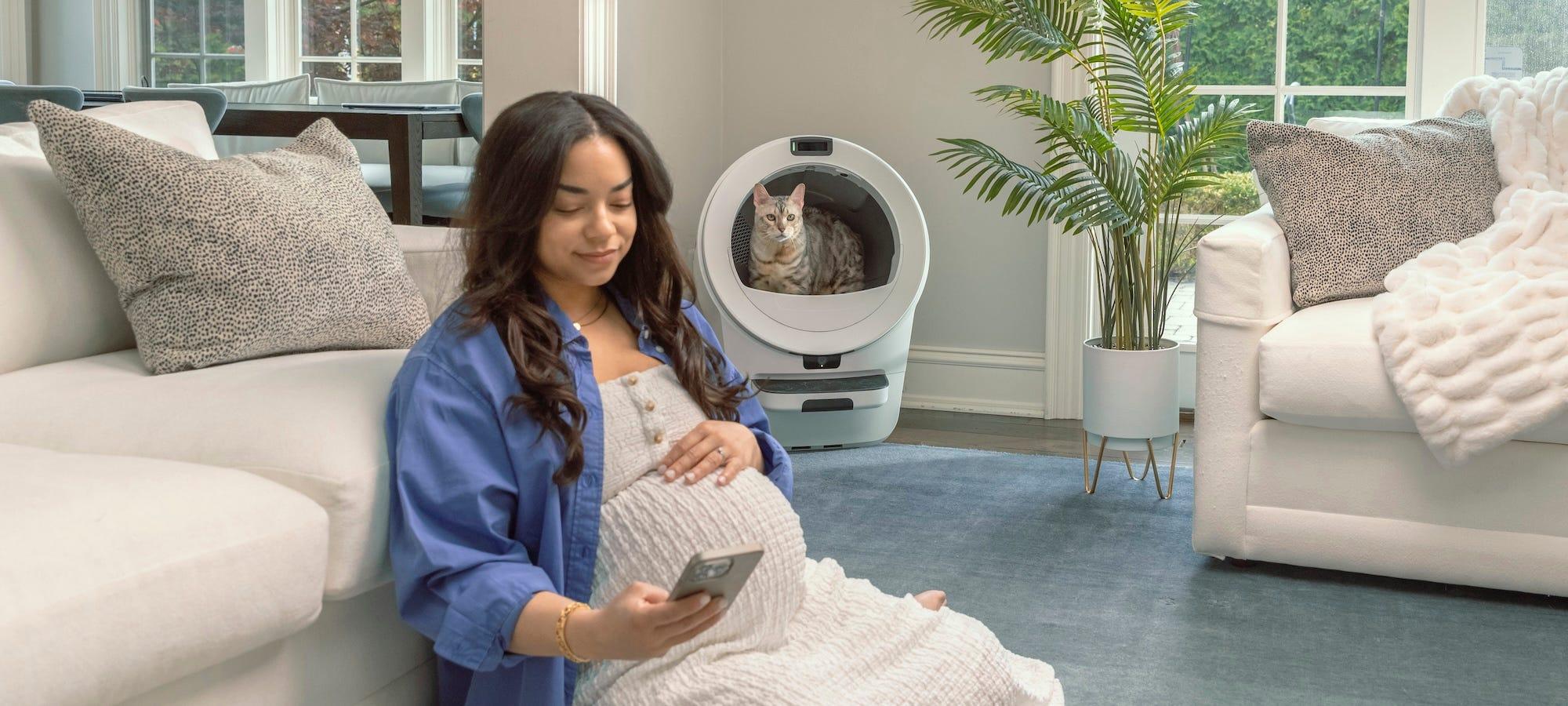


In most cases, no, living with a cat during pregnancy is generally safe. The main concern isn’t the cat itself, but a parasite called Toxoplasmosis, which can sometimes be spread through infected cat feces.
In this article, we’ll break down the real risks, how cats can get toxoplasmosis, whether indoor cats are safer, and what you can do to protect yourself without rehoming your pet.
Are indoor cats bad for pregnancy?
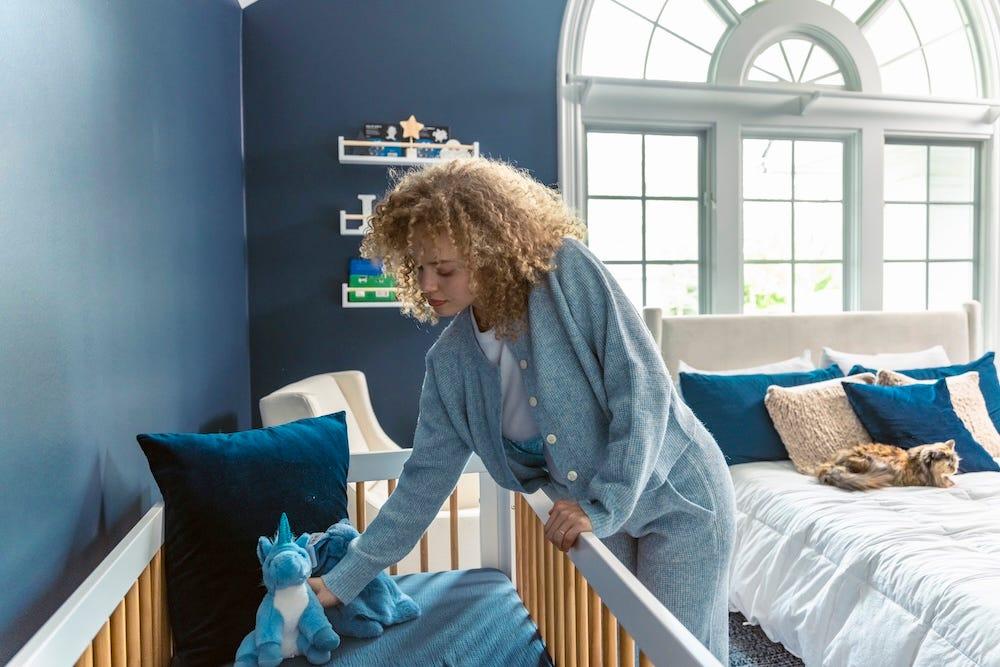
No, indoor cats are not usually bad for pregnancy.
The primary concern when it comes to cats and pregnancy is toxoplasmosis. This infection can be harmful during pregnancy if a person is exposed for the first time. However, indoor-only cats are generally considered low risk, especially if they don’t hunt prey or eat raw meat.
Toxoplasmosis spreads through microscopic parasites found in infected feces. But here’s the key point: cats only shed the parasite for a short period after first becoming infected, and not all cats carry it.
If your cat has always lived indoors and eats commercial cat food, the chances of exposure are already quite low. That’s why most experts agree, you do NOT need to rehome your cat if you’re pregnant. Instead, a few simple precautions go a long way.
How do cats get toxoplasmosis?
Cats typically get toxoplasmosis by hunting infected animals, going outdoors, or eating raw or undercooked meat.
Common sources of infection include:
- Hunting rodents or birds
- Spending time outdoors in contaminated soil
- Eating raw meat or unprocessed diets
Indoor cats that don’t engage in these behaviors are far less likely to contract the parasite in the first place.
Do all cats have toxoplasmosis?
No, not all cats have toxoplasmosis.
In fact, many cats never become infected at all. Even among cats that do, they usually only shed the parasite for a short window of time (often just a couple of weeks) after initial exposure.
Toxoplasmosis symptoms in cats
Most cats show no obvious symptoms. When symptoms do appear, they can include:
- Lethargy
- Loss of appetite
- Fever
- Respiratory issues
Because symptoms are often subtle or absent altogether, prevention and hygiene matter more than trying to “spot” the infection.
Are indoor cats safer than outdoor cats during pregnancy?
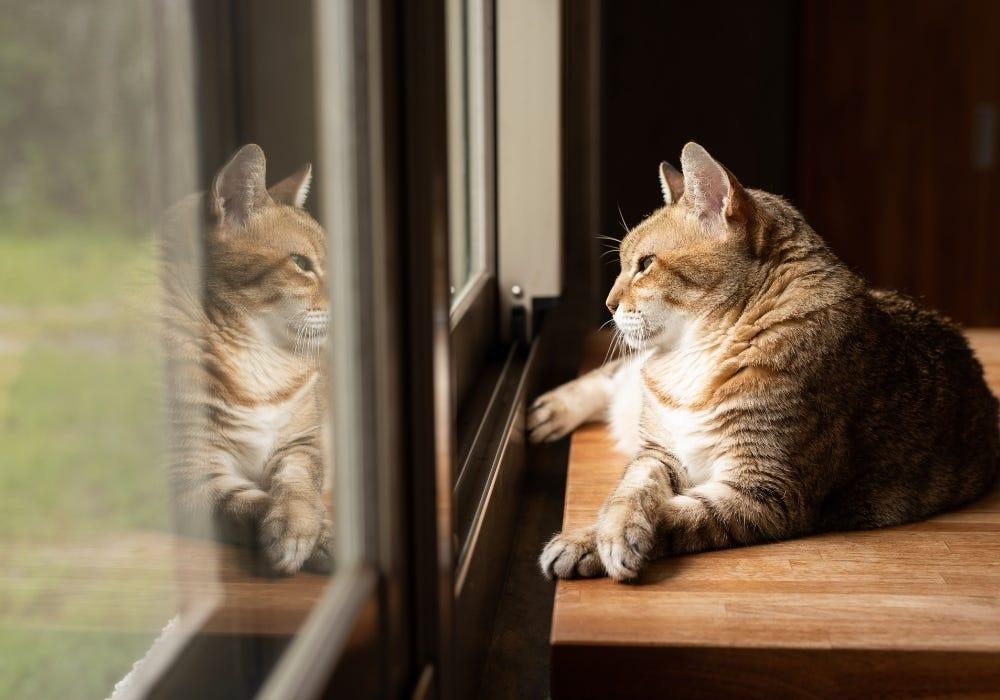
Yes, indoor-only cats are generally safer than outdoor cats during pregnancy.
Cats that roam outside are more likely to encounter infected prey or contaminated soil, increasing their risk of picking up toxoplasmosis. Indoor cats, on the other hand, typically have controlled diets and environments.
That said, past history still matters. If you’ve adopted a cat that used to live outdoors, there’s a small chance they were exposed previously. Even so, the risk remains low, especially if they’ve been indoors and healthy for a while.
Does an adopted indoor cat still count as low risk?
Usually, yes. Once a cat has passed the short window where it could shed the parasite, it no longer poses the same risk. Keeping them indoors going forward significantly reduces any future exposure.
Can pregnant women be around cats?
Yes, pregnant women can usually be around cats.
Petting, cuddling, and sharing your home with a cat are not the main concerns. The real risk comes from handling contaminated litter, soil, or anything that may carry infected feces, not from your cat’s fur or presence.
What you can do
You can safely:
- Pet and cuddle your cat
- Let your cat sleep nearby (if that’s your routine)
- Continue normal bonding and interaction
What you can’t do
Focus on avoiding:
- Direct contact with litter box waste
- Poor hand hygiene after handling litter, soil, or raw meat
- Bites or scratches that could introduce bacteria
What to do if you’re pregnant and have a cat
The goal isn’t to avoid your cat, but rather to manage risk smartly. Here’s a simple, practical checklist:
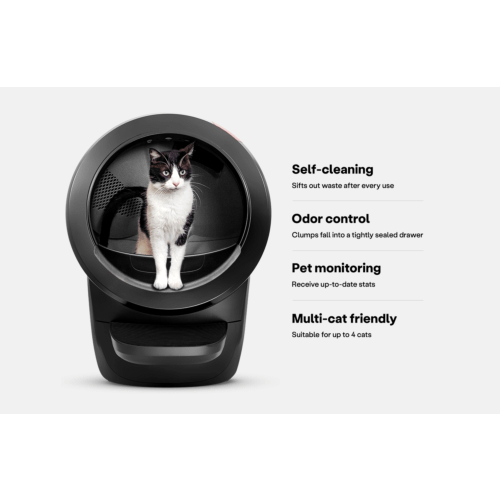
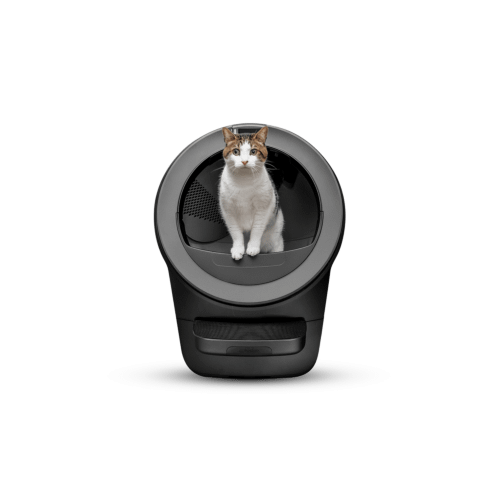
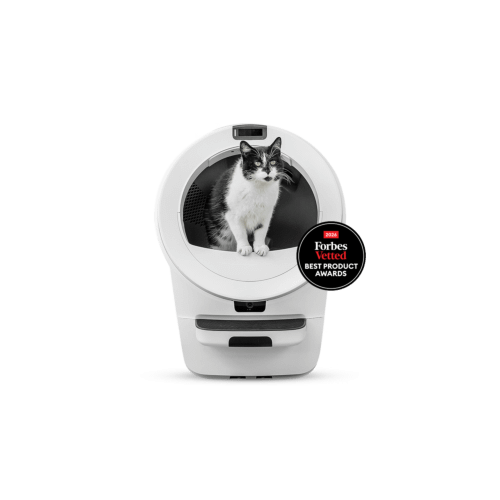
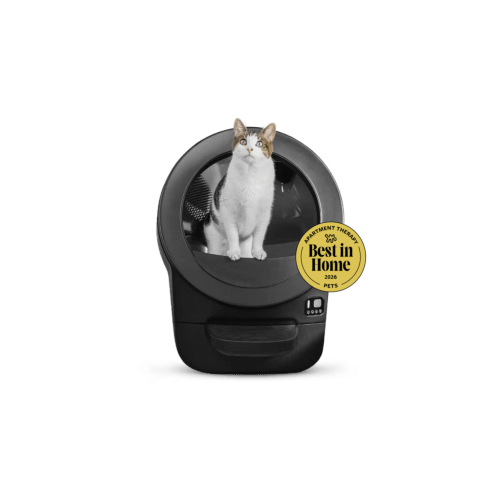
- Have someone else scoop the litter box daily (the parasite needs 24+ hours to become infectious) or try a self-cleaning litter box
- Wash your hands after handling litter, soil, or raw meat
- Keep your cat indoors
- Avoid feeding raw meat
- Skip adopting stray or outdoor cats during pregnancy
- Be cautious around bites and scratches
- Talk to your OB-GYN if you’re concerned about exposure
These small habits make a big difference in keeping both your and your baby safe.
Preparing your cat for life with a new baby
Pregnancy is also a great time to start preparing your cat for upcoming changes.
Focus on maintaining a stable routine now: feeding times, play sessions, and sleep patterns. Gradually introduce new sounds (like baby noises) and set up any new boundaries, such as rooms that will become off-limits.
Creating a calm, predictable environment helps your cat adjust more easily once the baby arrives and reduces stress for everyone.
So, are indoor cats bad for pregnancy? No, most indoor cats pose very little risk. With a few simple precautions around litter handling and hygiene, you can safely enjoy your cat’s companionship throughout your pregnancy.
Cats and pregnancy can absolutely coexist. It’s less about avoiding your pet and more about understanding the real risks and managing them in a practical, informed way.