

If you’re wondering whether cats can help with ADHD, the honest answer is: they can, but they can also add responsibility. For some people, a cat brings calm, structure, and emotional support. For others, it can feel like one more thing to manage.
That balance can look different depending on whether we’re talking about adults or children with ADHD. Adults may benefit from companionship and routine, while kids often need more support from caregivers to make pet ownership successful. Either way, the goal is the same — finding a setup that supports your life, not overwhelms it.
In this article
Can cats help with ADHD and anxiety?
Yes, cats can help with ADHD and anxiety, but they’re not a replacement for therapy, medication, or professional care.
Research on animal-assisted interventions (AAIs) suggests meaningful benefits, especially for children. In one study, kids with ADHD who participated in structured interactions with animals showed improvements in attention, social skills, and behavior, along with gains in self-esteem and learning outcomes. While results vary, the trend is promising.
Beyond research, real-world experiences tell a more nuanced story. Many people with ADHD report that their cats:
- Provide emotional grounding during anxious or overstimulating moments
- Help reduce feelings of loneliness
- Offer gentle structure to the day
Others note challenges, like forgetting care tasks or feeling overwhelmed by mess and maintenance. In other words, cats can support mental health, but only when the setup fits your capacity.
Cats aren’t just helpful for ADHD, they may also support people dealing with:
- Anxiety
- Depression
- Chronic stress
- Loneliness or isolation
How cats can help with mental health
Calm presence
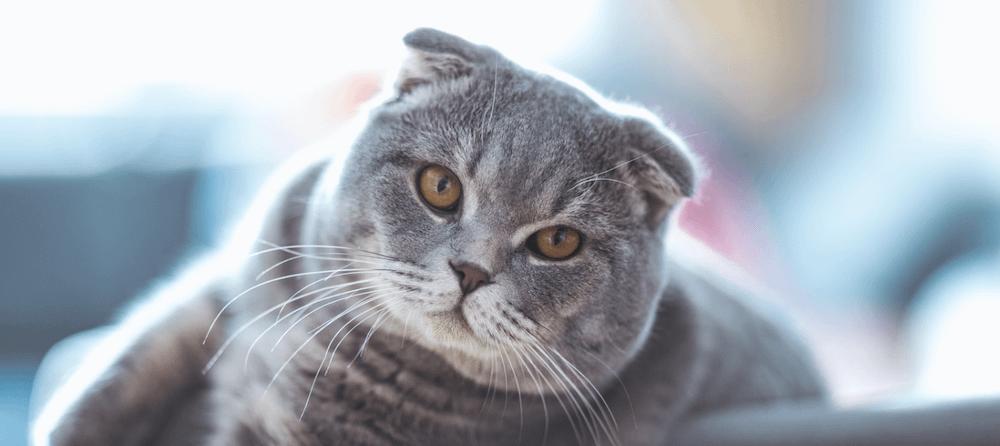
Cats tend to have a quieter, more independent energy than many other pets. That alone can be regulating, especially if you’re easily overstimulated.
Petting
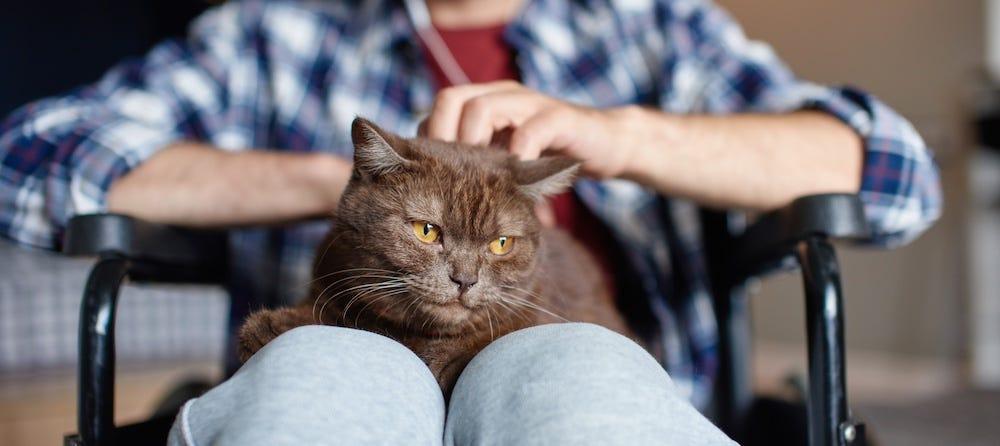
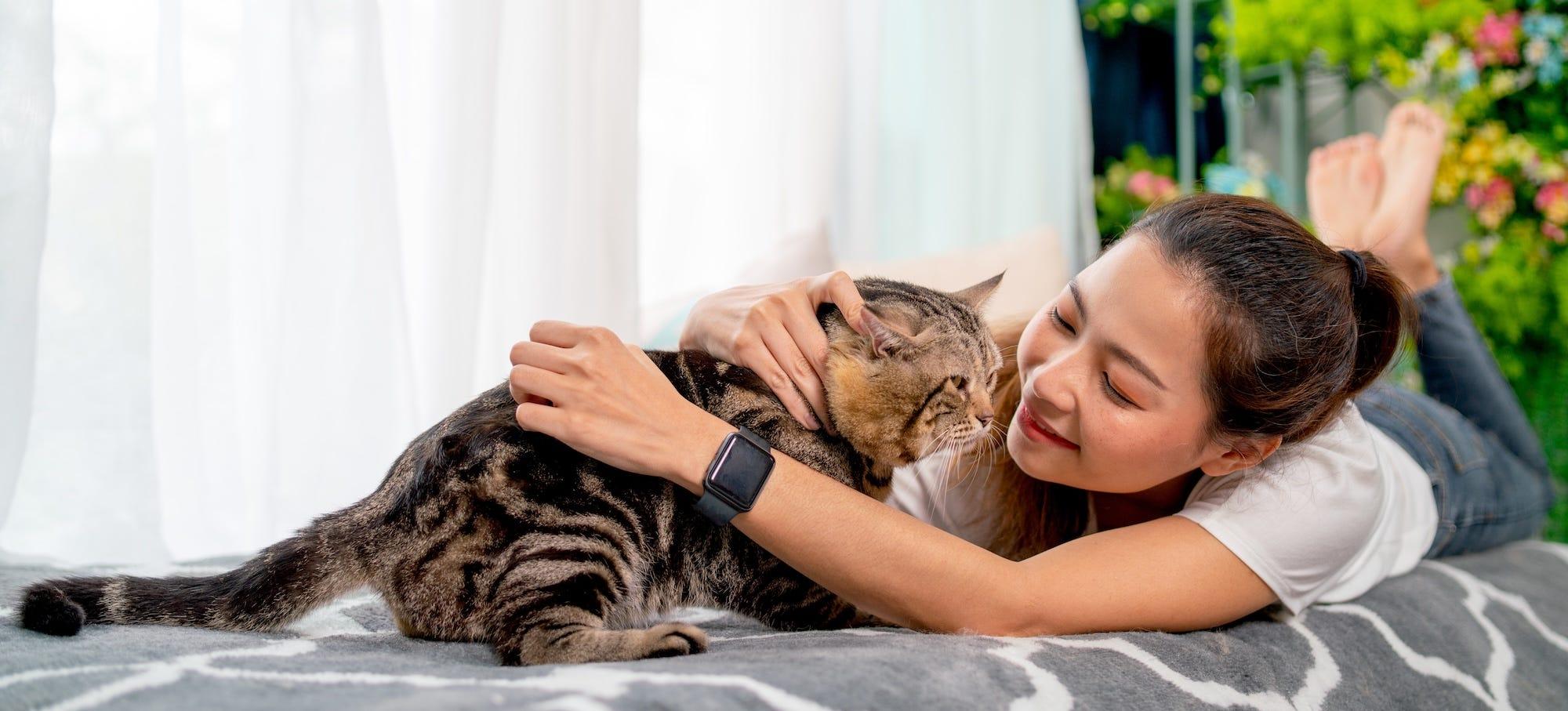
Petting a cat can have measurable calming effects. Studies show it may help lower stress hormones and promote relaxation, which is especially helpful for anxiety and emotional dysregulation.
Routine
Cats naturally create small daily anchors — feeding times, litter box care, play sessions. For someone with ADHD, these can act as gentle external cues without feeling overly demanding.
Companionship
Cats offer consistent, nonjudgmental presence. That can be especially valuable during low-motivation days or periods of isolation.
Focus support
Some people find that having a cat nearby can make it easier to focus on low-stimulation tasks like reading, working, or studying.
Ways a cat can also make ADHD harder
It’s not all upside, and it’s worth being realistic here. Cats can add:
- Another set of recurring tasks to remember (feeding, litter, vet care)
- Sensory challenges (fur, odors, mess)
- Unexpected costs and decision fatigue
- Guilt when routines slip
And not all cats are calm — some are vocal, needy, or unpredictable, which can be overstimulating depending on your sensitivity level.
Best cats for mental health
When it comes to mental health, personality matters more than breed. Still, some general traits tend to be a better fit:
- Calm, even-tempered personalities
- Social but not overly clingy
- Comfortable with handling and routine
- Lower reactivity (not easily startled or aggressive)
Cats with these traits are more likely to provide steady companionship without adding stress.
How to know if getting a cat is a good idea for you or your child
Before adopting, ask yourself:
- Can you handle daily litter and feeding, even on low-energy days?
- Do you have a backup plan if you’re overwhelmed or away?
- Are allergies or odor sensitivities a concern?
- If this is for a child, can adults step in consistently?
- Can your budget handle food, litter, and vet bills?
- Is everyone in the home on board?
When it’s a good idea
Adopting a cat might be a great fit if:
- You want companionship without high daily social demands
- You benefit from gentle, external routines
- You find soft sensory input (like putting or petting) calming
- Your household can maintain care even during tough weeks
When it’s not a good idea
It might not be the right time if:
- You already feel maxed out by basic responsibilities
- Allergies or sensory sensitivities are severe
- A child struggles significantly with impulse control
- Your schedule is unpredictable and there’s no backup care
How to set up cat care so it actually supports ADHD instead of stressing you out
The key is reducing friction wherever possible.
A few practical ways to do that:
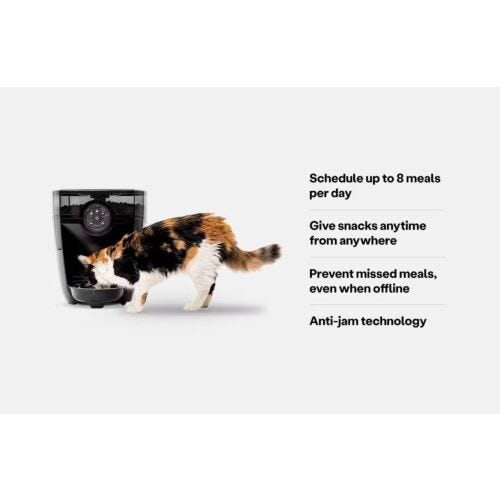
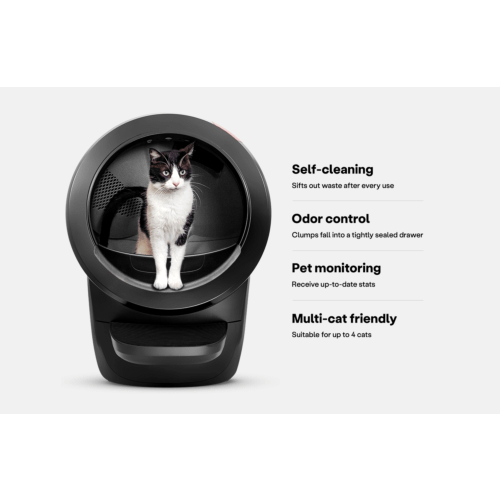
- Automate what you can: automatic feeders and self-cleaning litter boxes reduce daily task load
- Keep supplies stocked: having extra litter, food, and essentials prevents last-minute stress
- Create visible systems: a simple checklist on the fridge can help track care tasks
- Designate zones: keep feeding, litter, and play areas organized and easy to maintain
The easier the system, the more likely it is to stay consistent, even on off days.
FAQ
Is a cat a better fit than a dog for someone with ADHD?
Not necessarily, it really depends on your lifestyle. Cats are typically more independent, quieter, and require less structured exercise, which can suit people with fluctuating energy. Dogs, on the other hand, can encourage routine, outdoor activity, and social interaction. The “better” choice comes down to your needs and capacity.
Can a cat qualify as an emotional support animal for ADHD?
Yes. Cats can be recognized as emotional support animals (ESAs) if a licensed professional determines they provide mental health benefits for a qualifying condition like ADHD or anxiety.
Can a child with ADHD take care of a cat?
Sometimes, but they’ll need support. Most children, especially those with ADHD, benefit from shared responsibility, with adults ensuring consistency in feeding, litter care, and vet visits.
Sources:
- Review: Animal-assisted intervention for children with attention-deficit/hyperactivity disorder – a systematic review and meta-analysis
- Effects of Interactions with Cats in Domestic Environment on the Psychological and Physiological State of Their Owners: Associations among Cortisol, Oxytocin, Heart Rate Variability, and Emotions