

Wondering which foods to avoid during pregnancy? You’re not alone. This is one of the most common questions expectant parents have. While most foods are perfectly safe, a handful carry higher risks due to bacteria, parasites, or mercury levels. The good news: with a few simple adjustments, you can still enjoy a balanced, satisfying diet while keeping both you and your baby safe.
List of foods to avoid during pregnancy
Here’s a clear, practical foods to avoid during pregnancy list to keep in mind:
- High-mercury fish: shark, swordfish, king mackerel, tilefish, marlin, orange roughy, bigeye tuna
- Raw or undercooked seafood: sushi with raw fish, oysters, clams, scallops
- Raw or undercooked meat and poultry
- Deli meat and hot dogs (unless reheated until steaming)
- Raw or undercooked eggs: runny yolks, homemade mayo, raw batter
- Unpasteurized milk, juice, and soft cheeses
- Refrigerated pâté and meat spreads
- Raw sprouts (alfalfa, bean, clover, radish)
- Unwashed fruits and vegetables
- Too much caffeine
- Alcohol
- Certain herbal teas, unless approved by your doctor
This list may seem long, but most risks are easy to avoid once you know what to look for.
Why some foods are riskier during pregnancy
Pregnancy changes your immune system, which makes you more vulnerable to foodborne illnesses. Infections that might be mild otherwise — like those caused by Listeria —can become serious during pregnancy.
The main concerns behind foods to avoid during pregnancy include:
- Bacteria (like Listeria or Salmonella)
- Parasites (such as toxoplasmosis)
- Mercury exposure from certain fish
- Unpasteurized products, which may contain harmful microbes
Understanding the “why” makes it easier to make safer choices without feeling restricted.
Safer swaps for common cravings
Cravings don’t go away just because you’re pregnant — if anything, they can get worse. Here’s how to tweak them:
- Sushi craving → cooked rolls (shrimp tempura, California rolls)
- Turkey sandwich → heated deli meat or freshly cooked chicken
- Runny eggs → fully cooked scrambled or hard-boiled eggs
- Soft cheese board → pasteurized cheeses
- Tuna craving → lower-mercury options like shrimp, salmon, sardines, pollock, or cod
These swaps let you enjoy similar flavors without the added risk.
Seafood during pregnancy: what to avoid and what’s safe
Before eating seafood, it’s important to know which foods you should avoid while pregnant.
Fish and seafood to avoid
Certain fish contain high levels of mercury, which can affect a baby’s developing brain and nervous system. Avoid:
- Shark
- Swordfish
- King mackerel
- Tilefish
- Marlin
- Orange roughy
- Bigeye tuna
Can pregnant women eat shrimp?
Yes, pregnant women can eat shrimp, as long as it’s fully cooked. Shrimp is actually a great low-mercury option and provides protein and nutrients like iodine.
Raw seafood to avoid
Skip anything raw or undercooked, including:
- Sushi with raw fish
- Raw oysters, clams, and scallops
- Refrigerated smoked seafood (unless cooked in a dish)
Deli meat while pregnant: Is it ever safe?
Deli meat while pregnant is a concern because it can carry Listeria, even when refrigerated. Unlike many bacteria, Listeria can grow at cold temperatures.
Can you eat deli meat while pregnant if you heat it?
Yes. Heating deli meat until it’s steaming hot significantly reduces the risk and makes it safer to eat.
Safer sandwich alternatives
If you’d rather skip deli meat altogether, try:
- Rotisserie chicken (reheated)
- Freshly cooked turkey or chicken
- Egg salad made with fully cooked eggs
- Nut butter, hummus, or bean-based fillings
Dairy, eggs, and produce to be careful with
Unpasteurized dairy and soft cheeses
Avoid unpasteurized products, including raw milk and certain cheeses unless labeled pasteurized. Cheese like brie, feta, and blue cheese are safe only if pasteurized.
Raw or undercooked eggs
Raw eggs carry Salmonella. That means avoiding:
- Homemade mayo
- Hollandaise
- Caesar dressing
- Raw batter
- Tiramisu
Raw sprouts and unwashed produce
Sprouts are risky because bacteria can grow inside them, where washing won’t remove it. For produce in general:
- Wash fruits and vegetables thoroughly
- Scrub firm produce like melons or cucumbers
Other things to avoid while pregnant
Aside from certain foods, there are some other common concerns on what to avoid while pregnant.
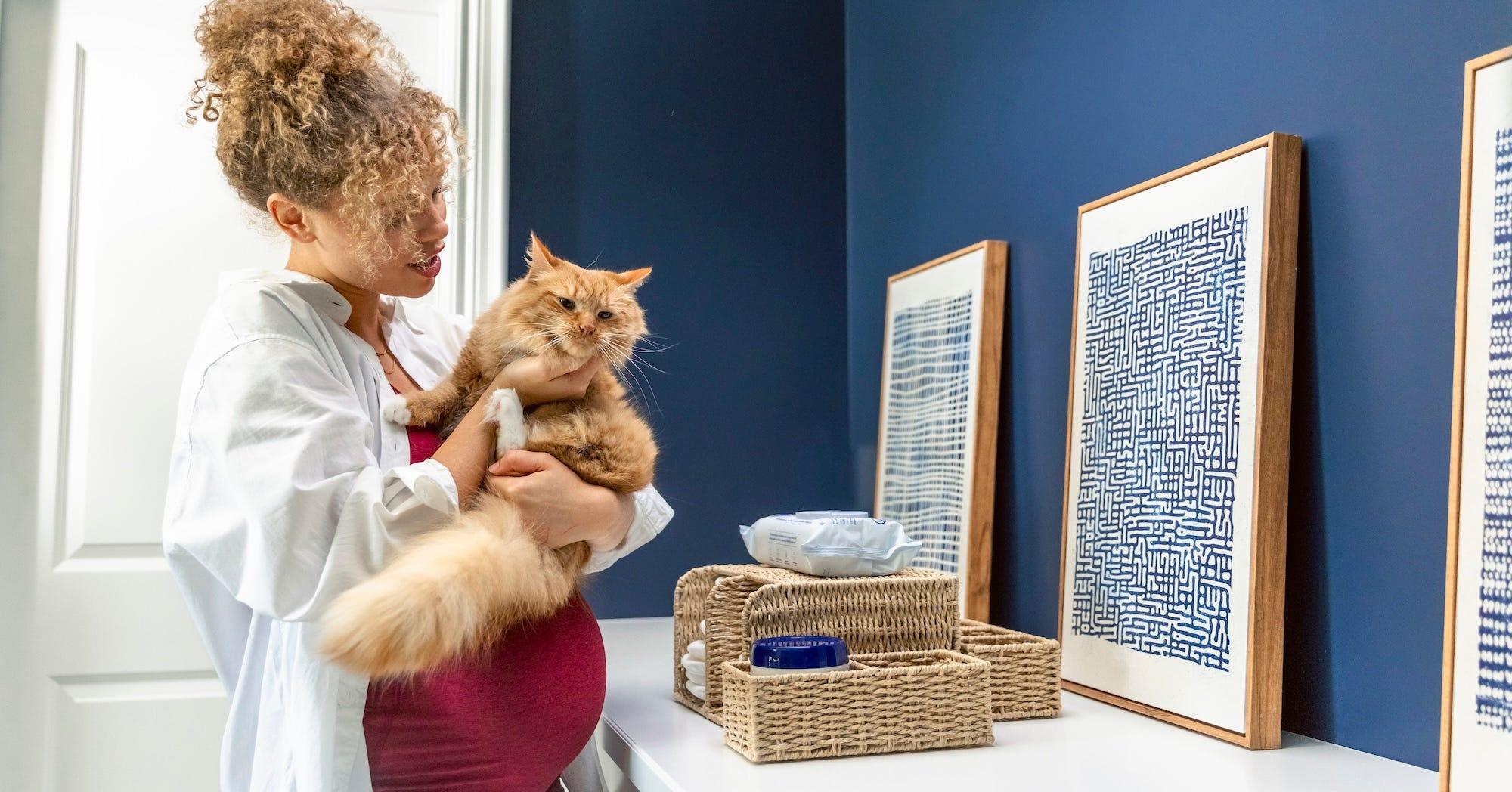
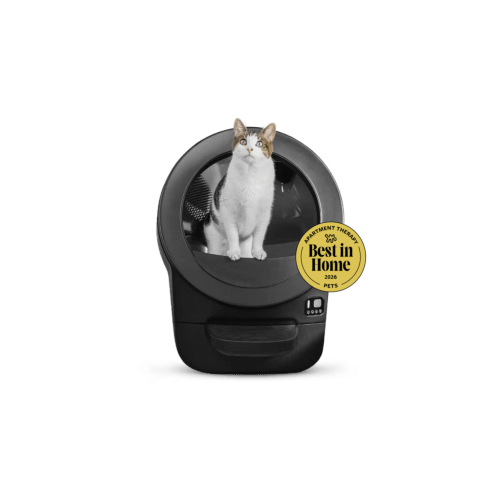
Avoid scooping the litter box if possible
Cat litter can carry the parasite that causes Toxoplasmosis. If possible, have someone else handle litter box cleaning. If you must do it yourself, wear gloves, wash your hands thoroughly, and clean the box daily to reduce risk.
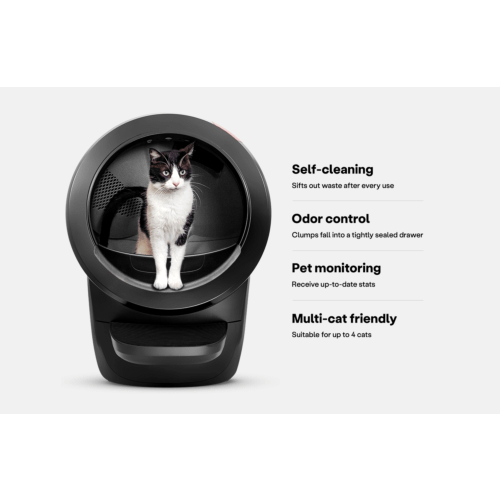
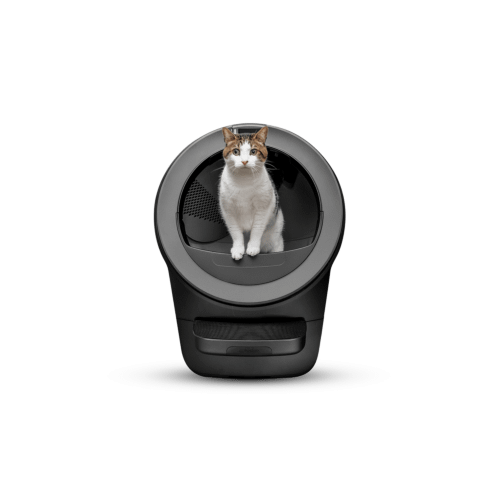
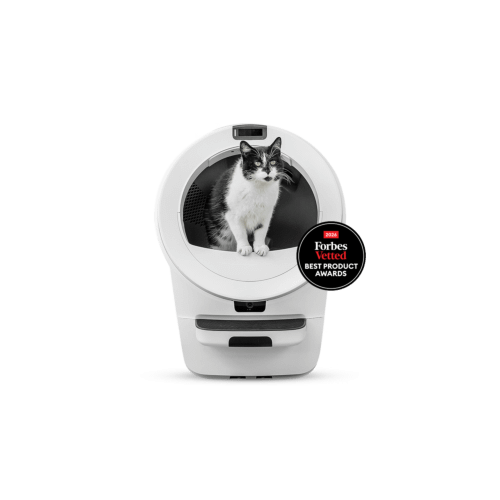
To avoid the hassle altogether, try switching to a self-cleaning litter box.
Can you dye your hair while pregnant?
Yes, most experts consider hair dye during pregnancy low risk. Only a small amount is absorbed through the scalp, though many people choose to wait until after their first trimester for peace of mind.
Other common non-food exposures to ask your OB-GYN about
It’s also worth checking with your doctor about:
- Hot tubs or overheating
- Certain medications and supplements
- Strong chemical exposures at work or home
When to call your doctor
Reach out to your healthcare provider if:
- You ate high-risk food and develop symptoms like fever, vomiting, diarrhea, or flu-like illness
- You think you were exposed to toxoplasmosis
- You are unsure whether a specific food, medication, tea, or cosmetic treatment is safe
Navigating foods during pregnancy doesn’t have to feel overwhelming. Once you understand the main risks — like bacteria, mercury, and unpasteurized products — it becomes much easier to make confident, safe choices. When in doubt, a quick adjustment or swap can go a long way in protecting both you and your baby.