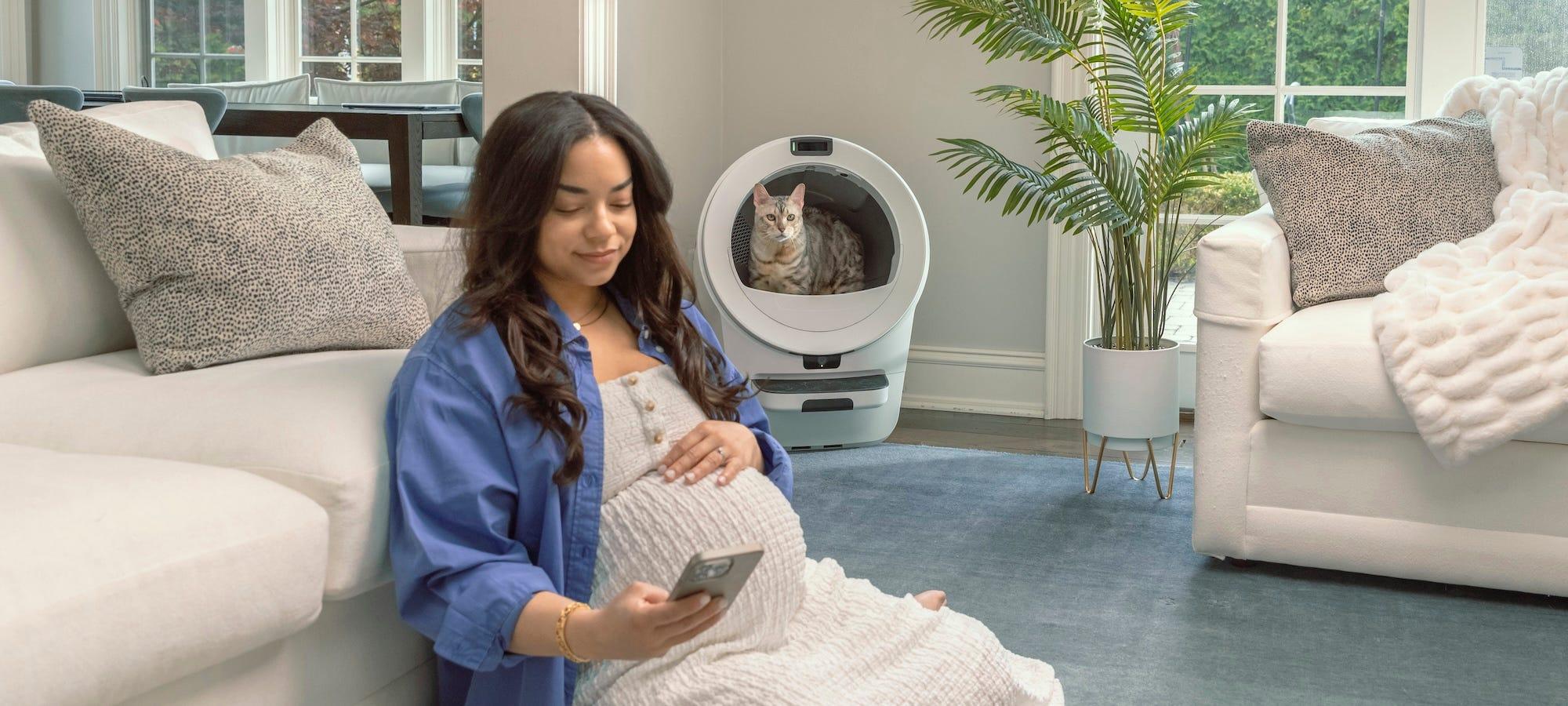

If you're pregnant and you have a cat, or you're thinking about getting one, chances are someone has warned you: "You can’t be around cats!"
Let’s clear the air. As a veterinarian (and cat mom myself), I can tell you those warnings are based on outdated myths, not facts. The truth is you can have a safe, healthy pregnancy and still snuggle your cat. You just need to understand where the risks come from and how to protect yourself.
So, can pregnant people be around cats?
Yes. You absolutely can be around cats while pregnant. You can cuddle them, live with them, and keep loving them like always. The risk doesn’t come from the cat, it comes from their litter box, and only in very specific situations. Let’s start with the litter box.
Why can’t pregnant people clean litter boxes?
The issue is a parasite called Toxoplasma gondii. Toxoplasmosis is an infection that can potentially harm a developing fetus if a pregnant person becomes infected during pregnancy.
Cats can shed this parasite in their feces, but only if they’re infected.
That’s why you’ll often hear people say, “Pregnant women shouldn’t scoop the litter box.” Here's what most people don’t know:
- Indoor-only cats are extremely unlikely to carry toxoplasmosis. So long as your cat doesn’t hunt or isn’t fed raw meat, the chances are very low.
- Shedding the parasite has a low chance of happening. Even if they were infected, cats typically shed the parasite for only a short time, usually once in their life.
- Toxoplasma eggs take over 24 hours to mature and become infectious, which is why daily cleaning is one of the best ways to reduce risk.
So yes, the risk exists, but it’s lower than you might think. And with some precautions, it becomes almost nonexistent.
Cat litter and pregnancy: How to stay safe
Here are some ways to reduce the already-low risk of toxoplasmosis while keeping your cat close:
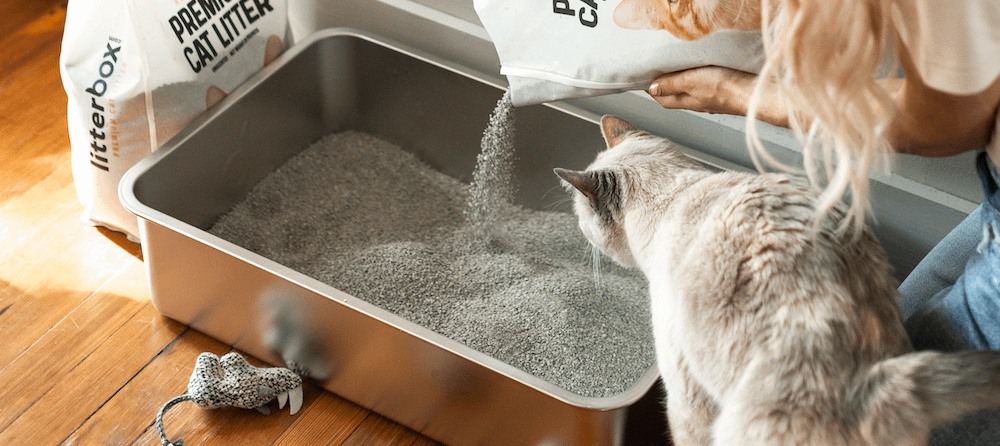
- Avoid scooping if you can: Delegate litter box duties to your partner, roommate, or a family member. If you can’t delegate the task, wear gloves and a mask and wash your hands thoroughly after handling the litter box.
- Clean the litter box daily: This keeps things fresh and prevents parasite eggs (if present) from becoming infectious. Ideally, ask someone else to clean it.
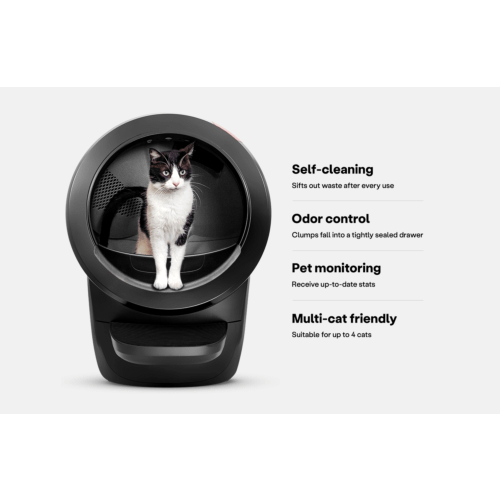
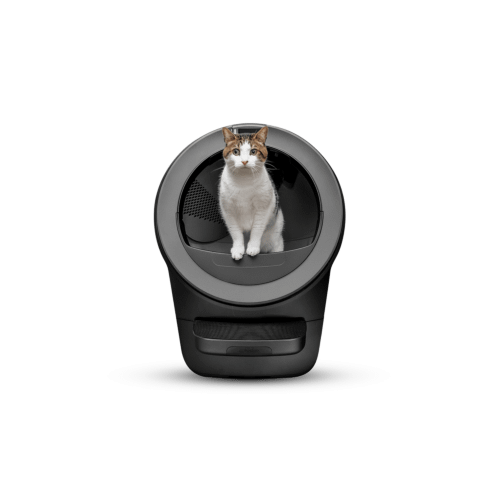
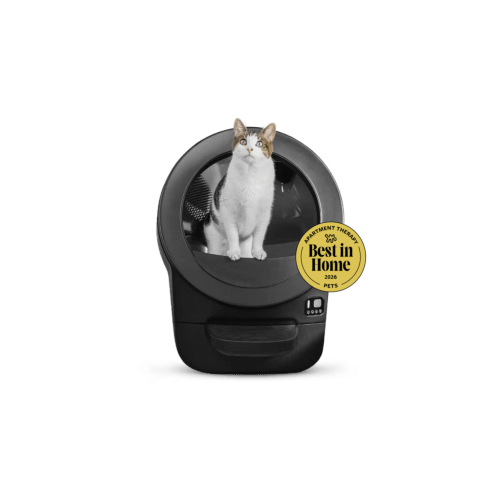
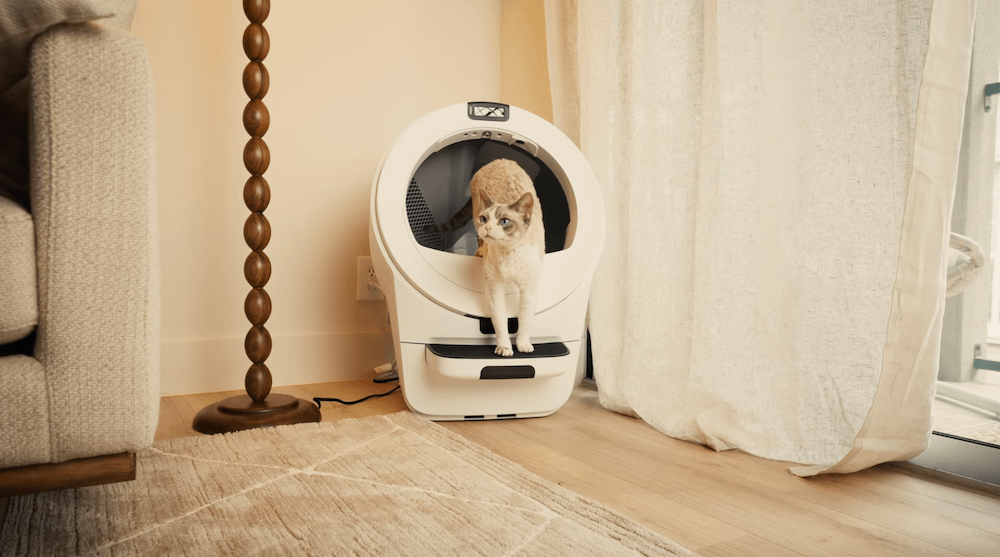
- Use a self-cleaning litter box like Litter-Robot: It automatically removes waste, meaning you interact with the litter less and stay safer.
- Don’t feed your cat raw meat: It can be a source of Toxoplasma.
- Avoid stray cats. Outdoor cats are more likely to have had to hunt for food, which makes them likelier to carry toxoplasmosis.
- Use low-dust litter to avoid inhaling particles, especially in small spaces like bathrooms or laundry rooms.
Cats and pregnancy: Myths debunked
Let’s set the record straight on some of the most common fears:
Myth: You must give up your cat if you’re pregnant. Truth: Proper hygiene and common sense make cat ownership perfectly safe.
Myth: All cats carry toxoplasmosis. Truth: Most indoor-only cats do not. They're at low risk unless they hunt or eat raw meat.
Myth: Being near cats can harm your baby. Truth: Petting, cuddling, and sharing space with your cat is safe and encouraged. That connection can even be calming during pregnancy.
When to call your doctor or vet
If you’re pregnant and experience flu-like symptoms (fever, fatigue, body aches) after exposure to litter, soil, or raw meat, talk to your doctor. Testing for toxoplasmosis is quick and easy, and your OB can guide the next steps if needed.
If you’re concerned your cat may have been exposed or shows signs of illness, call your vet. It’s always better to check than stress.
Is it safe to keep a cat during pregnancy?
Yes, absolutely. As a vet, I’ve helped hundreds of clients and friends navigate pregnancy while staying close to their cats. You don’t need to choose between your furry companion and your future child. Just take smart precautions and keep things clean.
Cat people make great parents!
Sources: