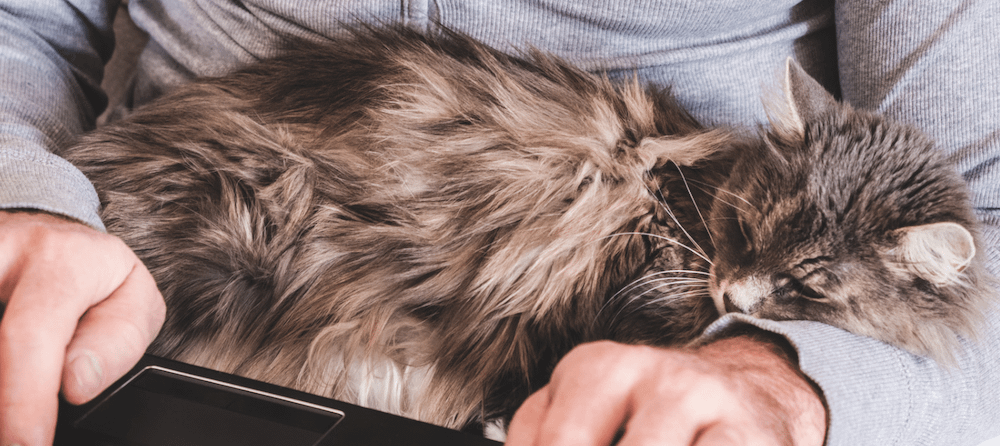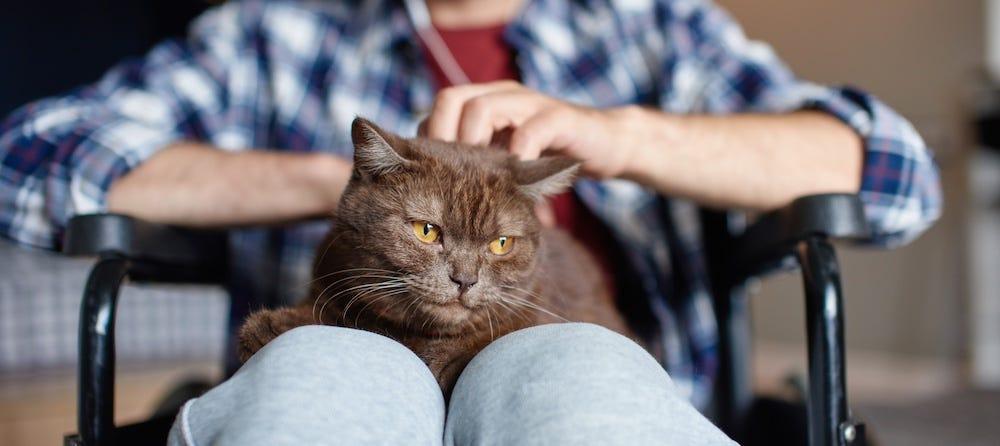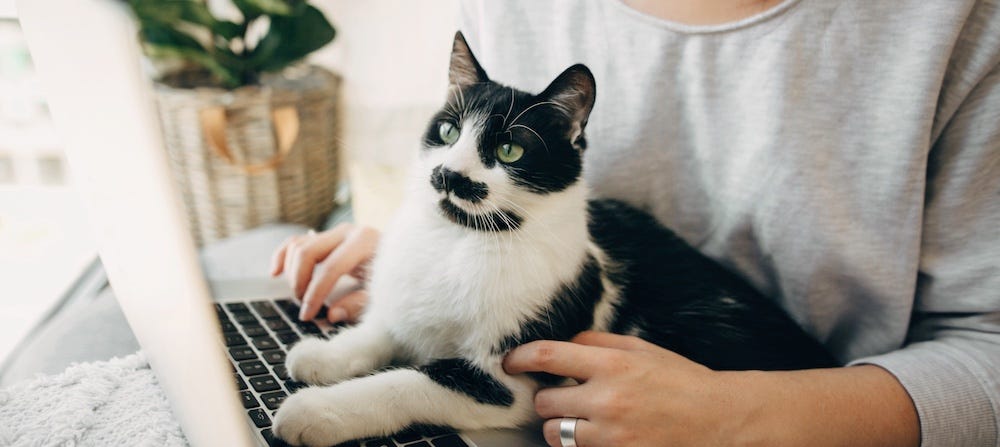


Can cats help with depression and anxiety? In many cases, yes, cats can provide comfort, companionship, and a calming presence that helps some people feel less alone or overwhelmed. That said, the relationship isn’t one-size-fits-all. Research is mixed, and cats are not a replacement for therapy, medication, or professional mental health care.
The short answer
Yes, cats can help some people feel less anxious or depressed, but how much they help depends on the person, the cat, and the situation.
What the research actually says
Studies on pets and mental health show mixed results. Some people report lower stress levels, improved mood, and reduced loneliness with pets, while others see little measurable change. One key factor is the quality of the bond — people who feel strongly attached to their pets tend to experience more emotional benefits.
Why the answer is not the same for everyone
Cats and mental health don’t interact the same for every person. A few important variables include:
- The cat’s temperament (affectionate vs. independent)
- Your lifestyle and expectations
- Practical responsibilities like litter cleaning, vet care, and costs
- The severity of mental health symptoms, especially if professional support is needed
For some, a cat is deeply comforting. For others, the added responsibility can feel like too much.
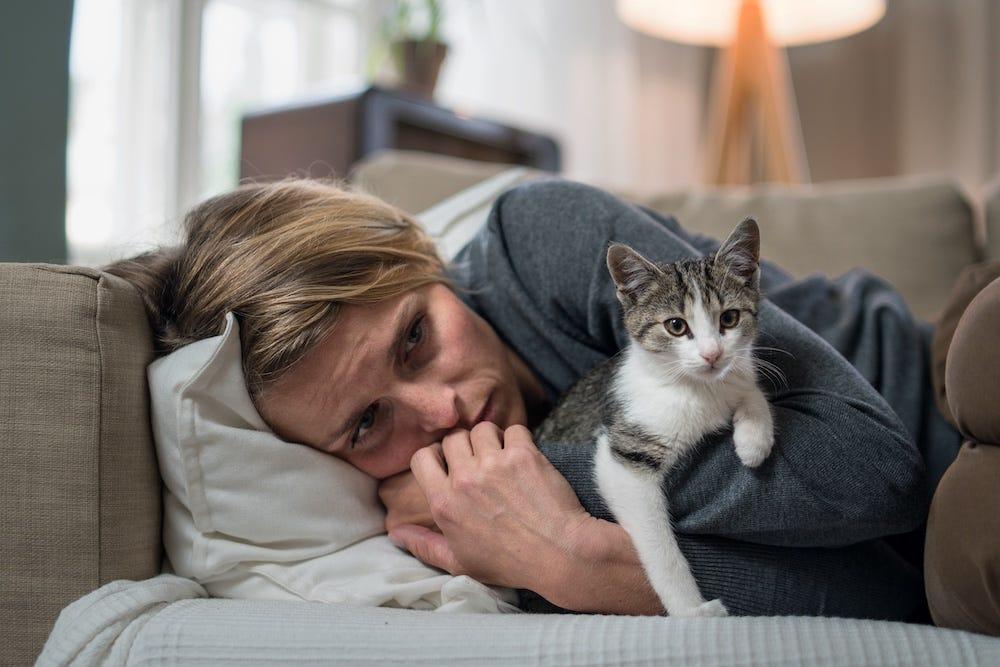
Benefits of having a cat for mental health
There are several benefits of having a cat, especially for emotional well-being.
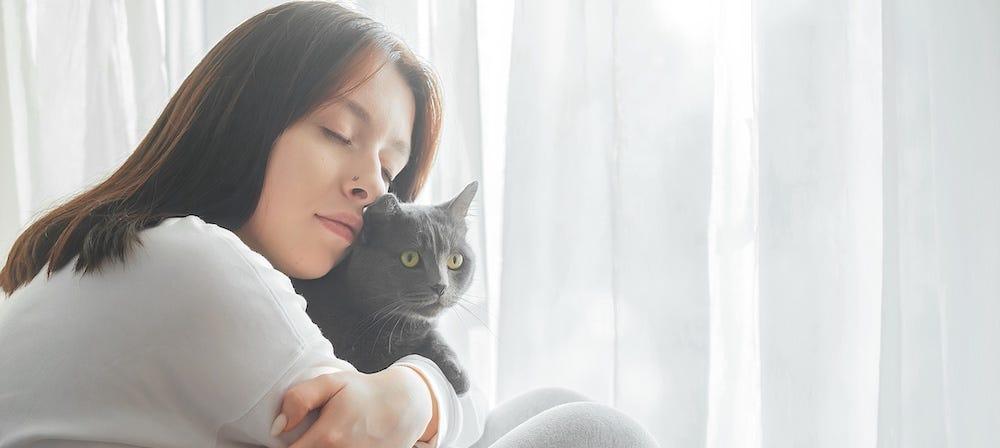
Cats can help reduce loneliness by offering consistent companionship. Even when they’re not actively interacting, their presence alone can make a home feel less empty. Many people also find that petting a cat helps lower stress. This kind of gentle, repetitive contact can feel grounding during anxious moments.
Cats naturally create daily routines, from feeding times to play sessions, which can add structure to your day.
For someone dealing with depression, that sense of routine and responsibility can be surprisingly helpful. And unlike people, cats offer nonjudgmental companionship. They’re simply there, without expectations or pressure.
How cats can help with depression and anxiety
On a more practical level, cats may support mental health in a few specific ways:
- Companionship: Having a living being in your space can ease isolation
- Routine: Feeding, cleaning, and playtime create daily structure
- Tactile comfort: Petting a cat can feel calming and grounding
- Quiet presence: Their calm energy can be soothing during stressful moments
- Distraction: Focusing on your cat can interrupt anxious thought loops
- Purpose: Caring for another living being can add meaning to your day
Are cats better than dogs for depression and anxiety?
Whether a dog or a cat would be a better fit depends on your lifestyle and what you’re looking for in a pet partner.
When and why cats are better
Cats can be a better fit for people who want a calmer, lower-maintenance companion. They’re often ideal for apartment living, require less daily exercise, and provide quieter emotional support. This can be especially helpful for people with limited energy or fluctuating mental health capacity.
When and why dogs are better
Dogs may be a better choice for those who benefit from activity and social interaction. Regular walks, outdoor time, and increased social contact can be helpful for some people, but they also require more time and energy.
Can cats be emotional support animals?
If you’re looking for an emotional support animal, dogs aren’t the only option.
Yes, cats can be emotional support animals
Cats can absolutely serve as emotional support animals (ESAs). They provide comfort and companionship for individuals with qualifying mental and emotional conditions.
If you have an eligible medical condition—such as depression or anxiety—you may be able to use HSA/FSA funds for certain cat-related items that support your own health.
Emotional support cat vs therapy cat vs service animal
It’s helpful to understand the differences:
- Emotional support animal (ESA): Provides comfort to one person, and may have housing-related protections
- Therapy cat: Visits hospitals, schools, or facilities to comfort others
- Service animal: Typically dogs trained for specific tasks, and cats are not recognized as service animals under ADA guidelines
When a cat might not help your mental health
While cats can be supportive, they’re not always the right fit.
Pet care can become overwhelming during a mental health low
On difficult days, even basic tasks like feeding or cleaning a litter box can feel like too much.
Behavior problems can increase stress
Certain behaviors can add frustration or anxiety, such as:
- Litter box issues
- Scratching furniture
- Nighttime activity or vocalizing
- Separation-related behaviors
Financial pressure can add anxiety
Food, litter, and vet care costs can add up, especially in emergencies.
Grief, illness, or caregiving burden can be emotionally hard
Caring for a sick pet, or eventually losing one, can be emotionally difficult and may worsen mental health for some people.
Is getting a cat a good idea for your mental health?
A quick self-check before adopting
Before bringing a cat home, it’s worth asking yourself:
- Can you handle daily care on low-energy days?
- Can you afford ongoing expenses like food, litter, and vet visits?
- Do you want a calm companion or a highly interactive pet?
- Are you looking for support or expecting a cure?
- Do you have backup help if your symptoms worsen?
Signs a cat could be a good fit
A cat may be a great match if you want quiet companionship, enjoy a slower pace, and feel comfortable with consistent (but relatively low-demand) care.
Signs another option may be better
If you’re unsure, consider easing in:
- Foster a cat first
- Volunteer with cats
- Adopt an older, calmer cat instead of a kitten
- Or wait until your situation feels more stable
Best cats to help with anxiety or depression
Here’s what to think about when looking for a cat to help with your anxiety and depression.
Personality matters more than breed
While some breeds are known for being friendly, individual personality matters far more than breed alone.
Traits to look for
Look for cats that are:
- Affectionate but not overly clingy
- Adaptable to new environments
- Comfortable with handling
- Low-reactivity (not easily startled or aggressive)
- Consistent with litter box habits
Why an adult cat may be easier than a kitten
Adult cats tend to have more predictable personalities and lower energy levels. Kittens, while adorable, can be demanding and chaotic — something to keep in mind if you’re looking for a calming presence.
How to make life with a cat more supportive and less stressful
A few simple adjustments can make a big difference.
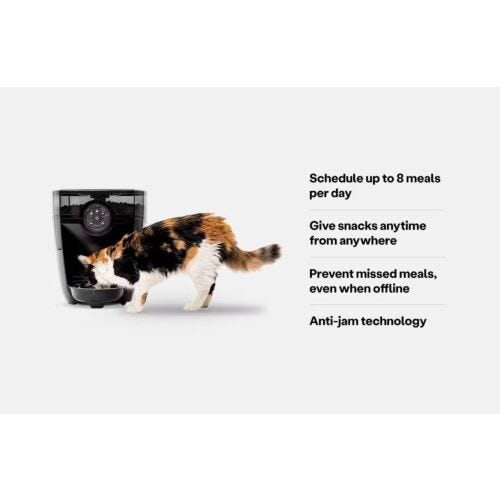
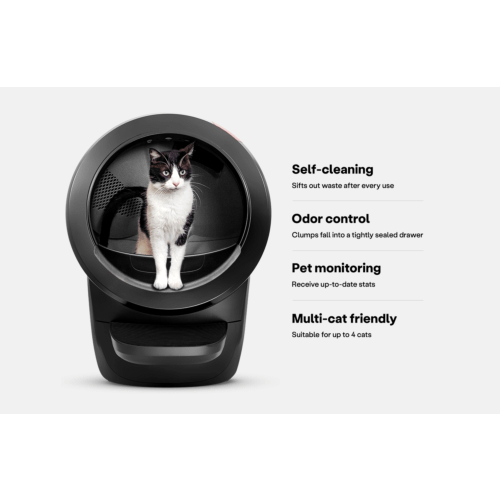
- Keep litter care simple (automatic litter boxes can help reduce daily effort)
- Maintain consistent feeding routines
- Create quiet, cozy spaces for your cat
- Support natural behaviors like scratching and play
The easier your setup, the more your cat can feel like support, not stress.
Conclusion
So, can cats help with depression and anxiety? They can, but it depends on your needs, your lifestyle, and the cat itself. For the right person, a cat can be a comforting, steady, companion. The key is making sure the relationship works both ways — because the best mental-health pet is one whose needs truly fit your life.