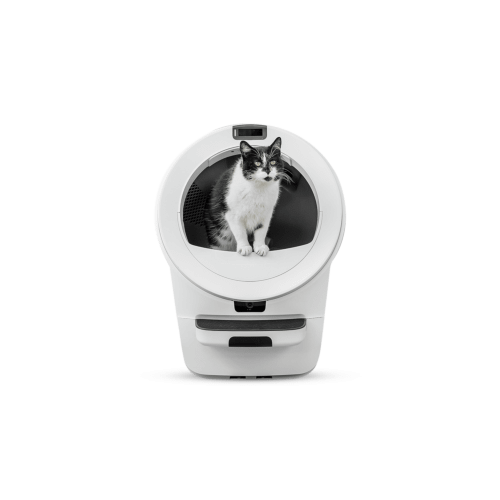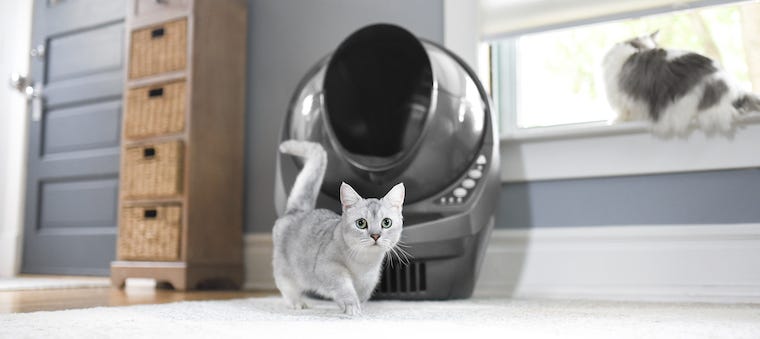


It’s tempting to treat your cat’s litter box with an “out of sight, out of mind” mentality. You may be an ideal scooper—scooping the litter box daily, that is—or you may even have a self-cleaning litter box. But how often do you really pay attention to the contents of the litter box? As unpleasant as it sounds, it’s important to monitor your feline’s litter box habits. You may just end up saving your cat’s life!
How often should cats pee?
In general, a healthy adult cat typically urinates 2 to 4 times per day though it may vary based on your cat's age, diet, health, and individual differences. However, some variation is normal, and factors like hydration level, environmental conditions, and the type of diet (wet or dry food) can influence how often a cat uses the litter box.
Why you should monitor spikes in activity
If you scoop daily, you’re more likely to notice a sudden increase or decrease in litter box use. Sudden increases in visits to the litter box or urinating frequency may indicate:
- Urinary tract issues – Frequent trips to the litter box with little urine output can indicate urinary tract infections (UTIs), bladder stones, or feline lower urinary tract disease (FLUTD). If a cat strains to urinate or appears in pain, it could be a medical emergency.
- Diabetes or Kidney Disease – Increased urination (polyuria) is a symptom of diabetes mellitus or kidney disease, often accompanied by excessive drinking (polydipsia).
- Gastrointestinal problems – Conditions like diarrhea, constipation, or inflammatory bowel disease (IBD) can lead to frequent litter box visits.
- Blockages (Emergency Situation) – If your cat is making frequent trips but producing little to no urine, it could indicate a urinary blockage, which is life-threatening and requires immediate veterinary attention.
Changes in routine, new pets, or household stressors can cause cats to exhibit unusual litter box behaviors, sometimes mimicking medical issues. If a cat keeps returning to the litter box but is hesitant to use it, they may dislike the litter type, box cleanliness, or location.
Keeping track of litter box visits
Litter-Robot takes this a step further by literally showing you the data. With the Whisker app, you can view the waste drawer level, get notifications, and see recent usage history for insights into your cat's bathroom behavior. (Note: Screens may vary as the app gets updated.)

For instance, if you notice a dramatic spike in activity, you’ll know it’s time to make a trip to the vet. Many Litter-Robot 4 users have been able to detect a UTI early and treat it immediately with a follow-up visit to the vet, just as these pet parents did when the Whisker app started notifying them every 10 minutes. Hear their story below:
Note: If you have more than two cats, you will not be able to tell which cat has used Litter-Robot EVO via the app. Litter-Robot 4 and Litter-Robot 5 feature laser and weight sensor technology that detects individual cats who weigh a difference of 1 or more lbs.
Reminder: The two rules of the litter box
With traditional litter boxes, you should be following these two rules:
Have n+1 traditional litter boxes per cat
That is, if you have 1 cat, you need n+1 litter boxes (in other words, 2). If you have 3 cats, you need 3+1 litter boxes (a total of 4).
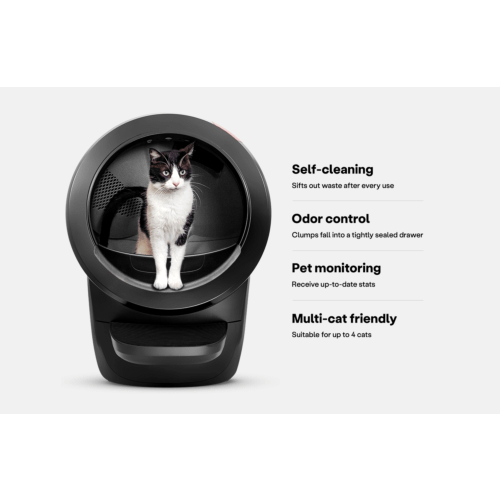
If you have a Litter-Robot self-cleaning litter box however, you may only need one as our automatic litter boxes can accommodate up to 4 cats.
Scoop daily
According to Dr. Justine Lee, DVM, DACVECC, DABT, cats don’t want to step into a dirty litter box too often. If the litter box is dirty, they may choose to only urinate once a day instead of 2-3x/day; when this happens, their urine becomes more concentrated, and with it, red blood cells, mucous plugs, or even crystals can become more concentrated.
This can potentially result in Feline Idiopathic Cystitis (FIC) or the more life-threatening urinary blockage called Feline Urethral Obstruction (FUO).
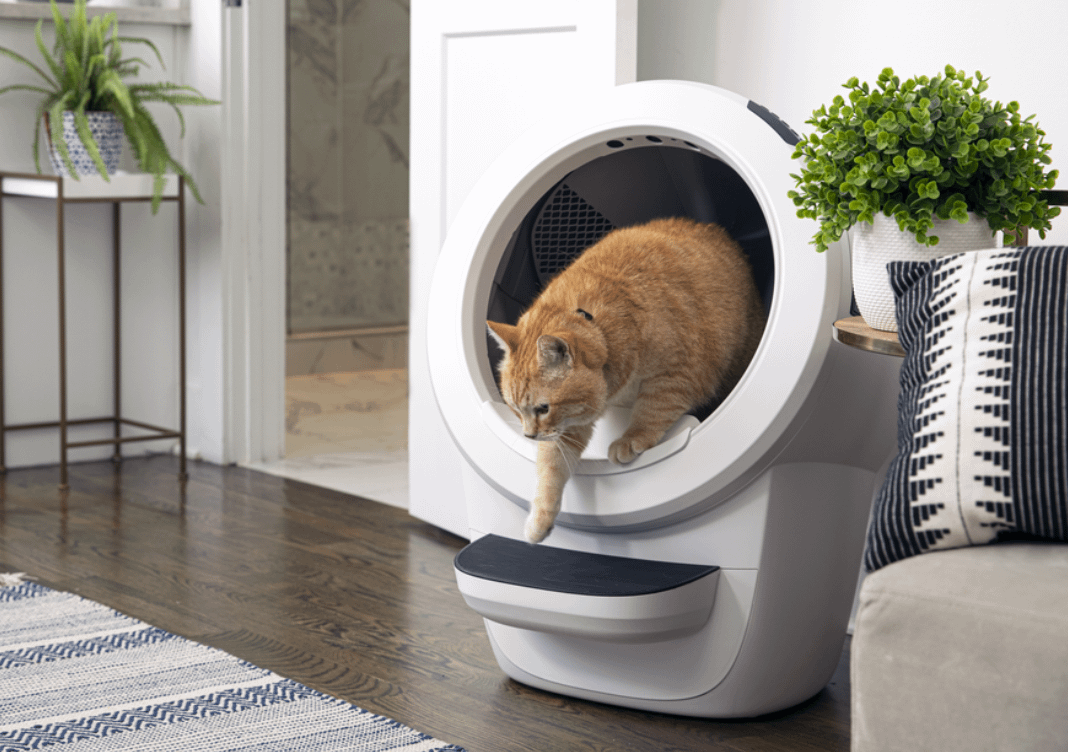
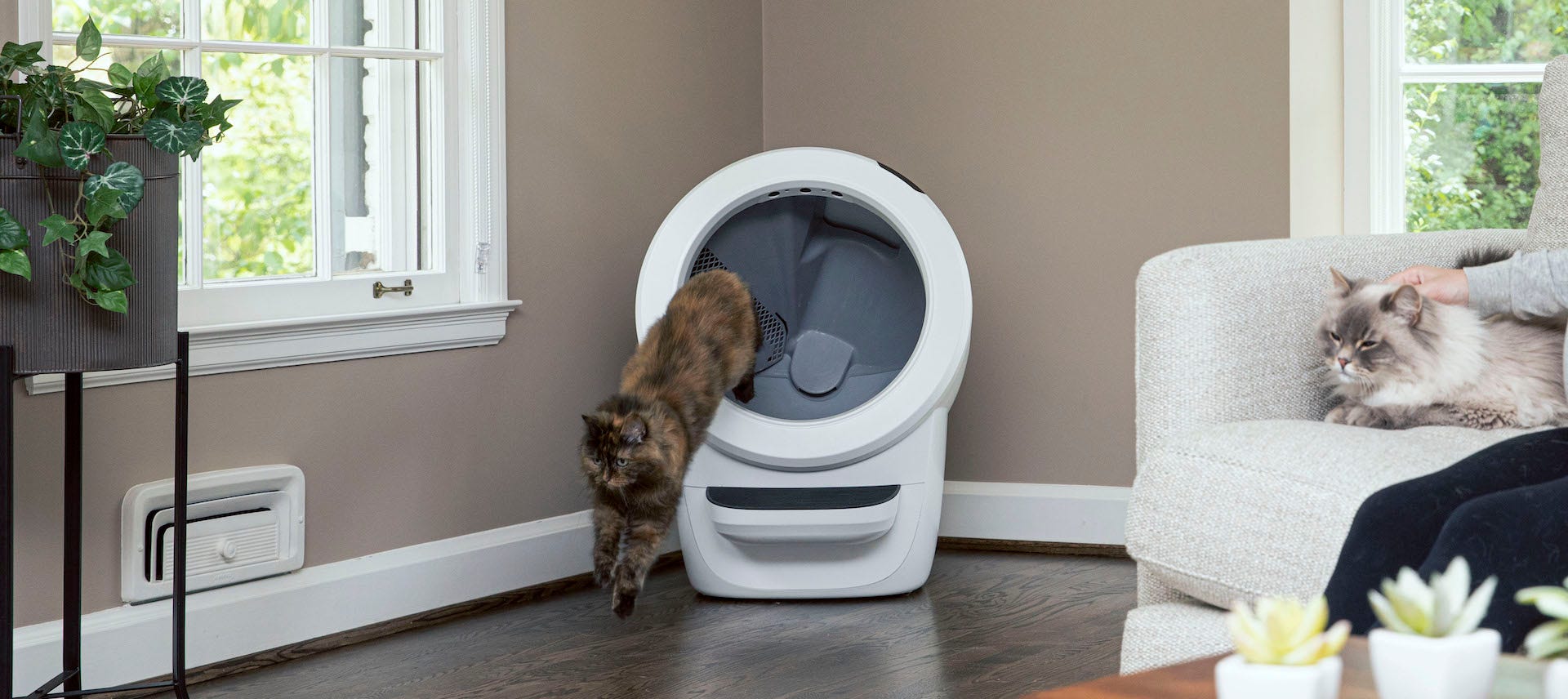
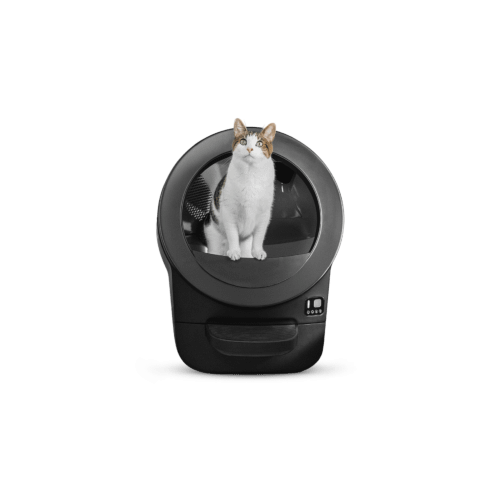
An automatic, self-cleaning litter box like Litter-Robot provides a clean bed of litter every time, making it a suitable litter box for up to four cats. However, even with a self-cleaning litter box you should be paying attention to your cat’s litter box habits.
Shop Litter-Robot automatic litter boxes
Clump size matters
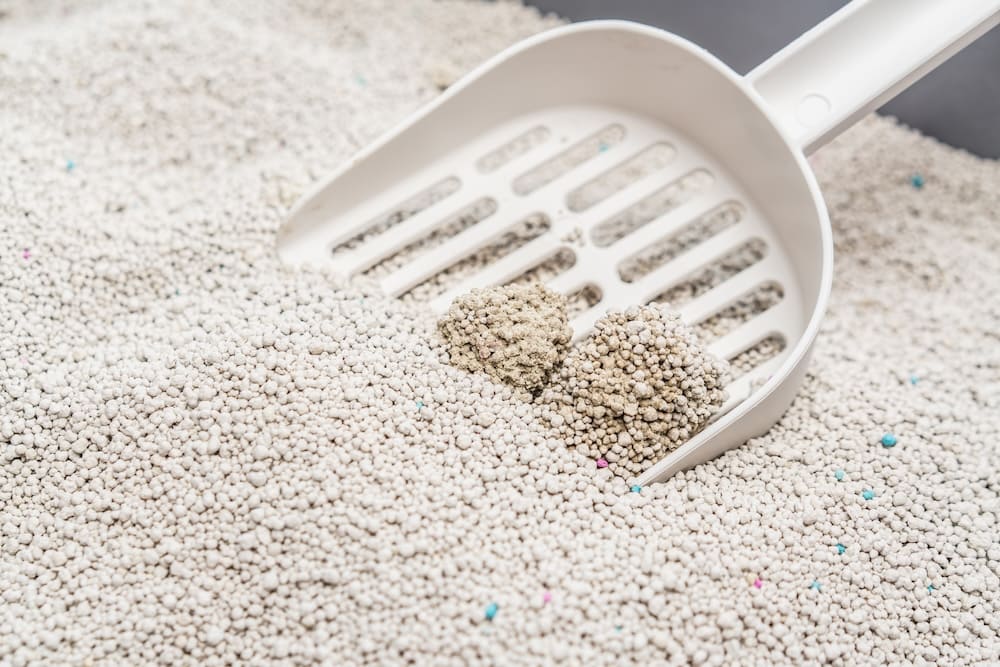
Something you might not realize you should be paying attention to in your cat’s litter box? The size of their urine clumps! Clumping cat litter can give you a good idea of your cat's urine output and may even help you detect early signs of issues.
Normal cat pee clump size
The normal cat pee clump size should be about 1 to 2 inches in diameter or roughly the size of a golf ball, depending on hydration level, diet, and health.
Keep in mind that this is a general approximation, and individual variations will exist. If you notice substantial changes in your cat's urine clump size or other litter box habits, it's recommended to consult with a veterinarian for a more accurate assessment of your cat's health.
Large clumps
How big should a clump be? Dr. Lee says it depends on multiple factors:
- Whether your cat is the type to hold their urine all day (most cats aren’t)
- How many trips to the litter box they like to make (most cats visit 2-3x daily)
- What type of food you feed them (canned food may make them pee a little bit more)
- How often you clean out the litter box
If you notice the urine clumps getting bigger and bigger, bring your cat to the vet.
Dr. Lee’s rule is if the clumps are bigger than a petite woman’s clenched fist, then they’re too big. Make an appointment with a vet to get your cat’s kidneys, thyroid, and blood sugar checked. Large clumps may be a sign of kidney disease, diabetes, or hyperthyroidism.
The absence of clumps or very small clumps
On the other hand, the absence of many clumps in the litter box is also cause for worry. This is probably a sign that your cat is straining to urinate or urinating in unusual places. Together, these symptoms point toward your cat having FIC, FUO, or a Urinary Tract Infection (UTI). Make a trip to the vet for a proper diagnosis.
Blood in the litter box
Don’t ignore blood in the litter box. Dr. Lee explains that it’s difficult for the average cat parent to differentiate between bloody urine, feces, or vomit. She suggests taking a photo on your smartphone to show the vet. If possible, take a sample of the bloody contents with a dosing syringe or wipe it up on a clean white paper towel and fold it into a plastic Ziploc bag to take to the vet, as well.
Blood in the litter box is most likely a sign of FIC, FUO, a UTI, or (rarer) bloody diarrhea.
Worms in the litter box
Unfortunately, finding worms in the litter box isn’t totally unusual. Gastrointestinal parasites—including tapeworms, roundworms, and hookworms—occur in cats that have not been appropriately dewormed, and are very common in young kittens. You may notice signs of worms in your cat’s perianal area, tail, or feces in the litter box. Tapeworms often look like small, white pieces of rice (or sesame seeds), while roundworms look like long, white or light brown noodles and can grow to be several inches long. It’s important to treat your cat as soon as he or she is diagnosed with gastrointestinal parasites to prevent damage to your cat’s body and to prevent accidental spread to humans.
Whether you have a traditional litter box or a self-cleaning litter box like Litter-Robot, you should be monitoring your cat’s litter box habits—including the contents of the litter box. Noticing the early signs of disease or parasites can mean the difference between life and death. Why? As Dr. Lee says, “Because cats have such stoic natures, they don’t show clinical signs of illness until it’s really, really severe.”
For more litter box tips check out our full litter box guide!
Source: