

An HSA (Health Savings Account) and an FSA (Flexible Spending Account) are tax-advantaged accounts that let you set aside pre-tax money for qualified medical expenses—including eligible pet products that help you safely care for your pets. Keep reading to find out which pet expenses may be eligible and how to acquire a Letter of Medical Necessity (LMN).
Can HSA or FSA be used for pets?
The IRS rule: Pets vs. service animals
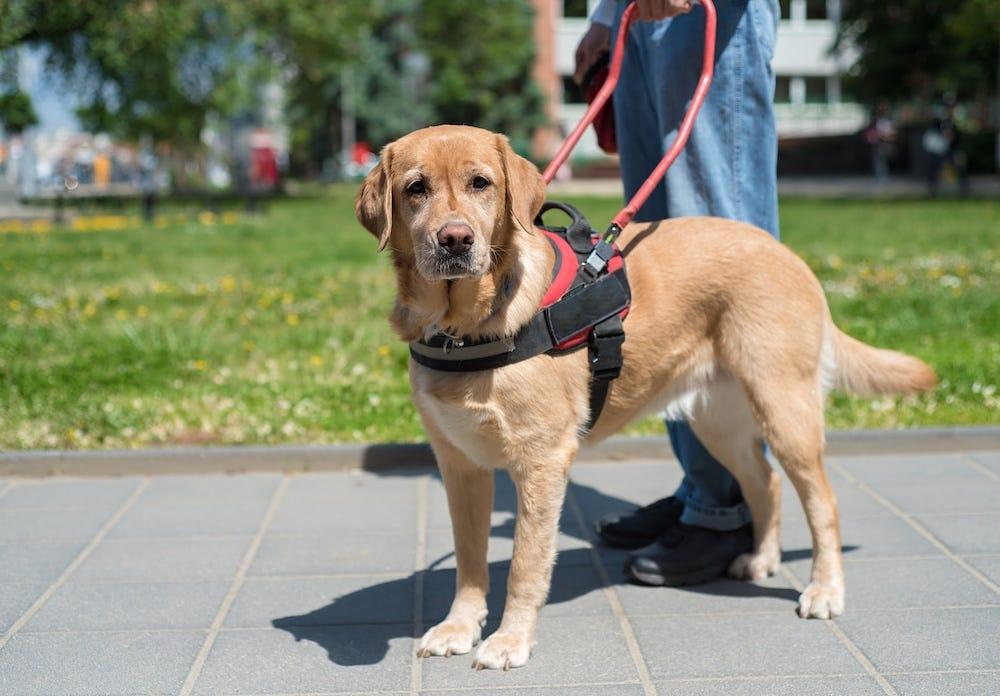
Can an HSA or FSA be used for pets? According to the IRS, no. Standard pets are not dependents, so these funds cannot be used for their care. However, service animals are considered “medical equipment” whose expenses may be eligible for HSA or FSA funds. (Note: Cats aren’t considered service animals.)
If you have a service dog or guide dog, certain expenses are eligible for your HSA or FSA funds. These include:
- Vet fees
- Food
- Training
- Grooming
The personal health loophole
HSA and FSA funds generally can’t be used to pay for veterinary care or other pet expenses.
If you have an eligible medical condition, you may be able to use HSA/FSA dollars for certain pet-related items that support your own health.
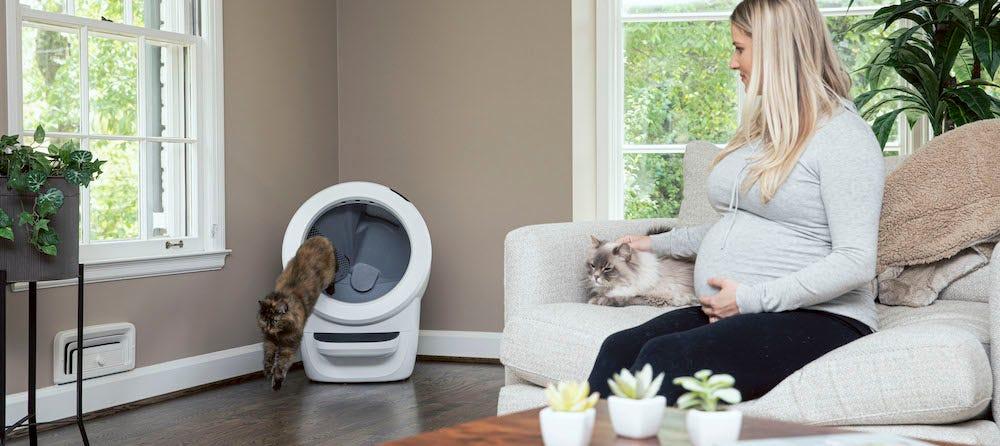
These items can also support your ability to care for your pet safely (for example, a self-cleaning litter box during pregnancy).
Read on to see which health conditions may qualify you to use HSA/FSA for these types of products.
HSA vs. FSA: Which should you use for pet care?
If you have access to both tax-advantaged accounts, you may be wondering which one to use for pet care expenses.
Annual contribution limits
Annually, you can contribute more to an HSA than to an FSA. Here are the 2026 contributions limits for each account:
- HSA: $4,400 for self-only coverage and $8,750 for family coverage.
- FSA: $3,400 for an individual and up to $7,500 per household (the latter is specific to the 2026 Dependent Care FSA).
FSA funds expire
Another consideration is the FSA’s “use-it-or-lose-it” risk. FSA funds are tied to a specific plan year; while you can carry over up to $680 in unused funds, anything beyond that will expire. By contrast, HSA funds never expire.
The “owner-health” loophole: How your condition makes pet gear eligible
Although HSA and FSA funds can’t be used on pets, pet parents with eligible health conditions can still take advantage of their funds for pet care “gear.”
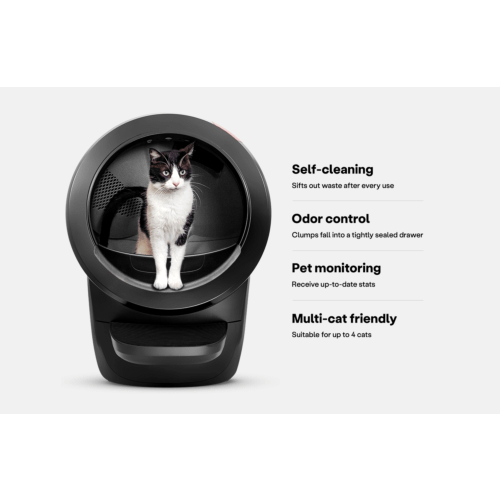
Certain products that enhance a pet parent’s ability to safely care for their pets—such as a self-cleaning litter box—can indeed be purchased with these tax-advantaged accounts. Read on to learn about health conditions that may qualify a pet parent for HSA/FSA.
Pregnancy
Scooping a litter box while pregnant poses a low but serious risk of contracting toxoplasmosis, a disease caused by the parasite Toxoplasma gondii that is shed in an infected cat’s feces. During this vulnerable period, pregnant people can take extra precautions by using an automatic litter box to do the cleaning for them—removing contact with cat waste altogether.
Reduced mobility and chronic pain
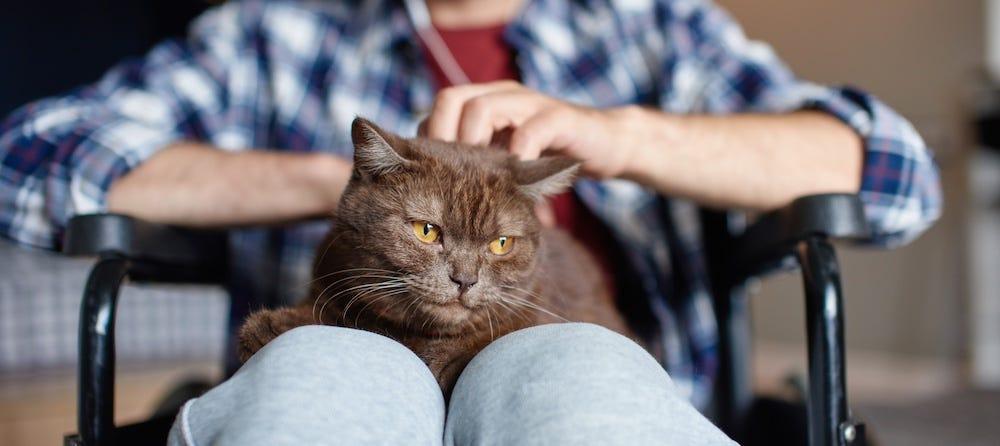
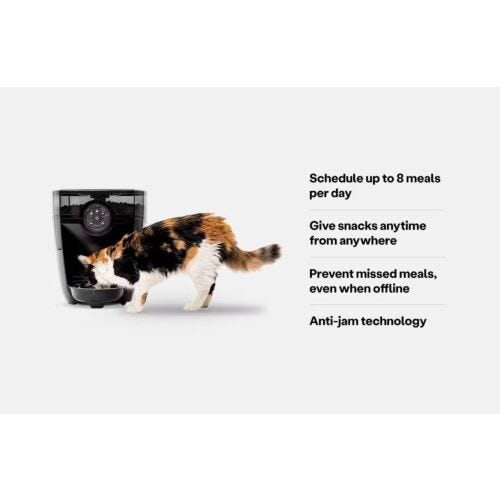
For people with reduced mobility, physical disabilities, or chronic illness, caring for pets requires special considerations. Automated products such as automatic pet feeders and self-cleaning litter boxes help reduce bending, scooping, and other activities that cause discomfort. Many of these smart, app-connected products even alert you when food is low or the waste drawer needs to be emptied.
Learn more about caring for a cat when you have reduced mobility.
Other qualifying health conditions
Other conditions that may qualify you to use your HSA or FSA funds on pet gear include:
- Muscle weakness
- Arthritis
- Vision loss/blindness
- Allergies
- Cerebral palsy
- Gait/mobility abnormalities
- Respiratory disorders
- Nervous system disorders
- Mental health conditions
- Viral communicable diseases
HSA/FSA-eligible pet products
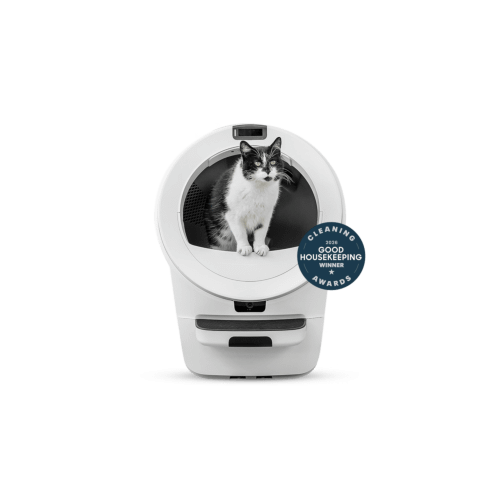
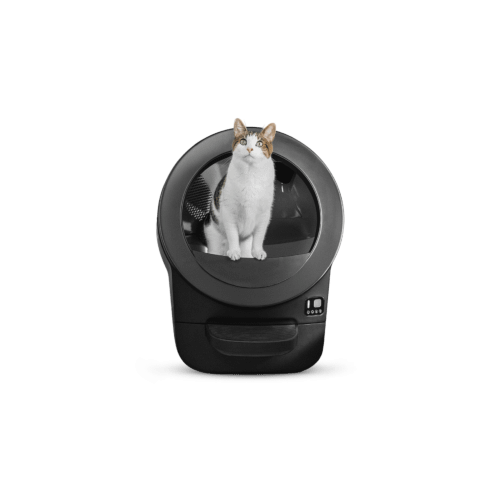
Litter-Robot, the highest-rated automatic litter box, now qualifies for HSA or FSA funds with a Letter of Medical Necessity for qualified individuals. HSA/FSA eligibility applies to Whisker products that reduce the physical, cognitive, and sensory demands of cat care, including the new Litter-Robot 5, Litter-Robot 5 Pro, and Litter-Robot EVO, as well as core products like Litter-Robot 4 and Feeder-Robot.
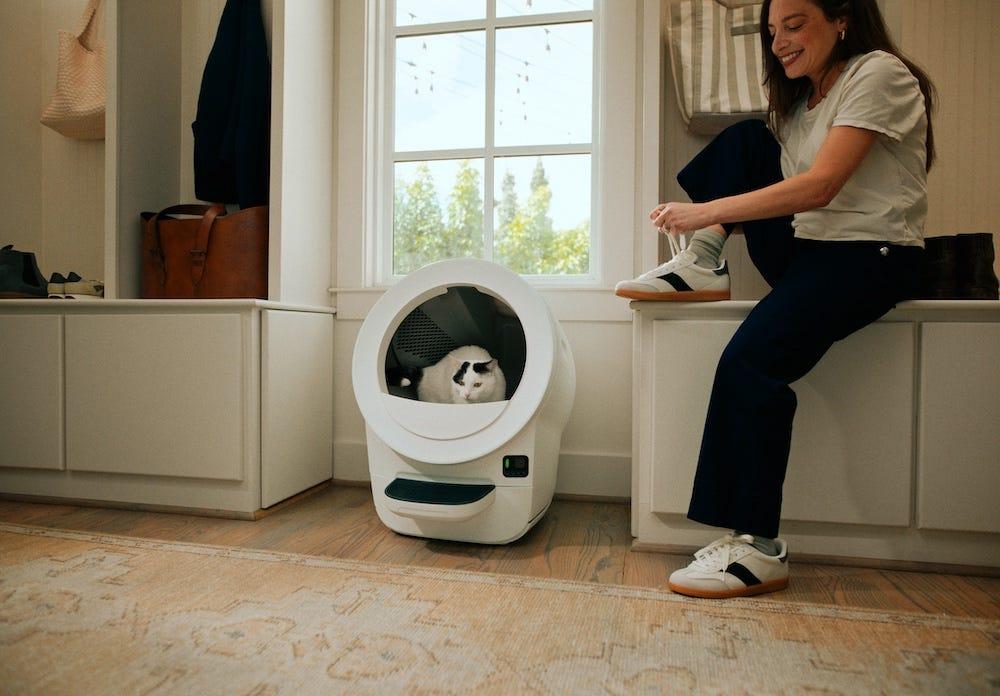
See all HSA/FSA-eligible Whisker products.
Additional pet gear items that may be HSA/FSA-eligible include:
- Dog crates
- Disposable or washable underpads
- Pet thermometers
- First aid items
- Allergy relief aids
- Tick remover tools
How to get an LMN (Letter of Medical Necessity) at checkout
A Letter of Medical Necessity (LMN) is a letter from a licensed healthcare provider that states a product is medically necessary to treat or alleviate a specific health condition. Here’s how it works when you check out on Litter-Robot.com:
- Check your eligibility: Review qualifying conditions that make you eligible for a Letter of Medical Necessity (LMN).
- Add eligible products: Add eligible products to your cart and checkout with the Sika Health payment option.
- Complete your purchase: Select Sika Health at checkout. Choose “Pay with HSA/FSA”. You must only have eligible items in your cart.
- Fill out the LMN form: Whisker covers the $30 cost to help you secure your LMN through our partner, Sika Health.
- Get an answer fast: A licensed provider will review your case and issue an LMN if eligible—usually within 1-4 hours during business hours, or within 24 hours outside of business hours. Then your order will be processed.
Pro tip: Be sure to save your LMN and digital receipt for when tax season rolls around!
PAW Act of 2025: What pet parents should watch for
Pet parents may soon have more options to use HSA/FSA funds not only for service animals, but for regular pet expenses. Proposed federal legislation known as the PAW Act of 2025 (H.R.1842) aims to amend the Internal Revenue Code to allow pet owners to use pre-tax funds from HSAs or FSAs for veterinary care, with a proposed limit of up to $1,000 per pet.
Source: H.R.1842 - PAW Act of 2025