

As a pet parent, keeping your animals healthy is a top priority and something you likely take very seriously. And while it may not be the most appealing thing to talk about, it's important to monitor and understand your cat's bowel movements. In this guide, we’re answering questions like how long can a cat go without pooping? Can a cat get constipated? What is a normal bowel movement? And, find out how to get your cat to poop! Here's what you need to know.
How often should cats poop?
Most healthy adult cats poop about once every day, but the exact frequency can vary slightly depending on the cat.
- Kittens: It's worth noting that kittens generally poop 2-4 times a day. Young kittens might go a few times a day, especially when they’re nursing or just starting on solid food. As they grow, their poop frequency typically decreases to the once-daily range.
- Adult cats: A normal cat bowel movement should happen about every 12 to 36 hours or once or twice per day. The exact frequency can vary a bit from cat to cat – the key is that your cat’s routine is consistent for them.
- Senior cats: May poop a bit less often, as their metabolism and activity levels decrease.
What’s most important isn’t the exact number, but consistency. If your cat’s bowel habits suddenly change, like pooping much less often, straining, or producing hard stools. it could indicate constipation or another digestive issue that may need veterinary attention.
Cats on high-fiber diets might produce more frequent or larger stools, while older cats may poop less often as their metabolism slows down.
How long can a cat go without pooping?
Veterinarians note that an adult cat can sometimes go about 48 hours (two days) without pooping and be okay, as long as they are eating, drinking, and behaving normally so it’s not uncommon for a cat to skip a day between bowel movements once in a while.
If you notice your cat pooping less frequently or having difficulty, it may be a sign of constipation. There is always some normal variation in the time frame for bowel movements.
- Kittens: Since kittens generally poop more frequently than adult cats, a kitten who hasn’t pooped in 24 hours or more may need veterinary attention.
- Adult cats: if your cat hasn’t pooped in over 72 hours or 3 days, you should contact your vet.
Prolonged constipation can lead to a serious condition called obstipation, where the colon becomes completely blocked, or even megacolon, a chronic dilation of the colon that makes it hard for the cat to pass stool at all. These conditions are painful and can become emergency situations.
Signs of constipation in cats
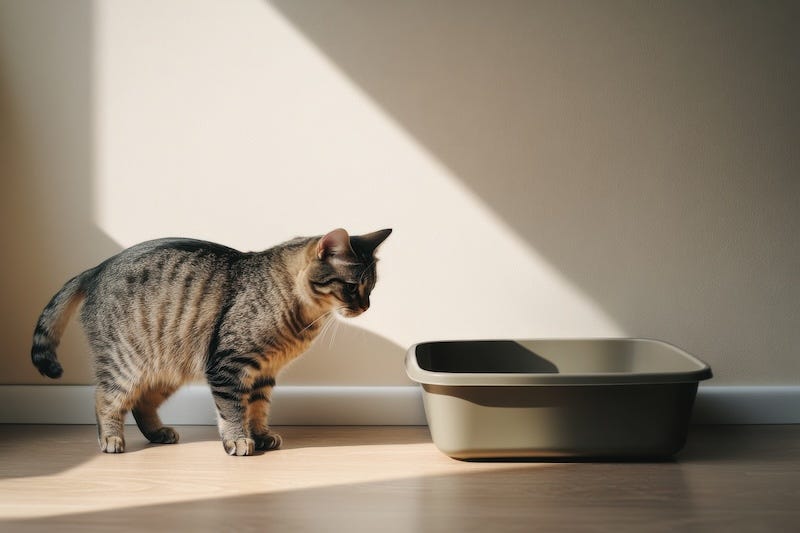
Cats are pretty stoic, but there are a few telltale signs of constipation in cats to watch for:
- Frequent trips to the litter box or litter box avoidance
- Digging or meowing in discomfort
- Producing only small, hard feces, or nothing at all
- Loss of appetite
- Lethargy
- Swollen belly
- Abdominal pain
- Blood in the stool
Obstipation vs constipation
Constipation is a condition where a cat will pass small amounts of feces or defecate less often.
Obstipation is a result of severe constipation, making it difficult or nearly impossible to defecate.
Constipation comes before obstipation. It is in your cat's best interest to address constipation before it progresses to constipation.
Cat not pooping - Common causes

Constipation in cats can happen for several reasons and are typically broken up into 3 categories: intraluminal, extraluminal, and intrinsic obstructions.
- Intraluminal obstructions are typically caused by something inside of the digestive tract; the colon is the most commonly affected area.
- Extraluminal obstructions are causes of constipation that are still inside of the feline’s body, but outside of the digestive tract.
- Intrinsic obstruction is caused by a disruption of the nerve and/or muscle communication of the digestive tract that results in a lack of movement of the poop.
Most common causes of a cat not pooping:
- Dehydration: Dehydration is one of the top reasons cats become constipated. If there isn't enough water available in the body, the stool will become hard, dry, and much more difficult to move through the colon. It is important to determine if your water situation is adequate for your cat. Some cats like running water from a drinking fountain while others like a wider bowl.
- Low fiber diets: Fiber helps keep stool soft and keeps the intestines healthy. It can also help with keeping more water in the intestines, which ultimately helps treat and prevent constipation. So lack of fiber can cause constipation.
- Dirty litter box: A dirty litter box or a box in a chaotic location can cause some cats to refuse to use it, effectively holding their bowel movements longer than they should. Similarly, not having enough litter boxes for multiple cats can cause litter box avoidance due to territorial stress. A self-cleaning litter box can be a good solution to both of these problems.
- Hairballs: Ingested fur can accumulate and form hairballs that contribute to blockages. Long-haired cats or frequent self-groomers often swallow a lot of hair. If it doesn’t come back up as a hairball, it can bind up the stool or even create a trichobezoar (hair mass) in the gut. This is why constipation and hairballs often go hand-in-hand.
- Lack of exercise: A sedentary cat may have a slower digestive transit. Movement and exercise help stimulate normal bowel movements. Overweight cats, in particular, might struggle with constipation because they tend to be less active, and the extra weight can physically compress the intestines.
- Stress and anxiety: If you have recently moved, changed the location of the litter box or type of litter, brought home a new pet, or a new person, it could result in increased stress for your cat. Avoid too many sudden changes and try to stick to a routine. Cats are creatures of habit after all.
More medically serious causes of cat constipation include:
- Colon blockages or growth
- Megacolon
- Inflammatory bowel disease
- Nerve problems
- Allergies
- Arthrytis
- Spinal or pelvic injury
- Chronic diseases such as kidney disease, diabetes, or hyperthyroidism
- Ruptured or impacted anal sac
- Some kinds of cancer
Let’s discuss some of these common causes in more depth.
Colon blockage or growths
Growths in the intestine or colon can also cause blockages. The term “growth” is very nonspecific; your veterinarian can perform a thorough physical exam and diagnostics such as radiographs, ultrasounds or needle biopsies to confirm the presence and severity of those growths. Growths or tumors can extend from within the digestive tract or outside of it. So it is important to work with your veterinarian to better understand the nature of any tumors or masses that may be affecting your cat’s ability to poop.
Megacolon
Megacolon is when your cat has an enlarged colon that causes severe constipation. This is a common cause of constipation in cats that can be chronically difficult—and costly—to manage. This condition may occur due to problems with the muscles that line the colon, neurological impairment, or both, making it an intrinsic obstruction. Management of this condition requires a close partnership with your veterinarian.
Spinal or pelvic injuries
Spinal injuries or pelvic fractures can lead to a narrowing of the pelvic canal and pain when your cat is trying to pass feces. These injuries can also damage the nerves that assist the colon in functioning properly. While these types of injuries are most likely to be the cause of a cat’s constipation, any injury could potentially make your cat not want to go to the bathroom. Pain, if severe enough, can be debilitating, and moving to go to the bathroom could be too much for your cat if not addressed.
In addressing these injuries, it is possible that your veterinarian may need to use anesthesia or other medications to help your cat. These medications can sometimes contribute to cats not wanting to poop, but rest assured that your veterinarian will be sure to provide you with any additional recommendations or medications to assist with that as well.
Obstipation symptoms - When it gets more severe
Obstipation is when severe or complete constipation occurs and your cat has a difficult time defecating. Symptoms of obstipation may include:
- Defecating infrequently or not at all
- Straining to defecate
- Hard and dry feces
- Defecating outside the litter box
- Small amounts of liquid stool with no mucus
- Blood in stool
- Vomiting
- Lack of appetite or depression
If you notice any of these symptoms, you should seek immediate medical attention from your veterinarian or local animal hospital.
How to get your cat to poop when constipated & home remedies
Cat not pooping? Here's what you can do to help.
Encourage hydration
Hydration is a common reason cats experience constipation. It’s important to make sure they have easy access to water.
Refresh your cat’s water bowl regularly or consider adding an extra water station. Some cats prefer running water, so a pet water fountain can entice them to drink more. Plus, a water fountain is a great way to keep them well hydrated and is easier than having multiple bowls of water all over the place.
Add fiber to your cat's diet
Because fiber assists in keeping the colon healthy and stool soft, adding more fiber to your cat’s diet can help get things moving. This may mean you need to change your cat’s food or talk to a vet to get advice on how to increase your feline's dietary fiber intake.
Simple dietary changes include transitioning to high-fiber kibble (this typically requires a prescription from your veterinarian), trying a pet water fountain to increase your cat’s hydration, or adding 1/2 teaspoon to 1 teaspoon of canned pumpkin to your cat’s diet daily.
Feeding your cat the right diet can play a crucial role in keeping your cat healthy. Consult with a vet to determine the best food option for your feline. Cats can suffer from digestive issues, diabetes, cancer, or other medical conditions that require a special diet to help address the issue.
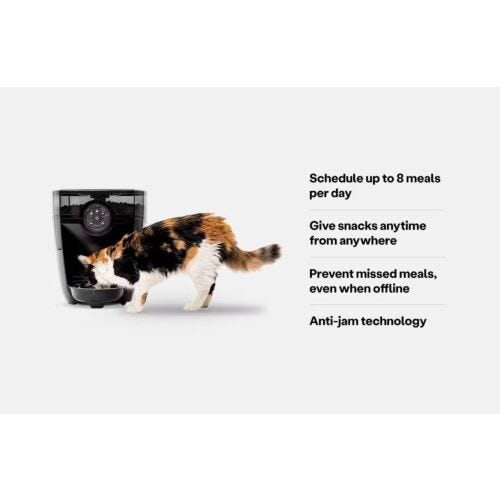
Additionally, try an automatic cat feeder to help automate your cat’s feeding schedule and monitor their eating habits.
Ensure the litter box stays clean
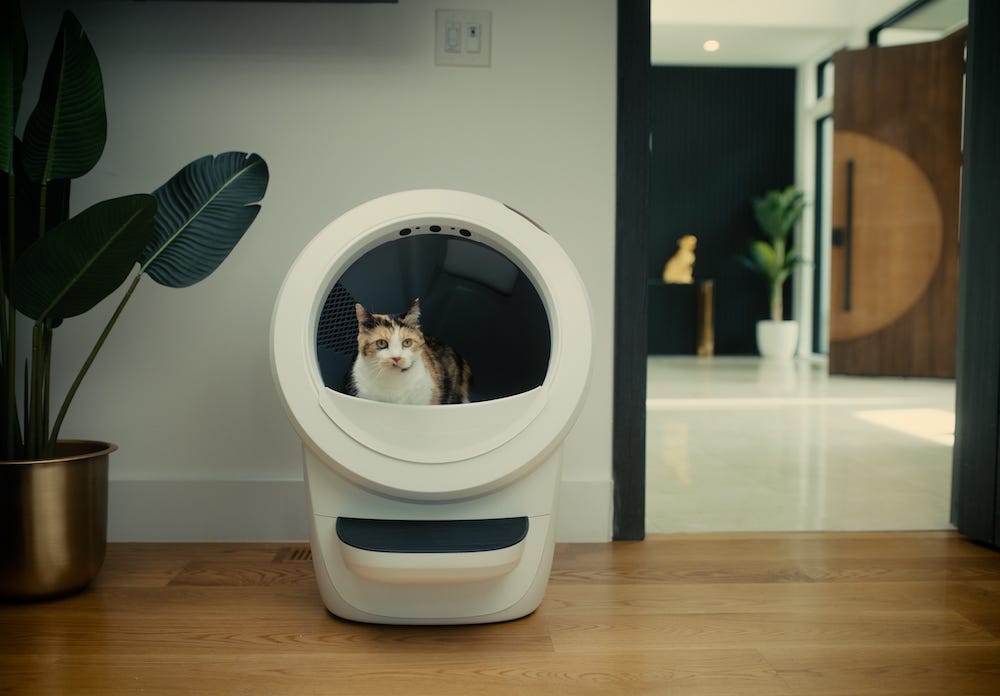
Many cat owners find that simply changing the litter box setup resolves constipation, so ensure the litter box situation is optimal first. Make sure the box is clean, accessible, and stress-free. Scoop daily (or more) so your cat always has a fresh spot to go. If you have multiple cats, provide multiple litter boxes (the general rule is one per cat, plus one extra box).
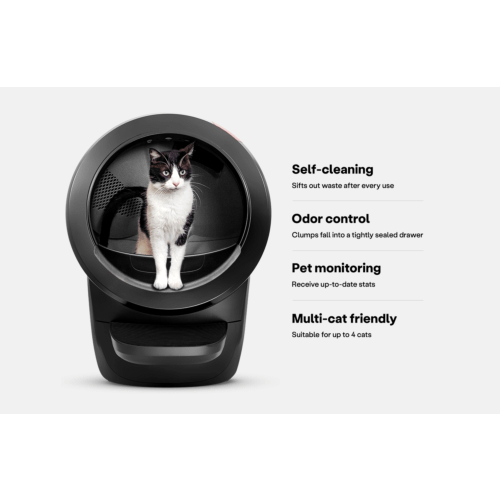
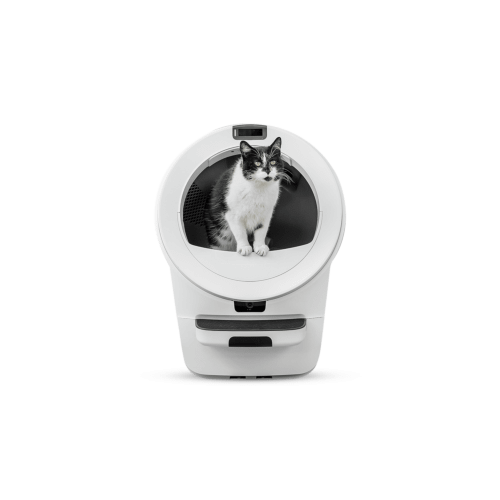
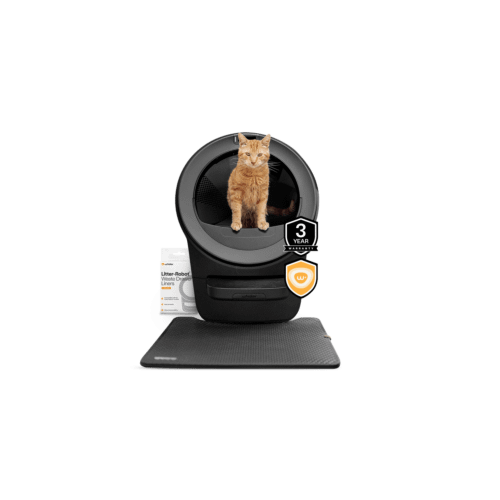
If your cat's litter box isn’t clean enough, you may think your cat is using the litter box regularly, when in reality they’re just finding someplace else to go. An easy way to combat a dirty litter box is to get your cat a self-cleaning litter box like Litter-Robot 4. Not only will you be able to give your cat a fresh bed of litter every time they go, you'll have the ability to monitor their litter box habits and weight right from your phone.
Groom and brush your cat regularly
Especially for long-haired cats, help them out by brushing frequently. This minimizes the amount of hair they ingest. Less hair swallowed means less risk of hairballs and blockages down the line. Many cats enjoy brushing once they’re used to it – it’s a nice bonding activity and a preventive healthcare step rolled into one.
Call the vet
While taking steps yourself to care for your cat's colon health is important, it's always a good idea to call your vet if you're noticing any serious signs of health problems such as straining to defecate, blood in the stool, dehydration, strange behaviors, or vomiting on top of constipation. If you’re wondering how long a cat can go without pooping, contacting your vet is always the best option for answers. You should see a veterinarian if:
- It’s been more than 2 days with no poop. As mentioned earlier, 48 hours is a tipping point. If dietary tweaks and hydration in that time haven’t yielded results, don’t delay getting vet advice
- Severe symptoms are present. Straining with no result for a long period, repeated vomiting, a painful or bloated abdomen, or the cat refusing all food are serious signs. Even if it hasn’t been a full two days yet, these symptoms merit an immediate vet visit.
- Your cat is very young or elderly. Kittens can decline quickly if they can’t eliminate (and may have underlying issues like a birth defect or lack of mother’s stimulation), so even one day of no poop in a young kitten is cause to call the vet. Elderly cats can also become dehydrated faster or have complicating issues, so err on the side of caution.
- This is a recurrent problem. If your cat has been constipated multiple times in a short span, a vet visit is warranted to investigate possible chronic causes or to prescribe a long-term solution.
Try a mild laxative
Safe laxatives like oral psyllium products (such as Metamucil, 1-4 teaspoons per meal) can be mixed into canned food, although not all cats will eat this mixed in their food. Another option is the laxative MiraLAX® (polyethylene glycol); this can be given at ¼ teaspoon every 12 hours as a starting point, but can be increased based on guidance from your veterinarian. It is best to check in with your veterinarian prior to giving your cat any over-the-counter medication to ensure appropriate dosing and frequency before deeming a treatment option unsuccessful.
Never give an over-the-counter enema to your cat without consulting your veterinarian.
Cat not pooping but acting normal
If your cat hasn’t pooped 2 days but is still eating, playing, and behaving normally, it might not be cause for immediate concern but it’s worth keeping an eye on.
- Observe behavior and litter box use closely. Your cat may still be visiting the litter box without producing a stool. Repeated unproductive trips can indicate early constipation.
- Stay on top of hydration and diet. Make sure your cat has fresh water at all times and is eating their regular food.
- Look for early warning signs. Normal behavior doesn’t always mean normal digestion. Watch for small changes like reduced appetite, slight bloating, or straining during elimination. These can appear before your cat shows distress or stops eating.
- Keep the litter box clean. Cats can sometimes hold their stool if they’re uncomfortable using their litter box. Ensure the box is clean, placed in a quiet area, and that you have enough boxes if you have multiple cats. A self-cleaning litter box can help you easily track your cat’s bathroom activity.
If your cat hasn’t pooped in 3 days or for more than 72 hours, you should consult your veterinarian even if they seem normal. Constipation can escalate quickly, and your vet can check for dehydration, underlying conditions, or early signs of blockage before it becomes severe.
Stay on top of your cat’s colon health
So, how long can a cat go without pooping? Now you know you aren’t powerless when it comes to keeping your pet’s bathroom habits healthy. Stay on top of your cat’s litter box habits with Litter-Robot! You’ll be able to monitor how often your cat is using the litter box right from your phone with the Whisker app and take the hassle out of scooping the litter box daily.
Sources: