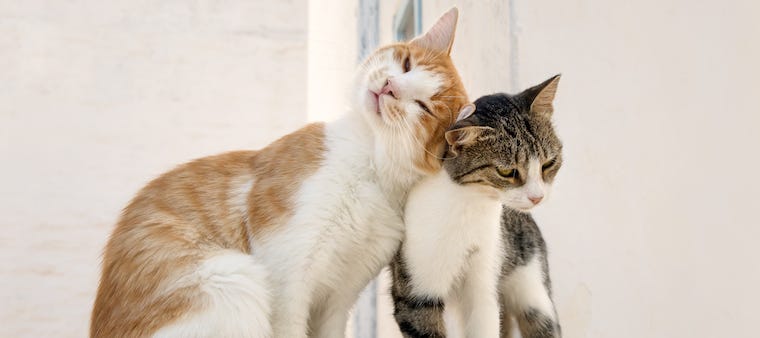


Living with multiple cats can make for a fun household, but it also means navigating complex social dynamics that come with sharing space, food, litter boxes, and attention. Even if your cats generally get along, resource competition can pop up in subtle (or obvious) ways. Understanding why it happens — and how to manage it — helps keep the peace and creates a healthier, happier home for everyone.
Why resource competition happens
Cats may seem independent, but they have deeply rooted instincts that influence how they behave around other cats.
Territorial instincts
Cats are naturally territorial animals. When space feels limited or is poorly arranged, one cat may try to claim key resources such as food bowls, litter boxes, or favorite resting spots.
Jealousy
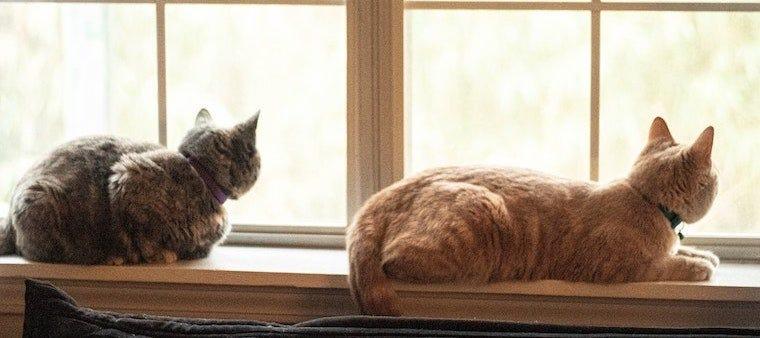
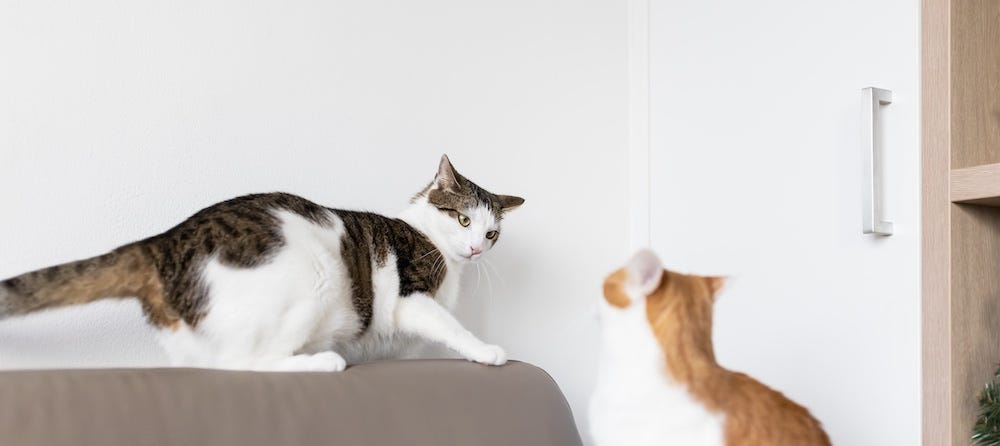
If one cat consistently gets more attention, access to windows, or preferred sleeping spots, another may show jealousy through blocking behaviors, swatting, or passive-aggressive body language.
Resource guarding
Some cats guard valuable items — food, toys, or even certain people — by hovering nearby, staring, growling, or physically blocking access. This can happen even in otherwise “friendly” multi-cat homes.
Power dynamics & stress
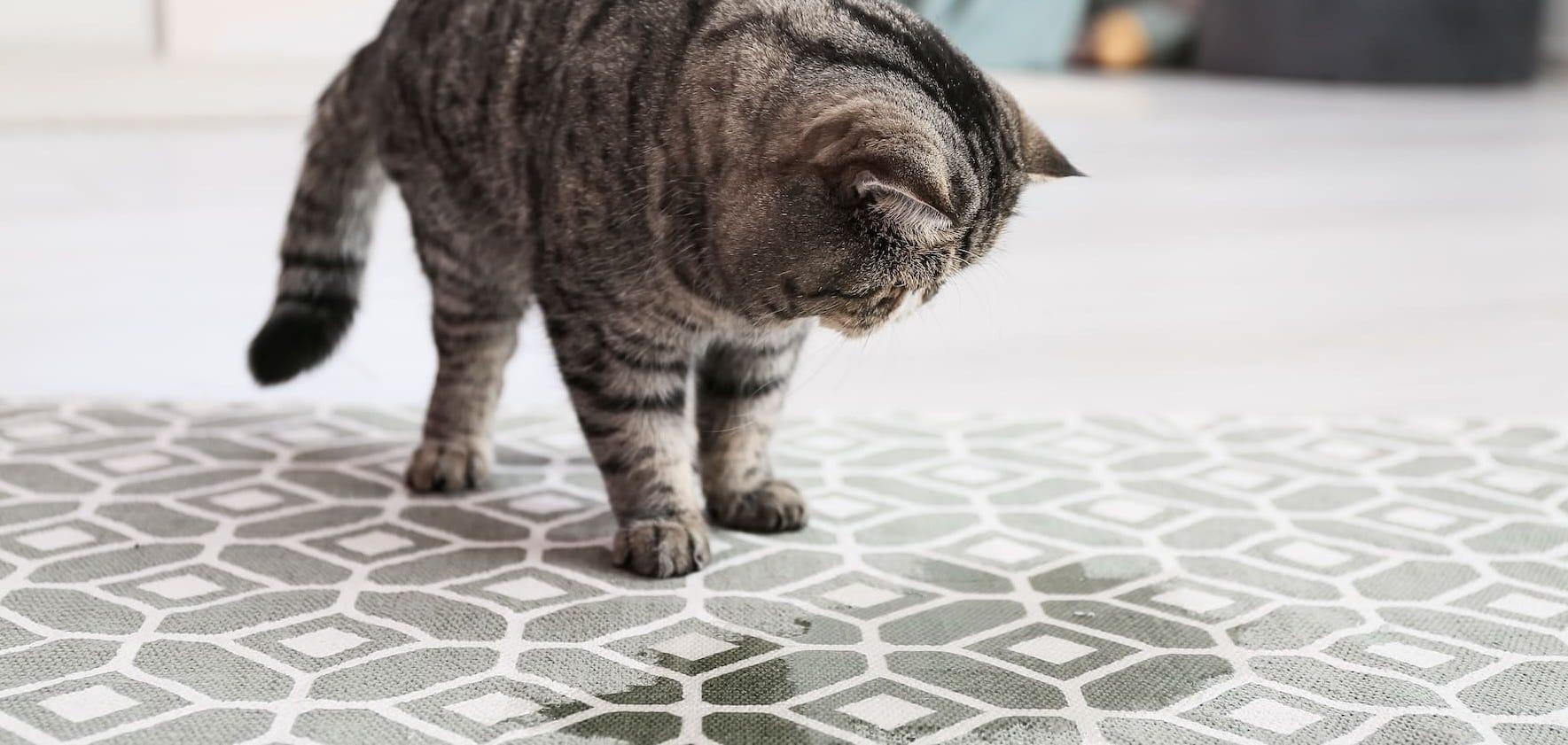
Cats establish a hierarchy, but stress can shift those dynamics. When one cat feels unsafe or overwhelmed, it may escalate to aggression, hiding, or behavioral issues like peeing outside of the litter box. Over time, chronic stress affects health and overall well-being, making prevention and management key.
How to set up a home for multiple cats
A thoughtful environment is one of the most effective ways to reduce guarding behaviors, improve cleanliness, and maintain harmony with multiple cats. Small layout changes can make a big difference.
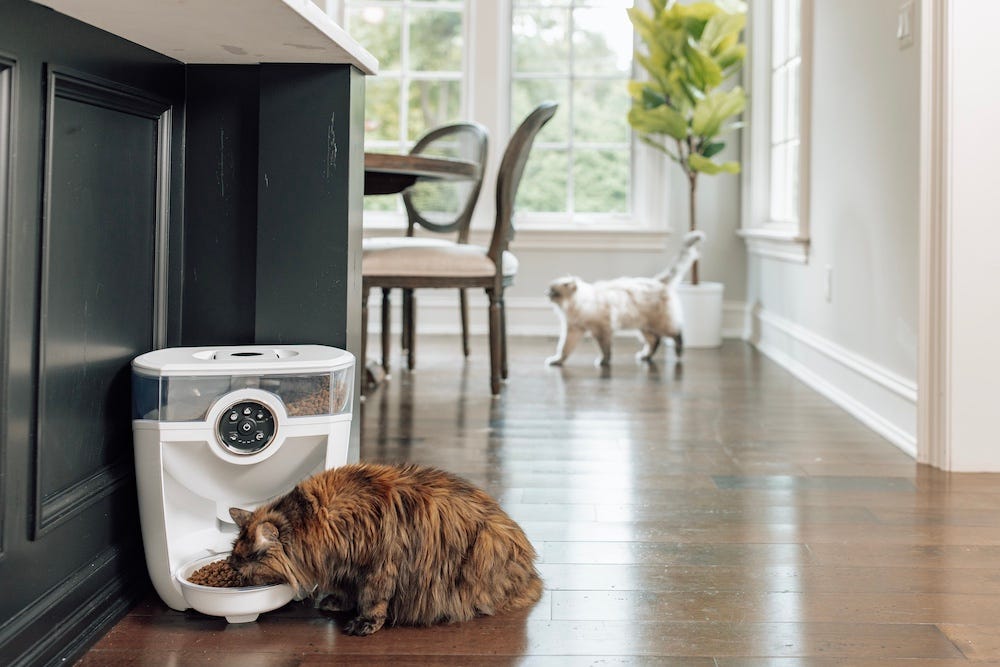
Food and water
Cats are more comfortable eating when they don’t feel threatened or watched.
- Provide separate bowls and feeding stations so cats can’t guard or ambush each other. Place them out of direct sightlines to reduce tension.
- Keep feeding routines predictable, since unpredictability can heighten competition.
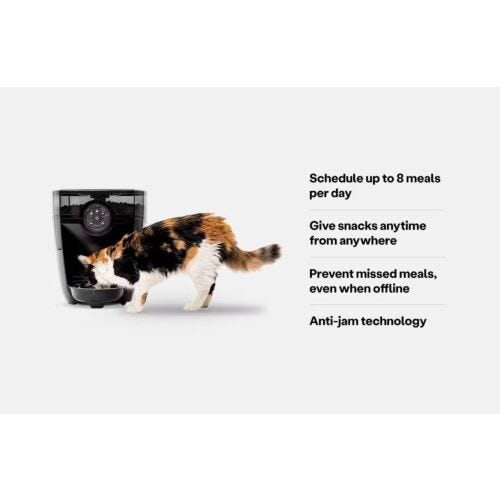
- Use automatic food dispensers when one cat needs portion control or timed meals without others interfering.
- Spacing matters: Leave several feet between bowls, or place stations in different rooms, corners, or elevated levels. Even a hallway split or opposite sides of the kitchen work well.
- Add multiple water sources so one cat can’t monopolize access.
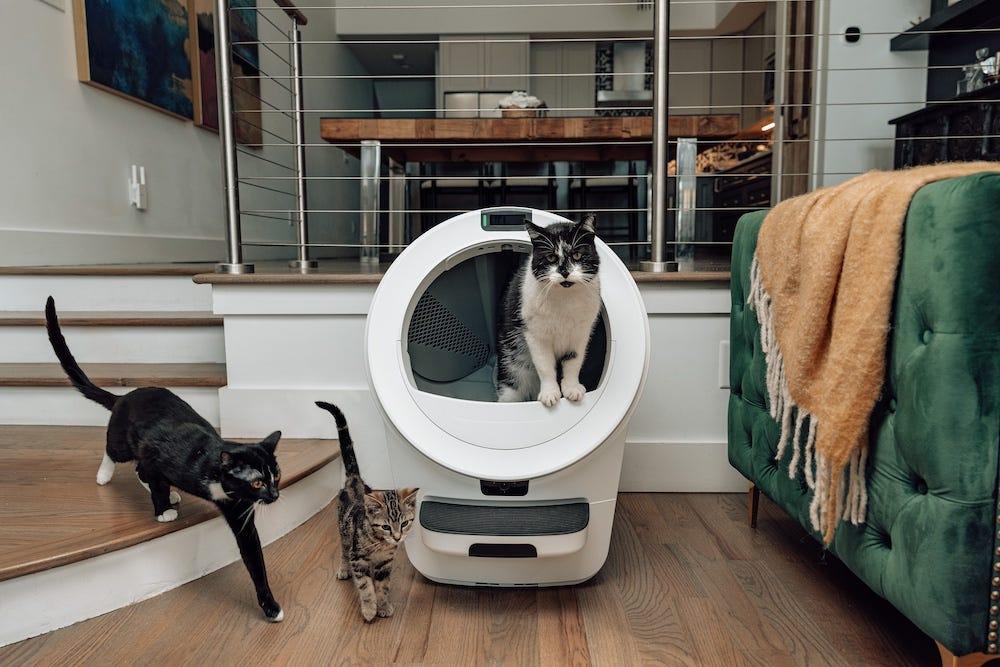
Litter boxes
Resource competition around litter boxes is extremely common, especially in tight spaces.
- Follow the “n+1” rule: one box per cat, plus one extra.
- Distribute boxes in separate, easily accessible areas — not lined up side by side. Cats see those as “one big box,” which doesn’t solve guarding.
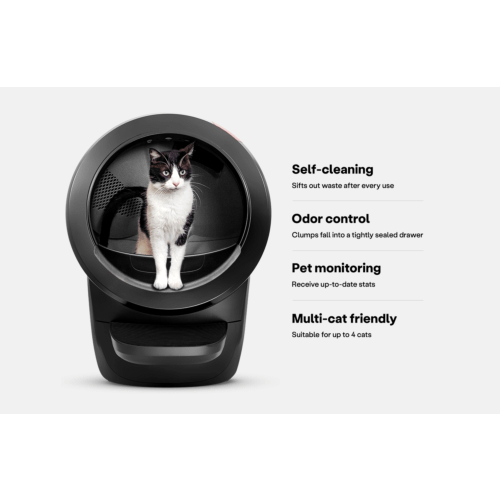
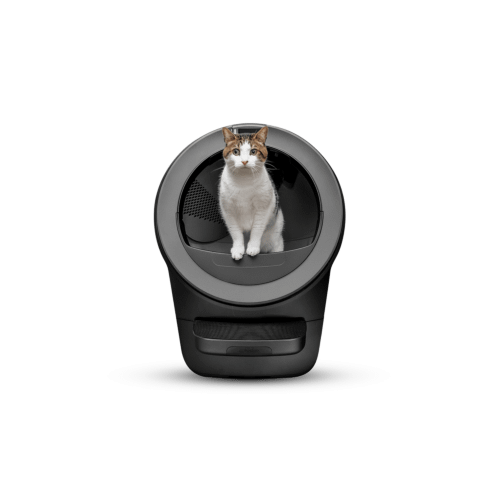
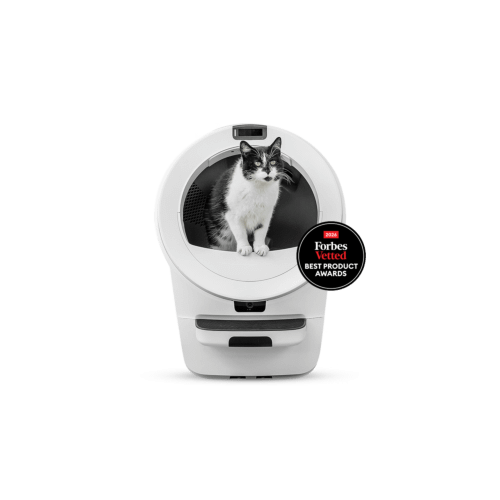
- A self-cleaning litter box, like Litter-Robot, helps reduce smells and keeps boxes consistently clean, making them more appealing and lowering competition for the “cleanest” box.
- Consider placement such as opposite ends of the home, near but not inside busy hallways, or in quiet corners where a cat can’t get trapped from behind.
Resting areas
Rest is just as important as food and litter access, and lack of comfortable spots often fuels tension.
- Provide multiple perches, beds, and hiding places so each cat has choices.
- Mix high and low spaces: window hammocks, top-of-shelf spots, cubbies, and soft blankets under furniture.
- Spread these resting areas throughout the home so no single cat controls all the prime real estate.
Toys and enrichment
A mentally and physically stimulated cat is far less likely to guard resources.
- Rotate toys to keep play interesting and prevent one cat from “owning” everything.
- Incorporate vertical enrichment, such as cat trees, shelves, or climbing walls, so cats can escape or observe from above.
- Offer both solo toys (track balls, tunnels) and interactive playtime so no cat feels neglected.
Signs your cats are competing for resources
Resource competition isn’t always dramatic. Many signs are subtle but important to catch early.
- One cat avoiding certain rooms or the litter box, especially after being chased or intimidated.
- Increased hiding, hissing, swatting, or staring.
- Overeating, marking, or inappropriate elimination, often due to stress.
- Silent standoffs, where one cat blocks doorways, staircases, or access to essentials.
If you notice any of these behaviors, it’s likely your cats don’t feel fully secure in their shared space.
How to get cats to get along
You can’t force cats to love each other, but you can foster a peaceful home through thoughtful management.
- Make resources abundant, not scarce — more bowls, more litter boxes, more beds.
- Create escape routes and vertical pathways so no cat feels trapped.
- Offer equal attention during play, petting, and feeding.
- Use scent swapping (shared blankets, brushing with the same brush) to reduce tension.
- Reintroduce slowly if conflict escalates: feeding across a closed door, then a baby gate, before supervised interactions.
Managing multiple cats comes down to understanding their instincts and creating a home where every cat feels safe accessing food, water, litter boxes, and cozy resting spots. With the right setup — and a keen eye on subtle signs of stress — you can reduce resource guarding and help your cats coexist more peacefully. A little structure goes a long way in creating a harmonious, low-stress multi-cat household.
Source: Social Behavior of Cats