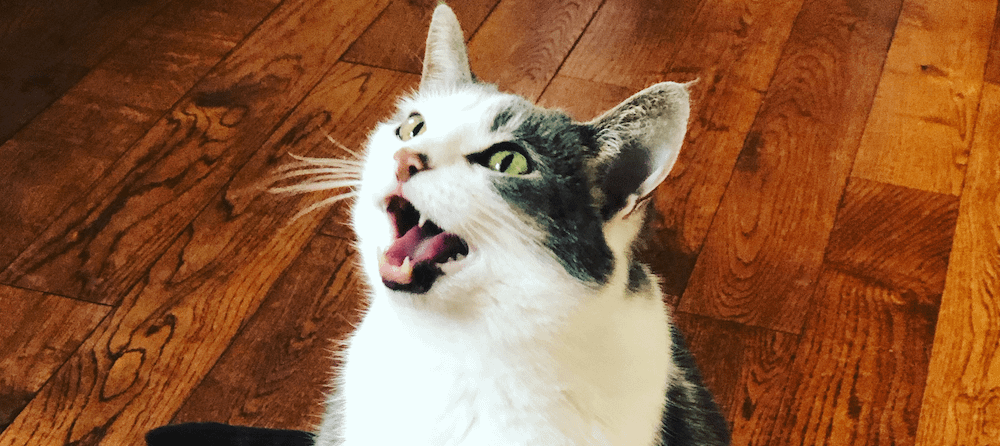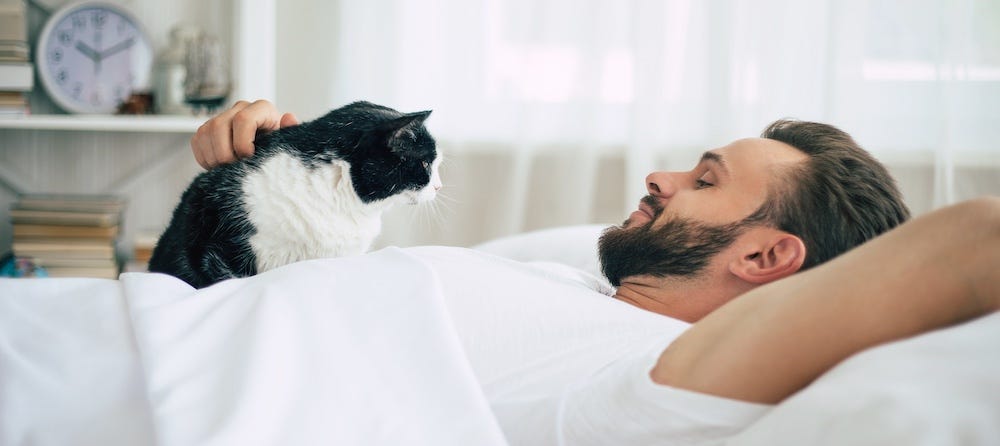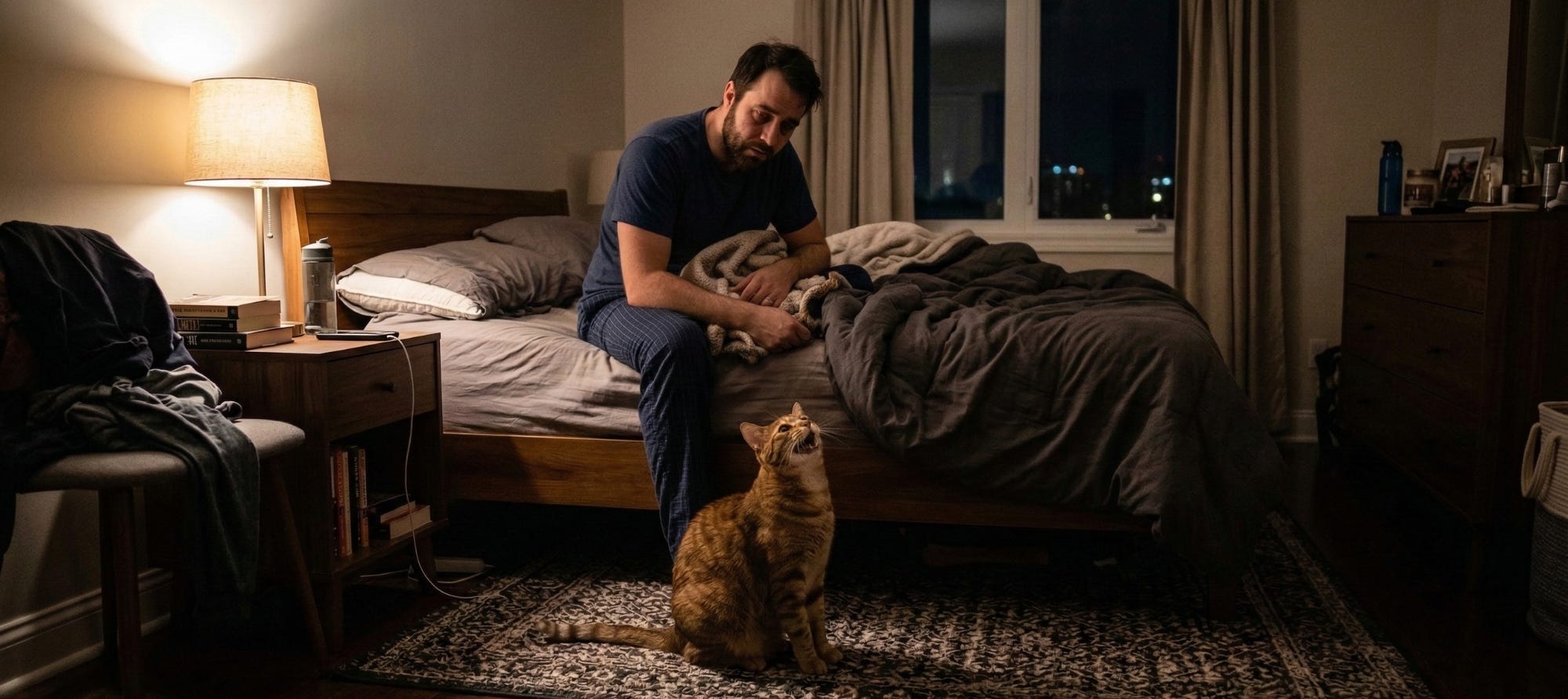


Few things are more frustrating than finally crawling into bed, only to hear your cat start meowing at night. Whether it’s soft chirps at your door or full-on yowling down the hallway, nighttime vocalizing can leave everyone exhausted.
The key is figuring out why it’s happening. Once you understand the cause, it’s much easier to fix.
Why is my cat meowing at night?
If you’re wondering why your cat is meowing at night, there are a few common reasons.
Crepuscular instincts (dawn/dusk activity)
Cats are naturally crepuscular, meaning they’re most active at dawn and dusk. While you’re trying to sleep, your cat may feel like its prime hunting time. That burst of 4 a.m. energy isn’t personal, it’s instinct.
Hunger or “learned” feeding demands
If you’ve ever gotten up and fed your cat after nighttime meowing, they may have learned that vocalizing works. Cats are smart. If meowing equals breakfast, they’ll repeat it.
Boredom or under-stimulation
Indoor cats who nap most of the day often have leftover energy at night. Without enough enrichment, toys, or playtime, that energy turns into vocalizing.
Loneliness or attention-seeking
Some cats simply want interaction. If the house goes quiet and doors close, your cat may call out for company, especially if they’re used to sleeping near you.
Stress or environment changes
A new pet, a move, a shift in your work schedule, or even rearranged furniture can trigger nighttime meowing. Cats thrive on routine, and discontentment with disruption can show up after dark.
Heat
If your cat is not spayed, nighttime yowling may signal heat. This type of vocalization is often louder, more urgent, and persistent. They also tend to pace by doors or windows and spend much time looking outside as they are scheming to find a mate.
Why is my cat meowing so much all of a sudden
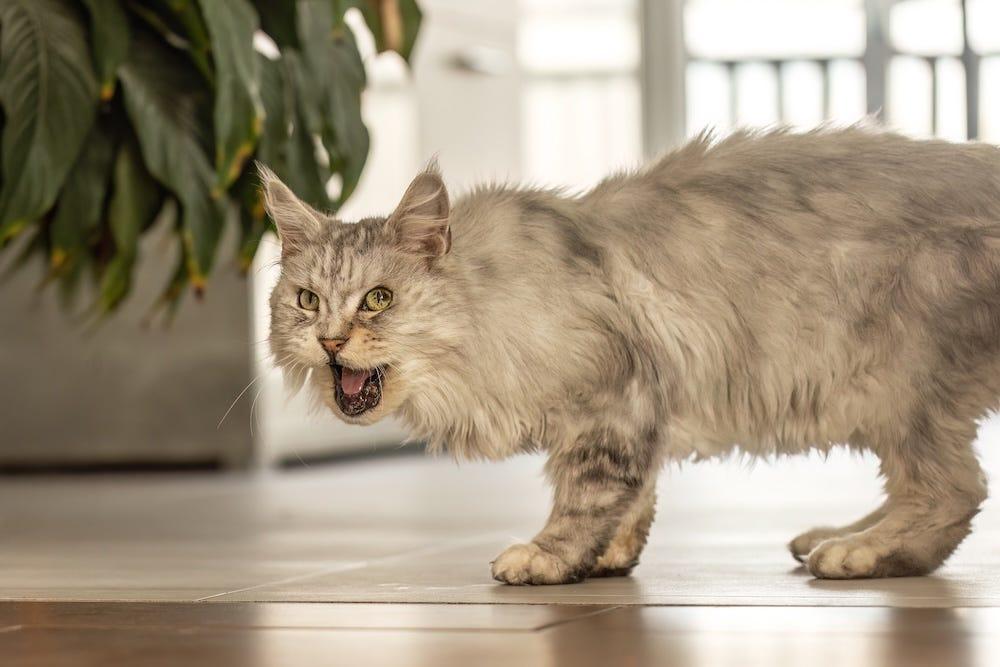
When a usually quiet cat starts vocalizing constantly, it’s important to pause and assess. Check if these sudden changes come with other symptoms, such as:
- Appetite changes (eating more or less than usual)
- Change in litter box habits (frequent trips, straining, or avoidance)
- Mobility issues (hesitation to jump, stiffness)
- Hiding behavior
- New aggression or clinginess
If any of these are included with your cat’s yowling, it may be time for a vet visit. Some health issues that should be ruled out can include:
- Pain or injury
- Urinary tract problems
- Hyperthyroidism (common in seniors)
- Kidney disease
- Cognitive changes in older cats
Finding the root cause
Where your cat is meowing and what the meows sound like can both offer clues as to why.
Based on location
- If your cat is meowing at your bed or bedroom door, they are likely attention-seeking or a routine of nighttime access
- If your cat is meowing in the kitchen, then it might be food related. Feeding schedule issue, consider shifting dinner later or using an automatic feeder
- Wandering and seeming confused could signal senior cognitive changes or a medical concern
- Howling from one spot may indicate heat, stress, or pain
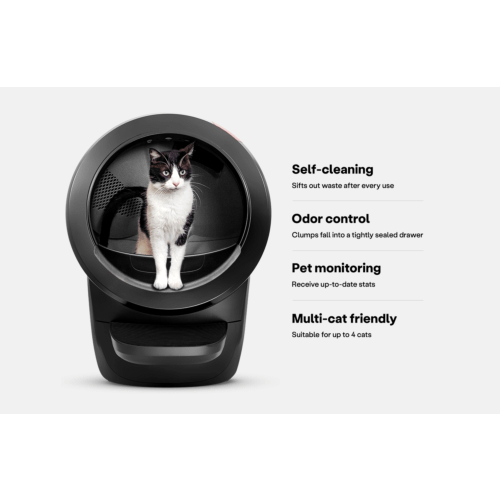
- If your cat is meowing near the litter box, check for cleanliness or watch for urinary issues.
Based on the sound
Did you know that there are at least 21 documented vocalizations by the feline species? With this large repertoire of sounds, cats truly can and do try to communicate different things with their various meows.
- Short meow – Often a greeting or request
- Yowl or howl – Louder, drawn-out, often linked to heat, stress, or discomfort
- Chirp or trill – Excited or attention-seeking
- Low, repetitive crying – May signal anxiety or medical discomfort
How to get a cat to stop meowing at night
Once you know the cause of your cat’s meowing, you can respond accordingly.
Step by step guide
- Don’t reinforce nighttime demands. If your cat meows and you immediately feed or play, you’re teaching them it works.
- Create a consistent evening routine. Feed, play, and wind down at the same time each night.
- Increase daytime enrichment. Puzzle feeders, climbing spaces, window perches, and interactive play sessions help burn energy before bedtime.
- Add a pre-bed play session. A 10 to 15 minute active playtime followed by a meal mimics a hunt-eat-sleep cycle.
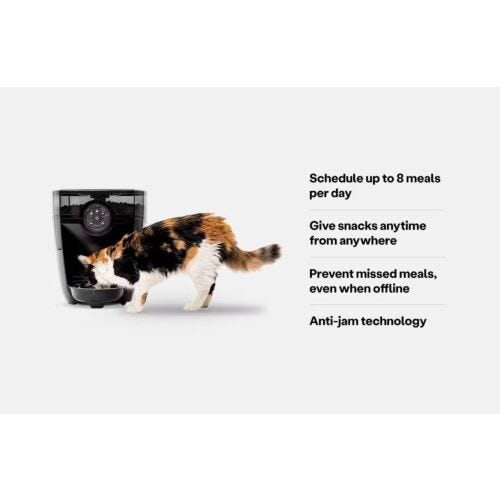
- Use automatic feeders if hunger is the trigger. A timed early-morning meal can break the “wake the human” habit.
- Schedule an appointment with your veterinarian to ensure that there’s not a medical component to the meowing.
How to stop a cat in heat from meowing at night
Heat vocalizations (often called caterwauling) sound loud, drawn-out, and urgent. A few ways to help include:
- Keeping your cat indoors
- Closing windows and doors to reduce outside triggers
- Increasing playtime and calming routines before bed
- Considering veterinarian-recommended pheromone products
- Schedule an appointment to get your cat spayed—no heat cycle equals no caterwauling
The long-term solution is spaying your cat. Talk to your vet about the right timing. If the cat isn’t yours, but rather a feral cat, contact local trap-neuter-return programs to help address the issue humanely.
If it’s an outdoor cat
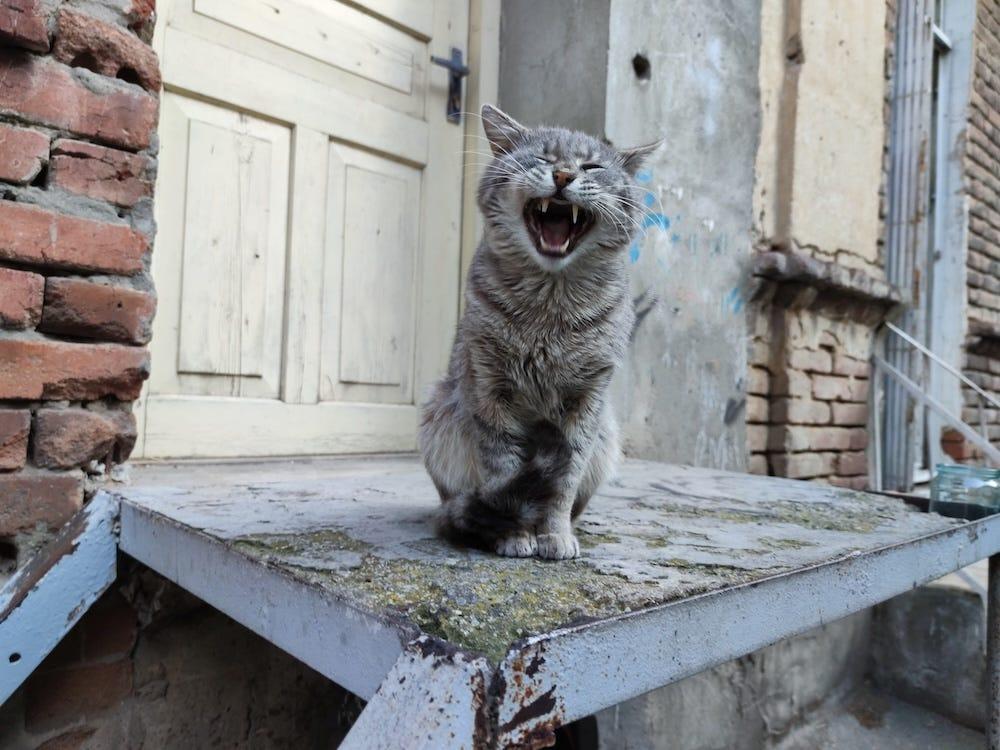
If a neighborhood cat is meowing outside, there are a few options:
- Don’t feed or engage with it (this encourages repeat visits and more vocalizing)
- Block access to favored hangout spots
- Use humane scent deterrents if needed
What NOT to do
- Don’t feed your cat just to “make it stop”
- Don’t punish, yell, or spray with water, this only increases stress
- Don’t ignore daytime boredom and expect quiet nights
Nighttime meowing can feel overwhelming, especially when you’re running on little sleep. But in most cases, cat meowing at night has a clear cause, whether it’s instinct, boredom, hunger, stress, or a medical issue. Once you identify the reason and respond consistently, the noise usually improves. And if the behavior feels sudden or unusual, a quick vet check can give you peace of mind and help everyone rest easier.
FAQ
Should you crate your cat at night?
Crating isn’t typically recommended unless advised by a vet. It doesn’t solve the underlying reason for nighttime vocalizing.
Why does my cat only meow at night?
Cats are naturally more active at dawn and dusk, so nighttime often aligns with their internal clock.
Should I ignore my cat meowing at night?
If you’ve ruled out medical causes and basic needs are met, ignoring attention-seeking meows can help break the cycle. Just be consistent.
How long does it take to stop nighttime meowing?
With routine changes, most behavior improves within a few weeks. Medical or heat-related causes require treatment to fully resolve, though.
Is nighttime meowing a sign of illness?
Sometimes. Sudden, intense, or distress vocalization, especially with behavior changes, should be evaluated by a vet. If you’re unsure and would like peace of mind, it's worth scheduling an appointment with your veterinarian.
Sources:
- Feline vocal communication
- Caterwauling in Cats
- Cognitive Dysfunction in Cats: Update on Neuropathological and Behavioural Changes Plus Clinical Management
- Cat Behavior Problems - Vocalization