

So there you are, minding your business while your cat does theirs in the litter box. Everything seems normal. Peaceful, even. Then, you lock eyes, and without warning, the vibe shifts.
Their pupils? Fully dilated. Their back? Arched like a Halloween decoration. Their chill? Set to zero. It’s like they dropped more than a #2. They dropped all sense of reason.
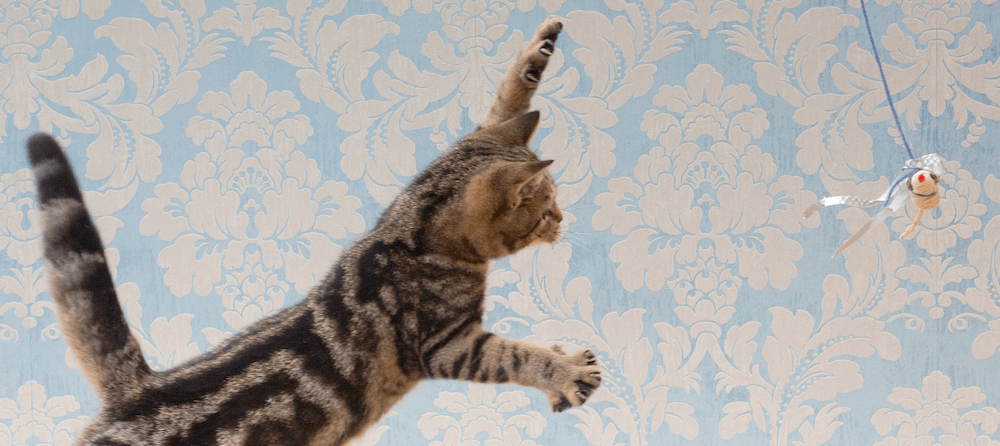
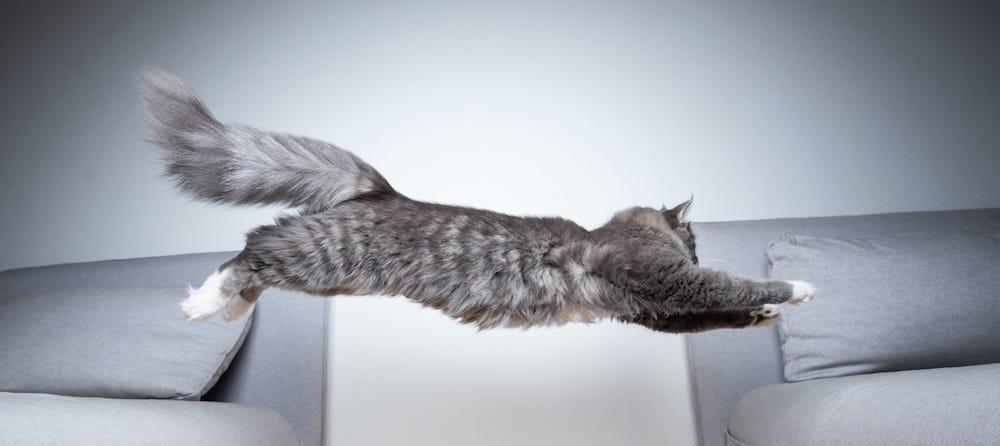
Before you know it, they’re blasting through the house like a tiny, furry rocket, parkouring off furniture, Tokyo-drifting across floors, and defying the laws of physics.
If you’ve ever witnessed this, congrats: you’ve experienced the legendary “cat zoomies.” It’s hilarious, confusing, and maybe just a little bit concerning (like in a “should I be impressed or call someone?” kind of way).
So what’s the deal? Why does a simple bathroom break turn your dignified little loaf into a turbo-charged chaos gremlin? We turned to science and leveraged our expert understanding of cat nonsense to uncover it all.
What are cat zoomies?
To get to the bottom of this post-poop phenomenon, let’s start with a basic understanding of standard cat zoomies. Zoomies have a special, scientific name: frenetic random activity periods (FRAPs). Despite them feeling like a spectacle or like your cat is glitching, they’re actually totally normal* feline behavior.
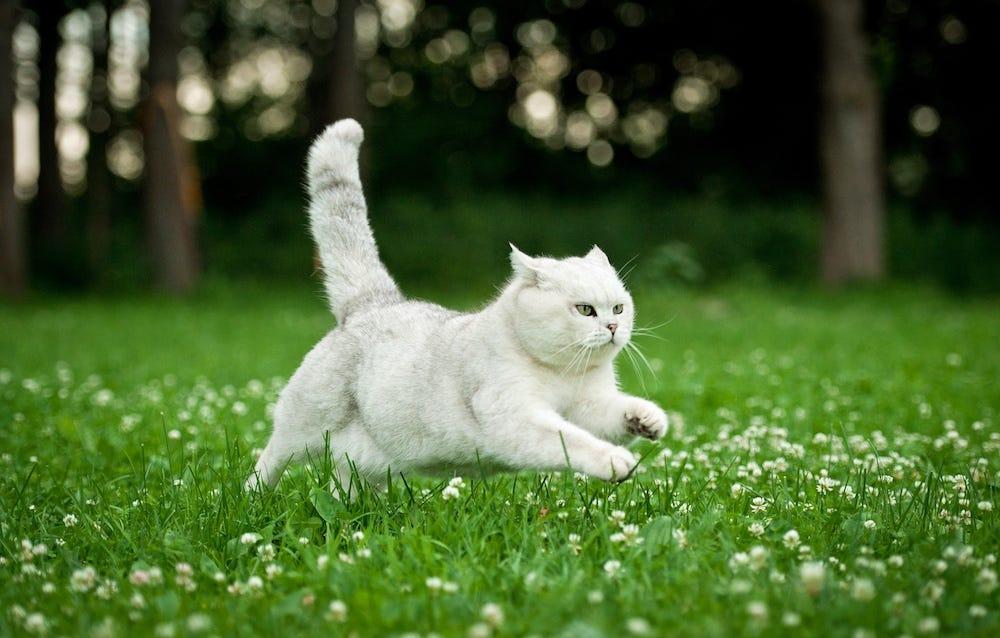
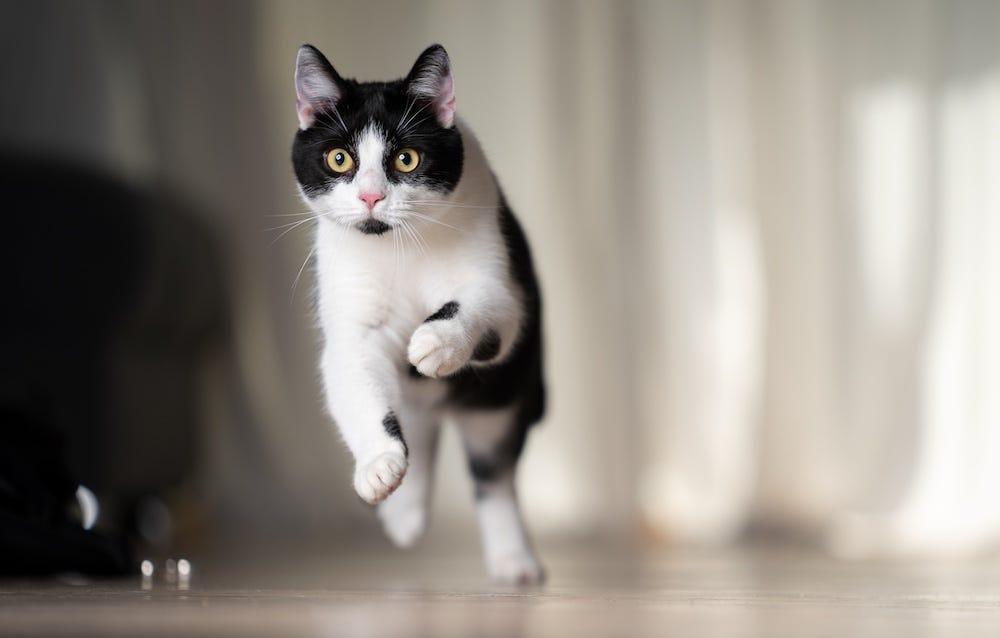
Zoomies can look like sudden, full-body bursts of energy. Think random sprints from one side of your home to another, little sideways hops or pounces at nothing, vocalizing at nothing, and jumping to attack, you guessed it, nothing.
*As normal as cat behavior can be.
Why do cats get the zoomies?
Even though cats are arguably the most special and unique animals in existence, other creatures experience zoomies, too (dogs, elephants, rabbits, etc.).
While there isn’t a concrete reason, most experts chalk it up to a way for them to release built-up energy. High-energy cat breeds also tend to get the zoomies more frequently.
Nocturnal zoomies
It’s all fun and games until it’s 3 A.M. and you’re trying to sleep. If you experience cat zoomies at night, you can thank (or curse) Crepuscular Rhythm: a biological pattern where an animal is most active during the twilight hours of dawn and dusk. It’s also what prompts many cats to meow the night away without care for your much-needed sleep.
Beyond their animal kingdom instincts, their nighttime chaos can stem from late naps, boredom, and an inconsistent play or feeding schedule. Late-night zoomies can be more intense during kittenhood or adolescence, but let’s be honest, they probably won’t grow out of it.
Cat zoomies after pooping
So, why do cats get zoomies after pooping? Besides the obvious release, there are a few more reasons for this “Poophoria.”
Relief
In more scientific terms, when a cat poops, it stimulates a nerve in its body called the Vagus nerve, which runs from the brain throughout the digestive tract and can result in a euphoric feeling. Translation? Your cat can feel relief after a successful #2, and might feel like celebrating with a sudden burst of energy.
Instinct
Cats are naturally wired to avoid the smell of their own bathroom business, hence the immediate burial of it. In the wild, that scent can attract predators. So if you’re wondering “why do cats run after they poop?”, it’s possible they think danger is lurking or that they smell another animal’s scent (even though it’s actually theirs.) Either way, your cat’s gut reaction is to put some distance between themself and the evidence.
Routine
As quirky and unpredictable as cats are, they’re also very habit-driven. So when something happens the same way over and over, it can actually become a part of their little routine. If your cat usually uses the litter box and then feels a burst of relief or energy afterward, those post-poop zoomies can become automatic. It’s like how some cats get excited right before mealtime or right after you wake up. Once a behavior gets linked to a specific moment in their day, they just roll with it, even if the original reason isn’t as strong anymore.
Discomfort
If you notice sudden cat zoomies after pooping that feel unusual to their normal behavior or routine, it might be because pooping feels uncomfortable. It’s a good idea to keep a watchful eye for signs of diarrhea, straining, unusually hard stool, or blood in the stool or urine.
When to worry about zoomies (especially after pooping)
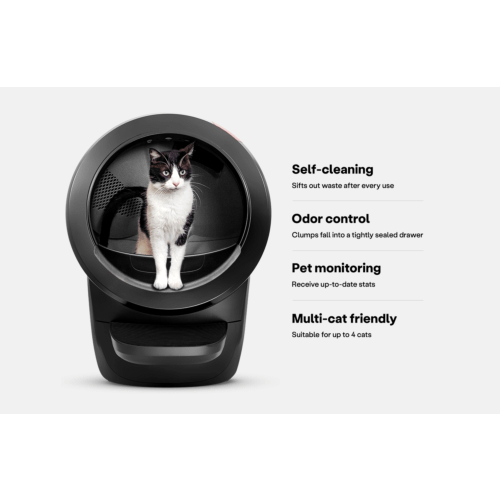
Although post-poop zoomies are usually hilarious and harmless, they can sometimes signal a change in your cat’s behavior or wellbeing. That’s why it’s important to look beyond basic litter box habits. Automatic litter boxes like Litter-Robot help you stay fully in the know with advanced features like real-time insights into your cat’s bathroom activity, an integrated camera that shows who did what and when, and WasteID technology that distinguishes between #1 and #2—so you can keep a closer eye on their behavior without the guesswork.
Post-poop zoomie green flags
- Sudden burst of energy right after pooping
- Tail up, alert, or playful behavior
- No signs of pain during or before pooping
- Normal stool (well-formed, not too hard or runny)
- Cat returns to “normal” afterward
Post-poop zoomie red flags:
- Straining
- Crying during their bathroom visit
- Repeated trips with little output (could indicate constipation)
- Diarrhea
- Blood
- Excessive licking under tail
- Sudden litter box avoidance
- Hiding
- Lethargy
If you notice any of these concerns, call your veterinarian promptly to schedule a visit.
How to calm the post-poop zoomie chaos
The zoomies might have been cute at first, but if they’re starting to feel a little out of control, it could be time for a change. One simple place to start is upgrading your cat’s litter box setup to make it more comfortable and stress-free.
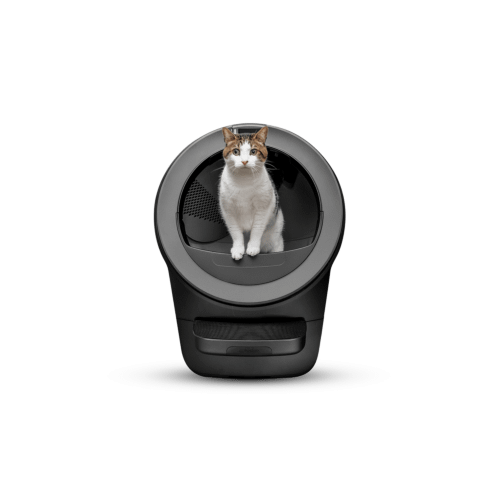
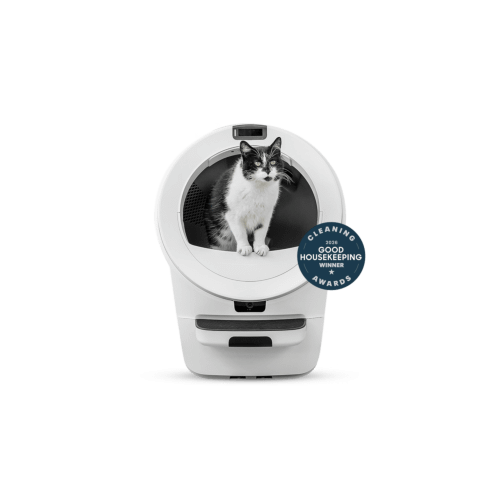
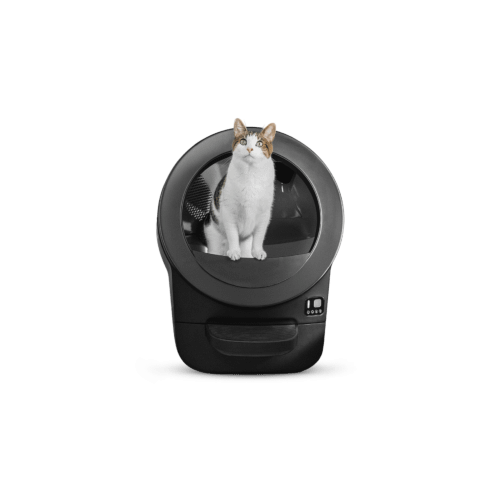
Depending on your cat’s size, Litter-Robot offers a roomier, quieter, and more private experience, with extra headroom and a fresh bed of litter after every visit. Its self-cleaning design helps maintain a consistently clean space, and since it can be placed almost anywhere in your home, it’s easy to create a calmer environment for your cat.
Vet visit prep
If you suspect any pain or concerning changes in your cat’s routine, going to a visit prepared can make a big difference. Your vet will rely heavily on what you’ve observed at home.
What to note before the visit:
- Stool consistency: normal, hard/dry (possible constipation), soft, or watery (possible diarrhea)
- Frequency: how often your cat is pooping (more or less than usual)
- Straining or difficulty: any signs of effort, discomfort, or vocalizing
- Behavior changes: zoomies vs. hiding, restlessness, aggression, lethargy
- Video clips: short recordings of litter box behavior or post-poop zoomies can be very helpful
- Diet changes: new food, treats, or reduced appetite
- Hydration: drinking more or less than usual
- Stressors: recent changes like moving, new pets, guests, or routine shifts
What your vet might ask:
- When did the behavior start?
- Has your cat had previous digestive or litter box issues?
- Any history of anal gland impaction or similar problems?
- What exactly does the stool look like (color, shape, presence of blood or mucus)?
- Is your cat urinating normally, too?
- Any vomiting, weight loss, or appetite changes?
- What does their daily diet look like (brand, wet vs. dry, treats)?
- Any recent environmental or household changes?
Bringing clear observations (and even a quick video) can help your vet pinpoint whether it’s something minor or something that needs treatment much faster.
Conclusion
Cats: mysterious, majestic, and occasionally powered by poop—amirite? What starts as a routine bathroom break can somehow trigger a full-blown 007 scene starring your furniture.
But beneath the chaos, there’s (usually) nothing sinister going on, just a mix of biology, instinct, and your cat being their loveable, unhinged self. As long as their habits are healthy and the only thing getting hurt is your dignity as you watch them ricochet off the couch, you’re in the clear.
So embrace it. Respect it. Maybe even clear a runway.