

When it comes to cats, size doesn’t always matter—at least not when it comes to square footage. While a sprawling home might sound ideal, most cats are perfectly content in smaller spaces as long as their environment meets their needs for comfort, play, and privacy.
How much space does a cat need?
Most cats thrive with around 18 to 20 square feet of personal space, but what truly matters isn’t the size of your home — it’s how that space is used.
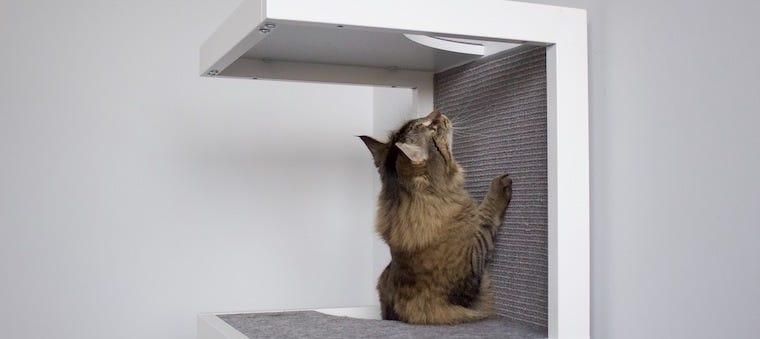
Vertical areas, hiding spots, and cozy nooks can make even a studio apartment feel like a feline playground.
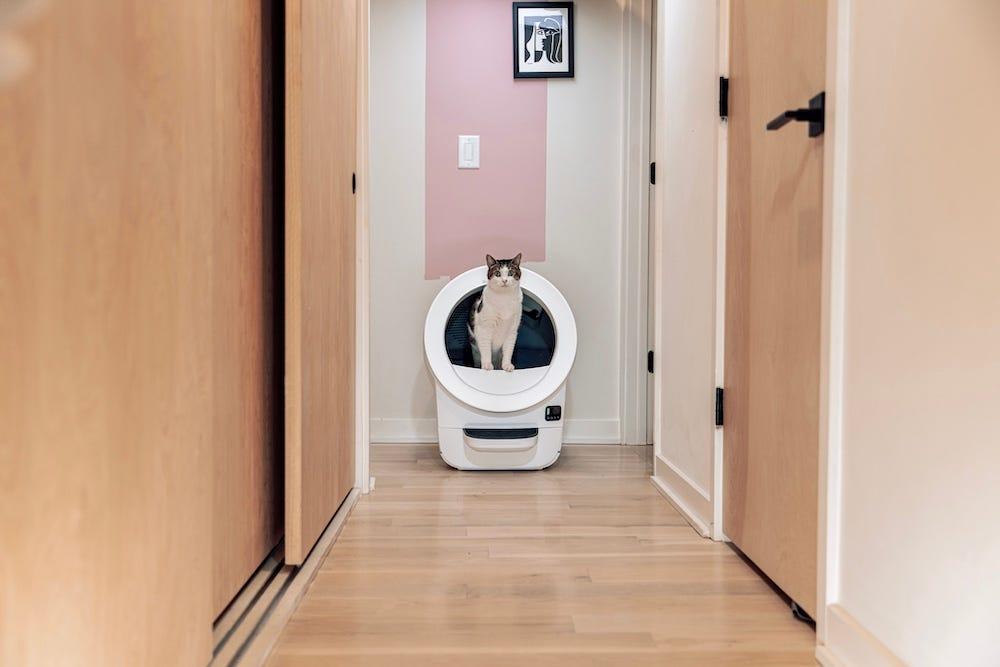
If you share your space with more than one cat, plan for an extra 10 to 15 square feet per cat, along with multiple litter boxes (or one self-cleaning litter box), feeding stations, and places to perch. Cats are territorial, so having options helps reduce stress and competition.
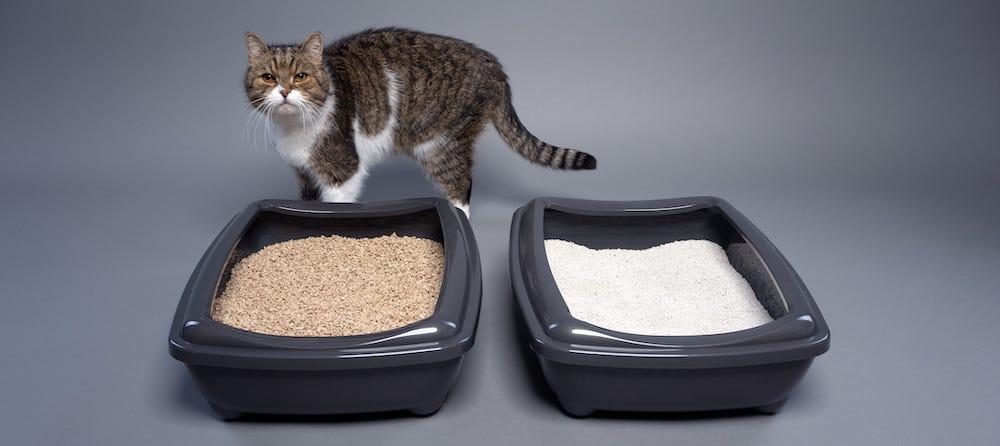
Vets recommend using n+1 litter boxes per cat, meaning the ideal number of litter boxes for 2 cats is 3, and so on.
|
Number of cats |
Estimated functional space for cat essentials |
Typical home size where cats thrive |
Recommended setup |
Key considerations |
|
1 cat |
~20–25 sq. ft. for cat items |
Studio or small apartment (≈400–600 sq. ft.) |
2 litter boxes, 1–2 cozy resting spots, scratching post, and a vertical climbing area |
Add a window perch and daily playtime for stimulation |
|
2 cats |
~35–45 sq. ft. combined |
1-bedroom apartment (≈600–900 sq. ft.) |
3 litter boxes, separate feeding zones, and at least one tall cat tree |
Provide vertical territory to prevent tension |
|
3 cats |
~50–65 sq. ft. combined |
2-bedroom apartment or small home (≈900–1,200 sq. ft.) |
4 litter boxes, multiple resting and hiding areas, and 2+ scratching zones |
Offer extra space for retreat and personal comfort |
|
4+ cats |
70+ sq. ft. combined |
Larger apartment or home (≈1,200+ sq. ft.) |
1 litter box per cat + 1 extra, varied vertical levels, and rotating toys |
Designate separate rest and feeding zones to minimize competition |
The overall takeaway here is that cats don’t need a mansion. They need a thoughtful layout, stimulation, and daily engagement to stay happy and healthy.
Can a cat live in one room?
Yes, a cat can live comfortably in one room, whether it’s temporary or long-term. The most important thing is that the space provides everything your cat needs — food and water, a litter box, a place to sleep, and daily enrichment.
Keep the litter box far from food and water dishes to maintain cleanliness and comfort. Provide soft bedding or a cat cave for resting, and add vertical spaces like scratching posts, cat trees, or window perches to encourage exercise and exploration. Even in a single room, your cat should have chances for play and interaction with you every day. With a little creativity, one room can become a cozy, full-featured cat haven.
Cats in apartments: What to consider
Apartment living with cats can be peaceful and rewarding, but it does require thoughtful planning. Keep these factors in mind:
- Noise and privacy: Cats need quiet zones to relax, away from TVs or heavy foot traffic.
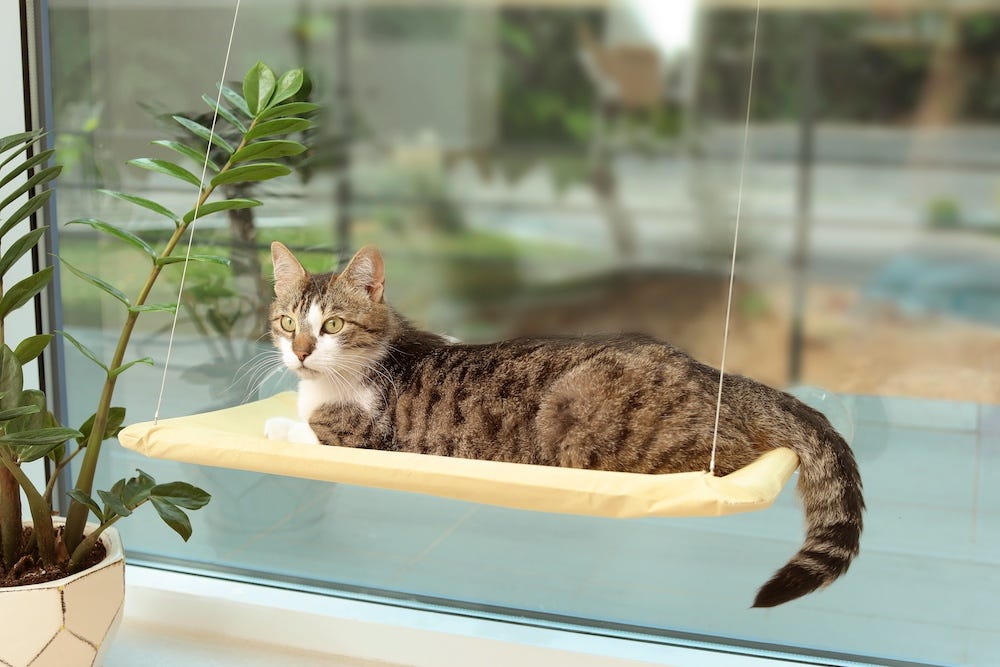
- Windows and views: A sunny perch or hammock can provide endless entertainment and enrichment.
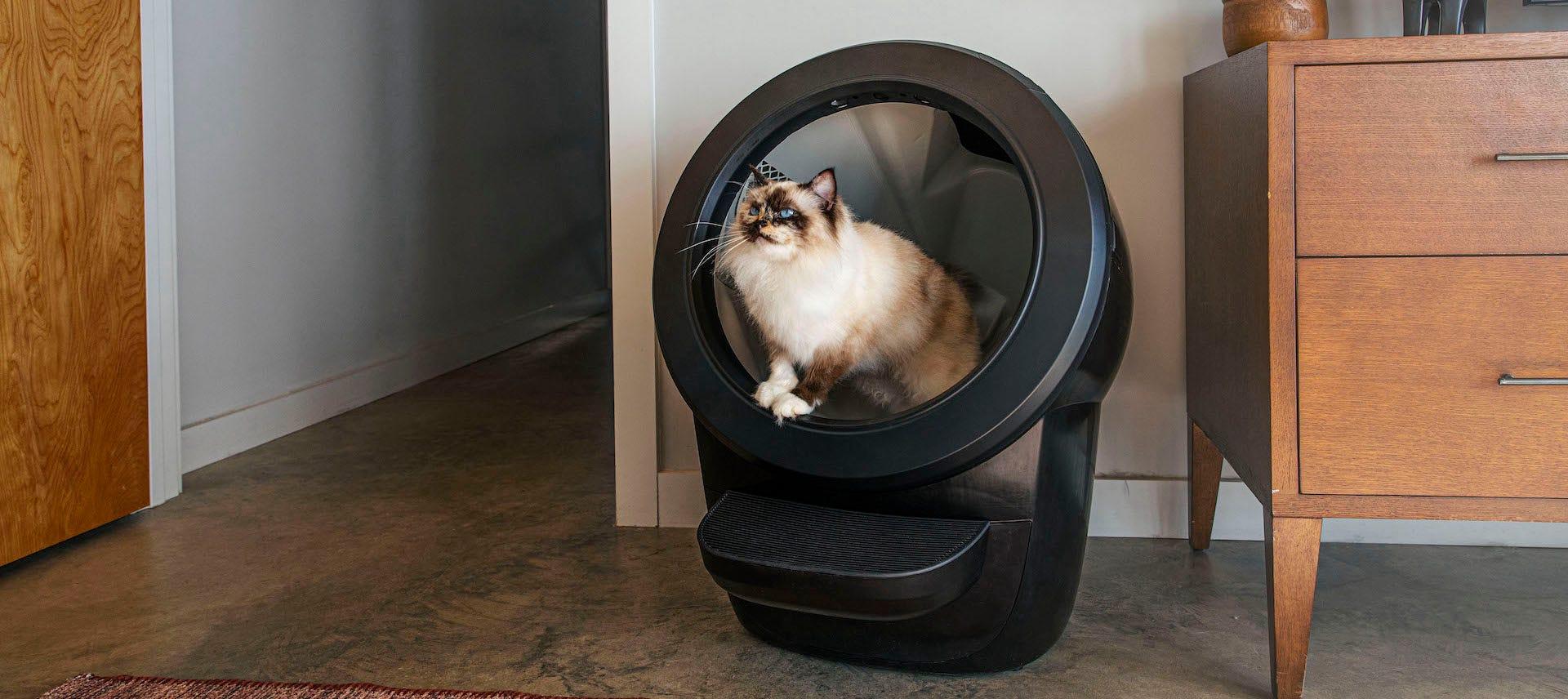
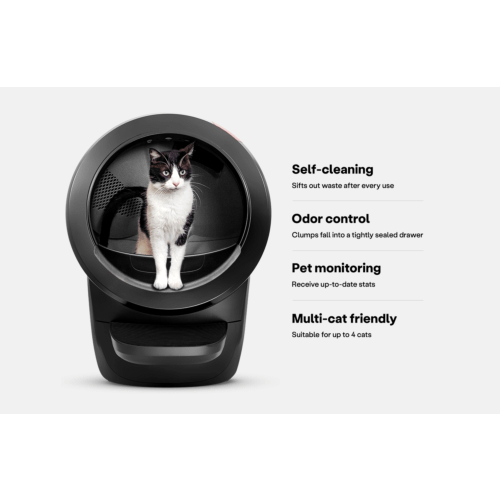
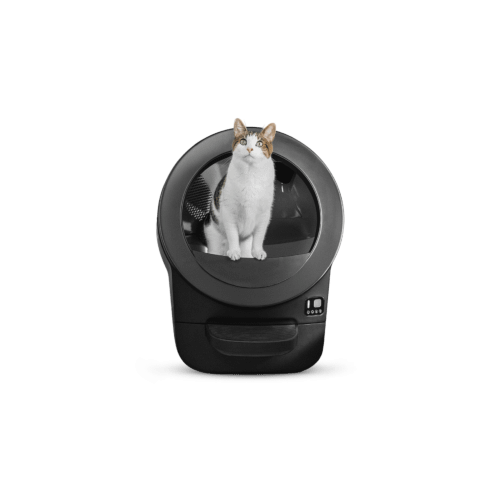
- Litter box management: Choose a low-odor setup, like Litter-Robot, to keep small spaces fresh.
- Neighbors and landlords: Always check pet policies and make balconies or open windows cat-safe with screens or netting.
In other words, yes, you can absolutely have a cat in an apartment as long as you can meet their physical and emotional needs.
Cat apartment and room ideas
You don’t need to renovate to make your space cat-friendly. A few smart adjustments can go a long way:
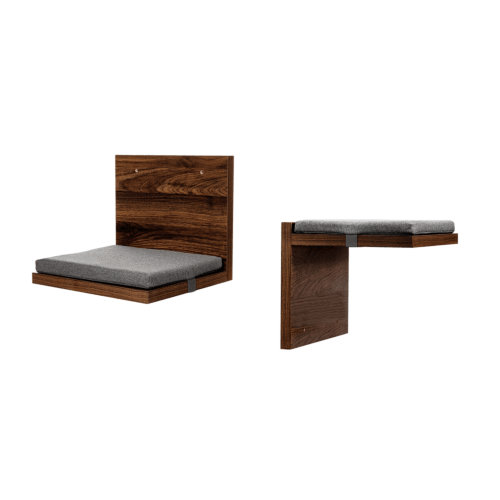
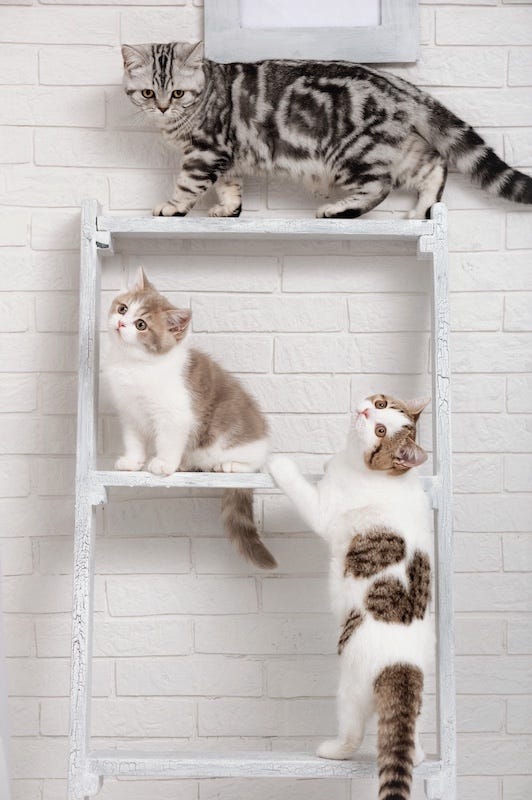
- Go vertical: Add cat trees, climbing shelves, or wall-mounted perches to expand your cat’s territory upward.
- Choose dual-purpose furniture: Look for litter box enclosures, cat beds hidden inside side tables, or ottomans with built-in cubbies.
- Create a cat corner: Convert an unused alcove, closet, or under-desk space into a mini feline retreat.
- DIY comfort: Soft blankets, cardboard boxes, and recycled furniture can make cozy, budget-friendly hideouts.
Should you get a cat in an apartment?
Absolutely. Apartment living and cat companionship go hand in hand — as long as you provide enrichment, routine, and a bit of creativity. A cozy window perch, a self-cleaning litter box like Litter-Robot, and some daily playtime can turn even the smallest space into a cat’s dream home.