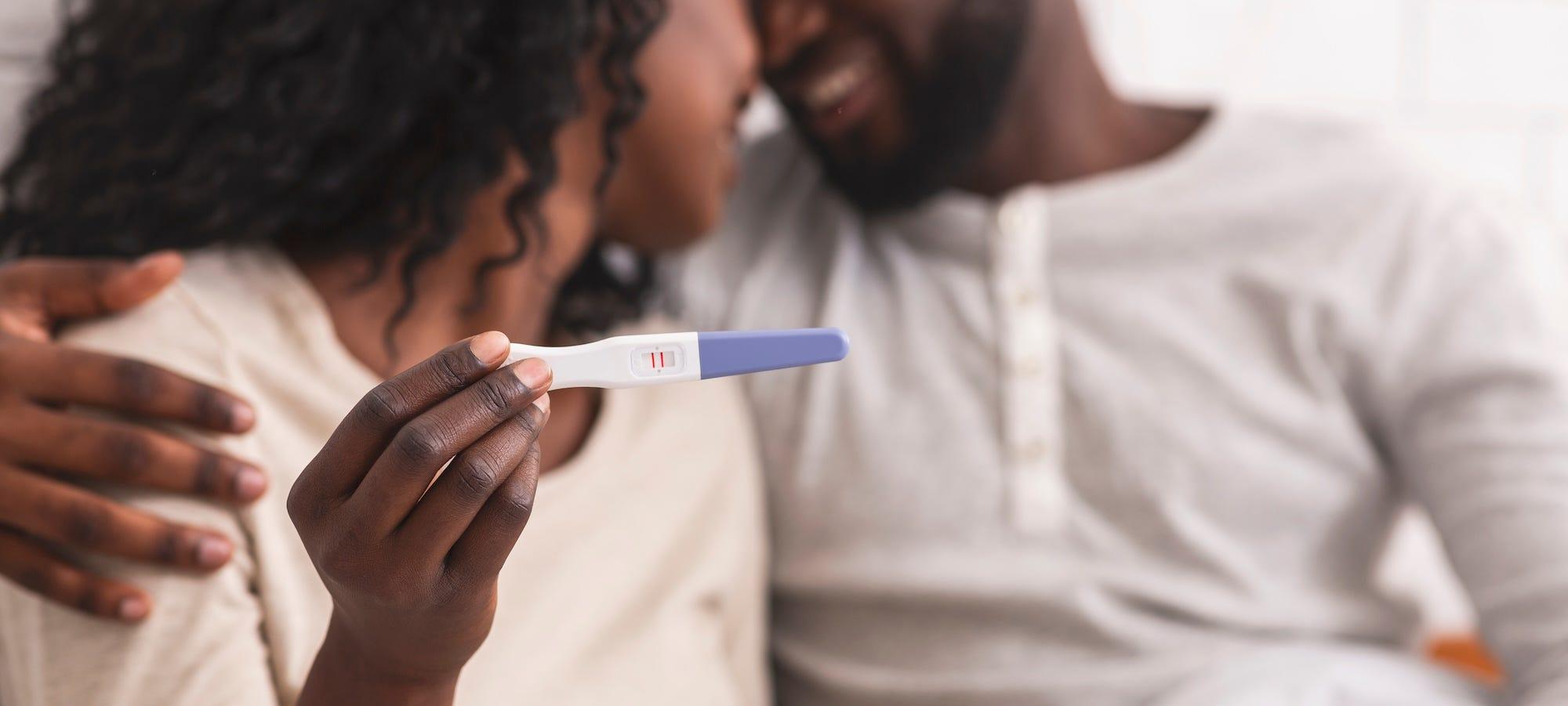

Finding out you’re pregnant can suddenly make everyday things feel confusing. Coffee? Hair dye? Your cat? It’s easy to spiral into “wait, is everything dangerous now?” The good news is you don’t need to fear everything in early pregnancy.
The first trimester is a more sensitive window for fetal development, so the goal isn’t perfection, but rather reducing preventable risks where you can. This guide covers the most important things to avoid in early pregnancy, including foods, medications, environmental exposures, and one commonly overlooked topic for cat parents: cat liter and toxoplasmosis.
In this article
- Why early pregnancy is a higher-sensitivity window
- Things to avoid in early pregnancy
- Foods and drinks to avoid in early pregnancy
- Substances and medications to avoid or review right away
- Activities and environments to be careful with
- Things you may not need to avoid completely
- How to prepare your home and cat before baby arrives
Why early pregnancy is a higher-sensitivity window
Early pregnancy — especially weeks 1 to 12 — is when major fetal development happens. During this time, organs begin forming, the neural tube develops, and the placenta is still establishing itself. That’s why healthcare providers often recommend being a little more cautious in the first trimester.
That safe, not everything falls into the same category. It can help to think about pregnancy safety in three buckets:
Avoid completely:
These are things linked to clearer risks and generally not recommended during pregnancy, such as:
- Alcohol
- Smoking or vaping nicotine
- Recreational drugs
- High-mercury fish
- Raw or undercooked animal products
Limit or modify:
Some times aren’t off-limits, you just need boundaries or adjustments. Examples include:
- Caffeine (limited, not eliminated)
- Exercise (with modifications if needed)
- Certain work or household activities
Ask your doctor first:
This category includes:
- Prescription medications
- Over-the-coutner medicines
- Herbal supplements
- Certain skincare ingredients or treatments
Things to avoid in early pregnancy
Foods and drinks to avoid in early pregnancy
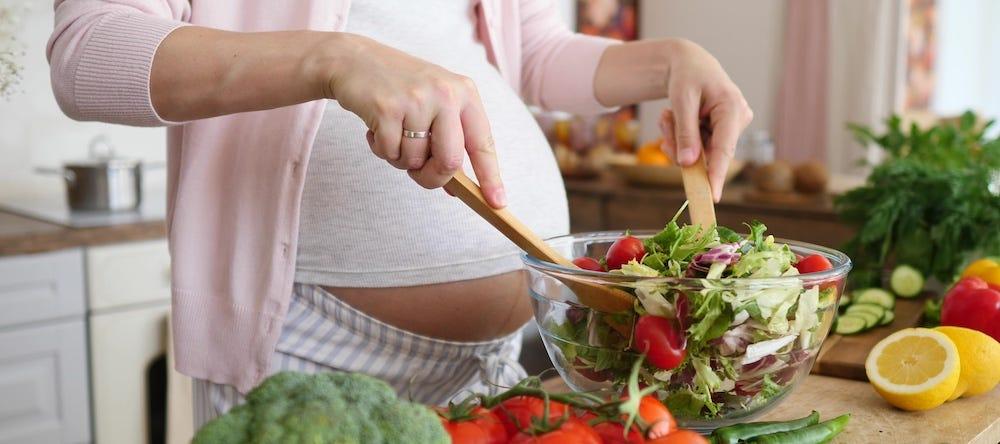
Food safety becomes more important during pregnancy because your immune system changes, making infections like Listeria and Salmonella more concerning.
Raw or undercooked meat, eggs, and seafood
Avoid foods that may contain harmful bacteria or parasites, including:
- Rare or undercooked steak
- Sushi with raw fish
- Raw oysters or shellfish
- Runny eggs
- Raw dough or batter containing eggs
Unpasteurized dairy and juices
Skip raw milk, unpasteurized juice or cider, and soft cheeses made from unpasteurized milk. Some cheeses like brie, feta, and blue cheese are fine if labeled pasteurized.
Deli meats (unless reheated)
Cold deli meats, including turkey, can carry listeria bacteria. If you’re craving a sandwich, heat deli meat until steaming hot first to lower the risk.
High-mercury fish
Certain fish contain mercury levels that may affect fetal development. Fish to avoid include:
- Shark
- Swordfish
- King mackerel
- Tilefish
- Marlin
- Orange roughy
- Bigeye tuna
Lower-mercury options like salmon, shrimp, cod, and pollock are generally safer choices.
Alcohol
There’s no known safe amount of alcohol during pregnancy, which is why experts recommend avoiding it completely.
Caffeine: what “limit” actually means
You don’t have to give up coffee entirely. Most experts recommend keeping caffeine to under 200 mg per day during pregnancy — roughly one 12-ounce cup, depending on the brew strength.
Keep in mind that caffeine can also hide in:
- Tea
- Energy drinks
- Chocolate
- Some sodas and medications

Substances and medications to avoid or review right away
Pregnancy is not the time to suddenly stop medications on your own, but it is a good time to review everything with your healthcare provider.
Smoking, vaping, marijuana, and recreational drugs
Smoking and nicotine products are linked to pregnancy complications, while marijuana and recreational drugs may affect fetal development and birth outcomes.
Even vaping products aren’t considered risk-free during pregnancy.
Prescription medications
Some medications are safe during pregnancy, while others are not.
The important thing: do not stop prescription medications without medical guidance, especially medications for mental health, thyroid conditions, seizures, or blood pressure.
Retinoids and high-dose vitamin A
Certain acne treatment and skincare ingredients, especially prescription retinoids, should be avoided during pregnancy.
Watch for ingredients like:
- Retinol
- Retin-A (tretinoin)
- Isotretinoin
High-dose vitamin A supplements may also be unsafe.
Over-the-counter medicines
Before reaching for common medications, check with your provider about:
- Pain relievers
- Cold medications
- Sleep aids
- Herbal supplements
“Natural” doesn’t automatically mean pregnancy-safe.
Activities and environments to be careful with
Pregnancy safety goes beyond food.
Litter box cleaning (and why)
If you have a cat, one of the biggest overlooked concerns is toxoplasmosis, a parasite that can sometimes spread through infected cat feces.
The risk is often lower than people think, especially with indoor cats. Still, most providers recommend taking precautions.
Try to:
- Have someone else clean the litter box if possible
- Clean it daily (the parasite needs 24+ hours to become infectious)
- Wear gloves and wash hands thoroughly if you must handle litter
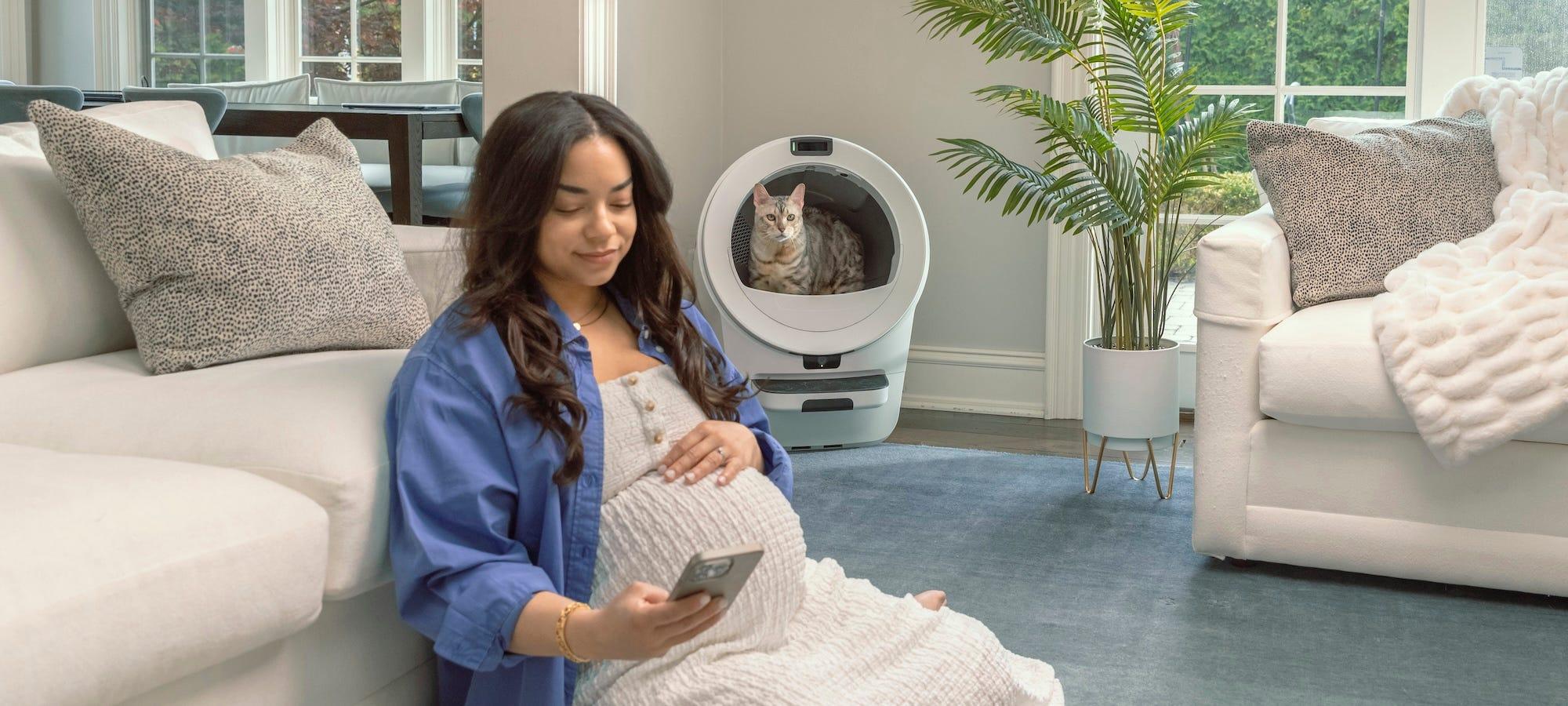
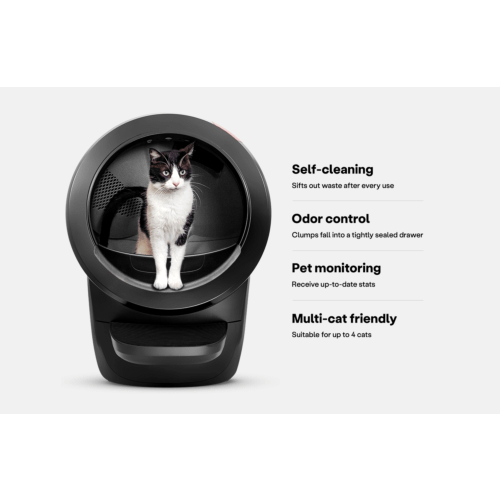
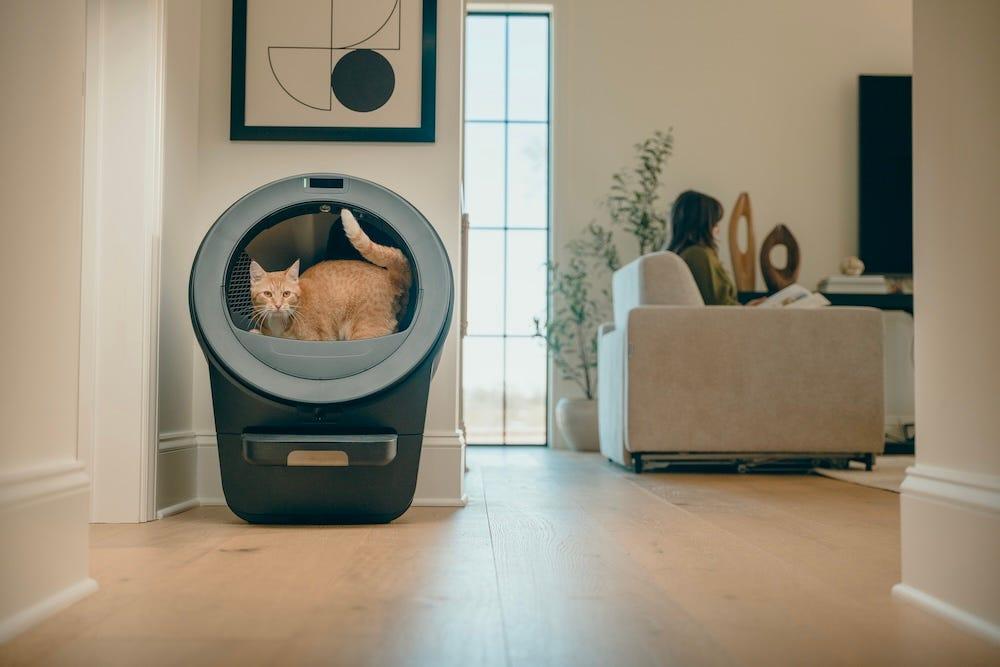
Many pregnant cat owners also switch to a self-cleaning litter box to reduce direct exposure and make cleanup lower contact.
Hot tubs and saunas
Overheating early in pregnancy may increase risks, especially during the first trimester.
Skip:
- Hot tubs
- Very hot baths
- Saunas or steam rooms
Heavy lifting and overexertion
You don’t need to avoid movement, but listen to your body.
Try not to push through:
- Dizziness
- Pain
- Overheating
- Extreme exhaustion
Harsh chemicals, solvents, and pesticides
Limit exposure to:
- Strong cleaning chemicals
- Paint fumes
- Pesticides
- Industrial solvents
X-rays and radiation
Medical imaging is sometimes necessary during pregnancy. Always tell healthcare providers you’re pregnant, but don’t panic if you need medically necessary imaging. Providers can often adjust or shield appropriately.
Things you may not need to avoid completely
Pregnancy often comes with a lot of unnecessary fear, so let’s clear up a few common misconceptions.
Exercise (with modifications)
For most people, exercise during pregnancy is encouraged, not avoided.
Walking, prenatal yoga, swimming, and strength training modifications are often safe unless your provider says otherwise.
Work and household tasks
Many everyday responsibilities are still perfectly manageable with precautions. You may just need to:
- Avoid heavy lifting
- Take breaks more often
- Improve ventilation around chemicals
Pets: what’s actually risks vs what’s not
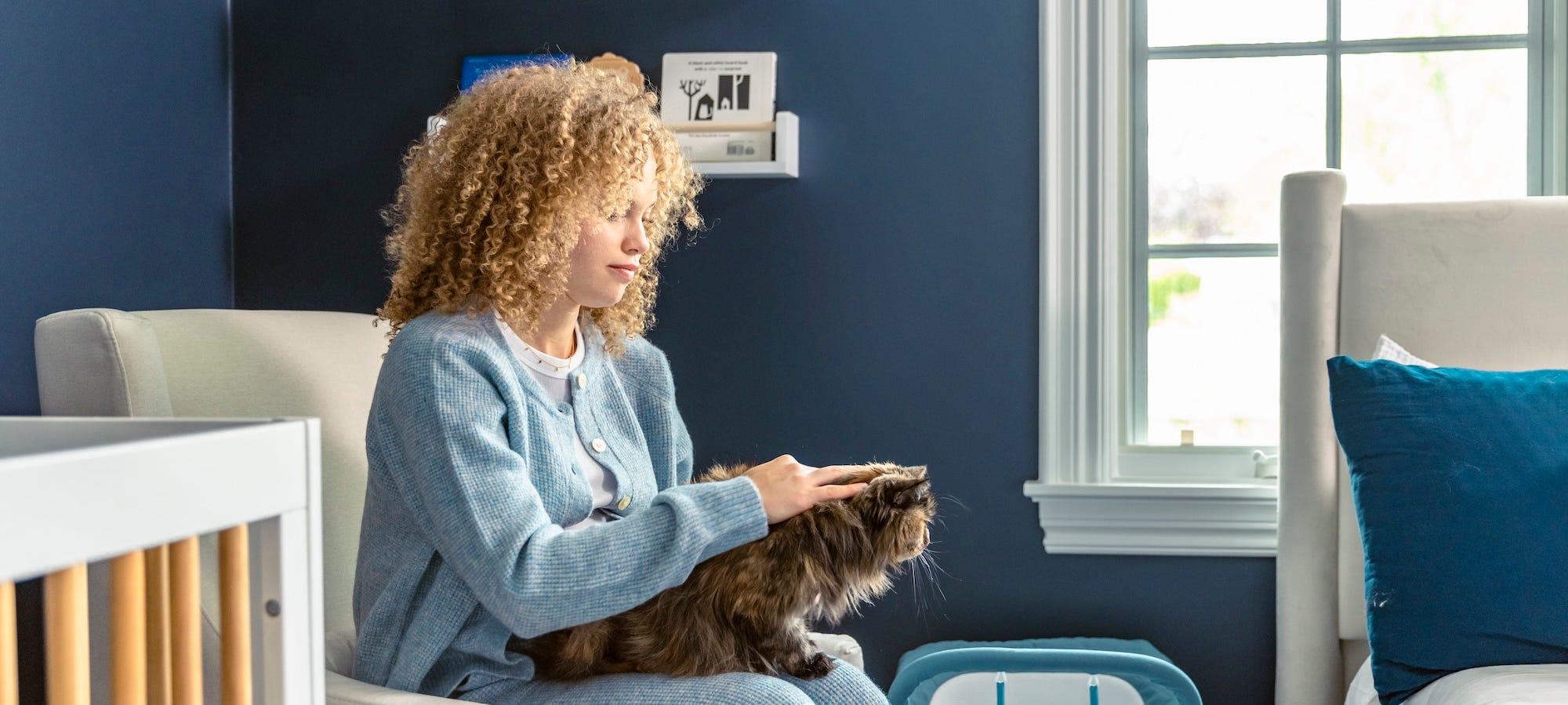
You do not need to avoid your cat. Petting, cuddling, and being around cats are not considered major risks during pregnancy. The concern is specifically contact with infected feces, not your cat’s fur or affection.
How to prepare your home and cat before baby arrives
If you have a cat, early pregnancy is a great time to make a few proactive changes before fatigue and nausea ramp up.
Reassign litter duties early
If possible, hand litter box cleaning off to a partner or household member sooner rather than later.
Set routines before symptoms worsen
Pregnancy exhaustion is real. Automating or simplifying routines now can make life easier later.
Think:
- Consistent feeding schedules
- Easy-access pet supplies
- Lower-contact litter management
Start cat-to-baby acclimation before delivery
Gradual changes are easier on cats than sudden ones. Start introducing:
- Baby sounds
- Nursery setup
- New routines or room boundaries
Create a safer, lower-contact setup
Many expecting cat parents look for ways to reduce litter exposure while still keeping cat care manageable. A cleaner, easier litter routine can lower stress during pregnancy and beyond.
The list of things to avoid in early pregnancy can feel overwhelming at first, but most of it comes down to smart, manageable precautions. You don’t have to avoid everything, and you definitely don’t need to panic over every exposure.
Focus on reducing the biggest preventable risks, ask questions when you’re unsure, and remember that being informed matters far more than being perfect.