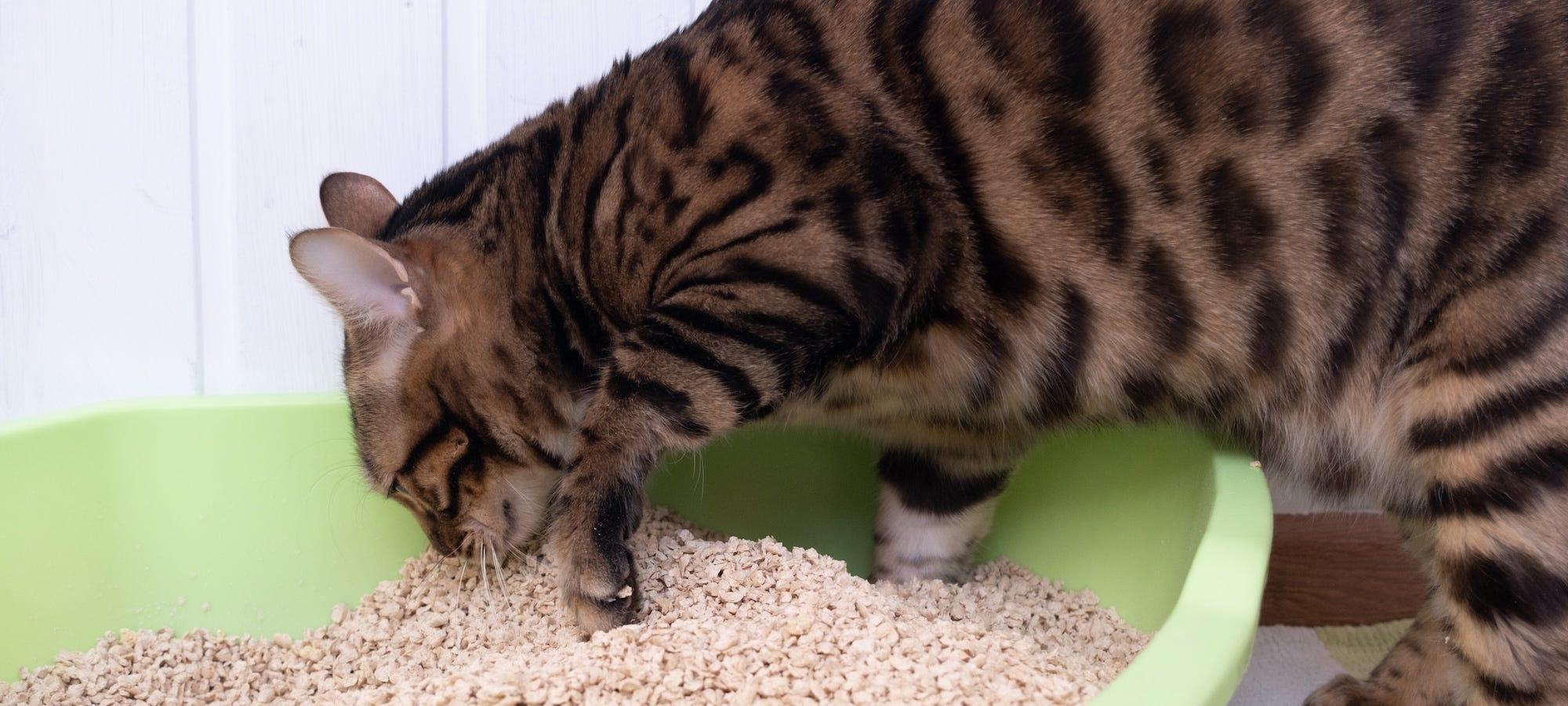


If you’ve ever watched your cat carefully scratch litter over their waste, you might have wondered why they do it, and why some cats don’t. Burying poop is a normal cat behavior that’s rooted in instinct, but not every cat covers their waste every time.
In this guide, we’ll explain why cats bury their poop, why some leave it uncovered, when it’s nothing to worry about, and when a change in litter box habits could signal a health or behavior problem.
In this article
Why do cats bury their poop?
Cats bury their poop because it's an instinct passed down from their wild ancestors. Even though your house cat doesn't have to worry about predators, this natural behavior is still deeply ingrained.
Wild cats used scent to communicate, but they also needed to avoid attracting larger predators or competing cats. In short, covering their waste helped reduce odors and made them less noticeable.
Main reasons why cats cover their poop include:
- Reducing scent – Covering feces helps hide their presence from predators and other animals.
- Protecting themselves – Staying unnoticed increased the chances of survival for smaller wild cats.
- Keeping their territory clean – Cats are naturally clean animals, and burying waste helps maintain a tidy living area.
- Following inherited instincts – Even indoor cats often perform this behavior despite living in a safe home.
Why do cats cover their poop instead of leaving it exposed?
Burying waste isn't just about cleanliness. It also serves several important behavioral purposes.
Scent control
Feces contains a lot of scent information. Covering it helps reduce how noticeable those odors are to other animals.
Self-protection
Small wild cats benefited from hiding signs of their presence. While your indoor cat isn't worried about predators, that instinct often remains.
Social hierarchy
In colonies of wild or free-roaming cats, subordinate cats may bury their waste to avoid challenging more dominant cats. Dominant cats, on the other hand, may intentionally leave waste uncovered as a way of marking territory.
Why some cats leave poop uncovered instead
Not every cat feels the need to bury their waste. Some simply have weaker burying instincts, while others may be trying to communicate discomfort, stress, or territorial confidence.
Why does my cat not cover his poop?
Some cats have never been enthusiastic about burying their poop. If your cat has always left their waste uncovered and is otherwise healthy, it usually isn't a cause for concern.
A sudden change, however, deserves closer attention. Indoor cats that stop covering their poop may be reacting to changes in their environment, litter box setup, or health.
Common reasons a cat doesn't cover poop
There are several everyday reasons your cat may skip covering their waste. Common causes include:
- The litter box is too dirty. Cats often avoid digging around in a soiled box.
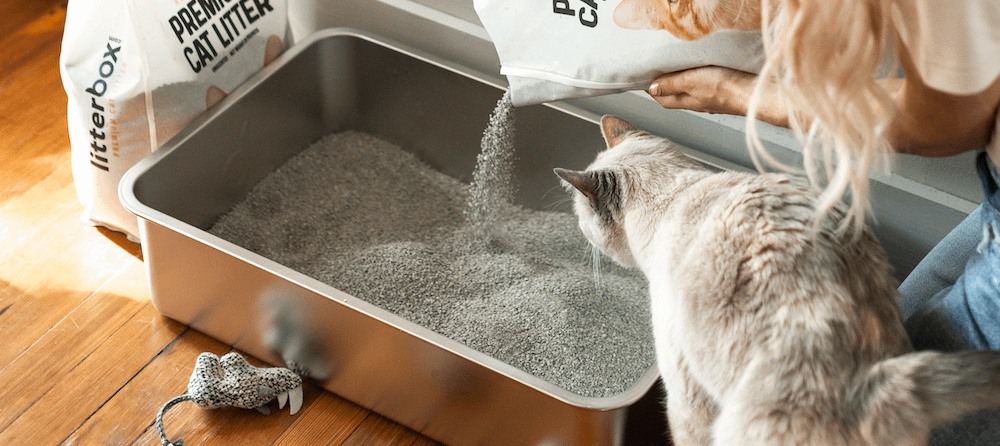
- The litter changed. A different texture, scent, or depth may discourage normal digging behavior.
- The box is too small. Cats need enough room to comfortably turn around and cover their waste.
- The location feels unsafe. Loud appliances, heavy foot traffic, or being cornered can make cats rush out without burying.
- There aren't enough litter boxes. Competition in multi-cat households can affect litter box behavior.
- Stress or conflict with another cat. Cats may avoid lingering in the litter box if they feel threatened.
Signs it's probably not a big deal
In many cases, uncovered poop isn't a sign that anything is wrong. It's usually less concerning if:
- Your cat has always left their poop uncovered.
- They're otherwise healthy and acting normal.
- They're still using the litter box consistently.
- You haven't noticed any changes in appetite, energy level, or bathroom habits.
Some cats just aren't meticulous buriers.
Medical reasons a cat may stop covering poop
If your cat suddenly stops covering their poop, pain or illness may be making it uncomfortable to dig.
Potential medical causes include:
- Arthritis or joint pain, especially in older cats.
- Constipation or digestive upset, making bowel movements uncomfortable.
- Paw injuries or discomfort that make scratching painful.
- Other illnesses that affect mobility, comfort, or litter box behavior.
While many cases are behavioral, sudden changes should always be considered in the context of your cat's overall health.
Signs you should be concerned
Contact your vet if your cat:
- Suddenly stops covering their poop after previously doing so.
- Strains or cries while defecating.
- Avoids the litter box altogether.
- Starts pooping outside the litter box.
- Shows signs of pain, illness, or decreased mobility.
- Has other changes in appetite, energy, or behavior.
These symptoms could indicate an underlying medical issue that needs treatment.
A quick checklist: Why your cat isn't covering poop
Before assuming something is wrong, ask yourself:
- Has the litter recently changed?
- Is the litter box clean?
- Is the box large enough?
- Has the litter box been moved?
- Has anything stressful changed at home?
- Does your cat seem stiff, sore, or older?
- Is this behavior new?
Working through these questions can often help identify a simple explanation.
How to encourage your cat to cover poop again
If your cat has recently stopped covering their waste, a few adjustments may encourage them to start again. Try these tips:
- Scoop the litter box at least once or twice a day.
- Experiment with different unscented litter if you recently switched brands.
- Keep about 2 to 3 inches of litter in the box so your cat has enough material to dig.
- Upgrade to a larger box if space is tight.
- Place litter boxes in quiet, low-traffic areas where your cat feels safe.
- In multi-cat households, provide enough litter boxes to reduce competition.
- Schedule a vet visit if the change happened suddenly or is accompanied by other symptoms.
Most cats naturally prefer to bury their waste. If they stop, it's often their way of telling you that something in their environment or their health has changed.
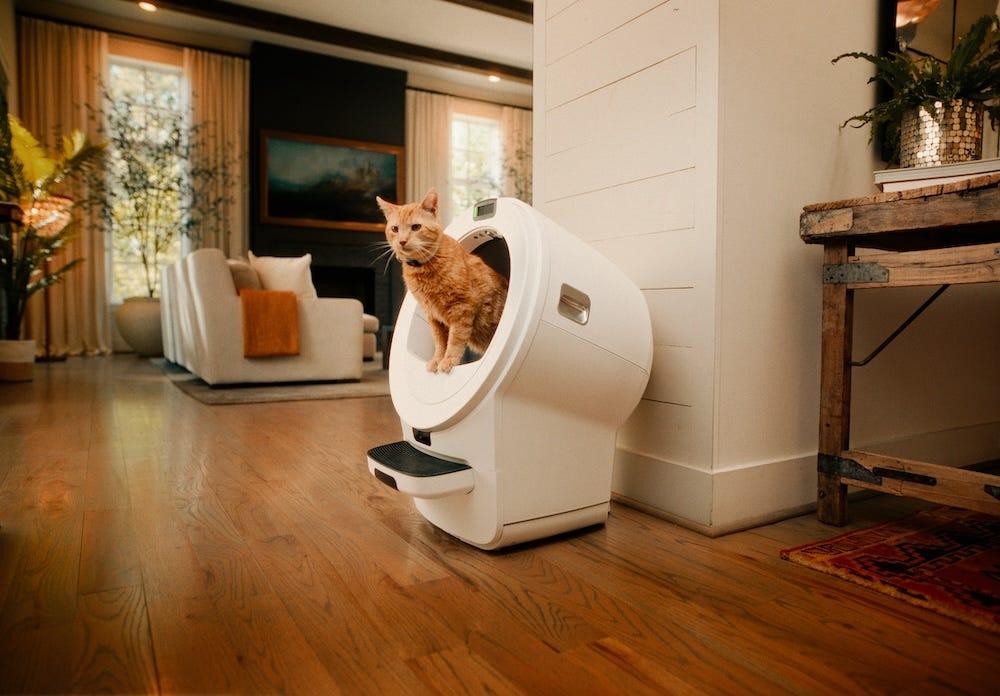
Try a self-cleaning litter box
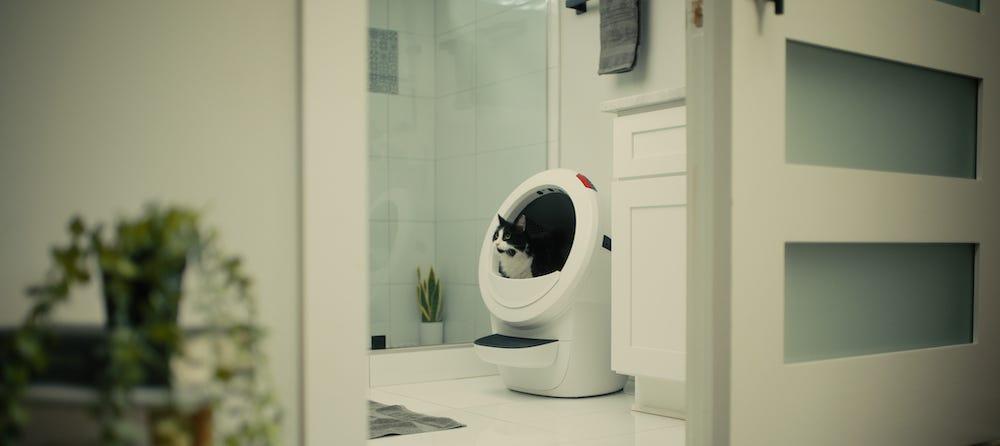
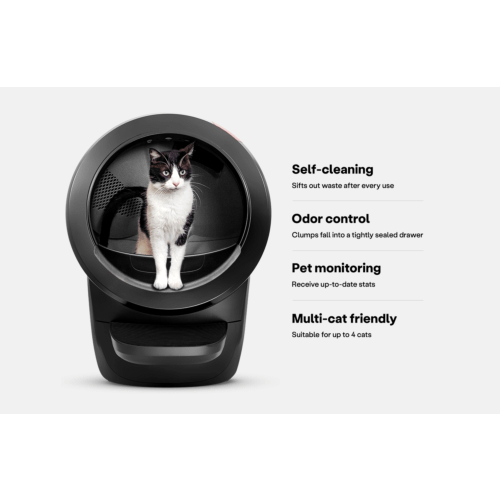
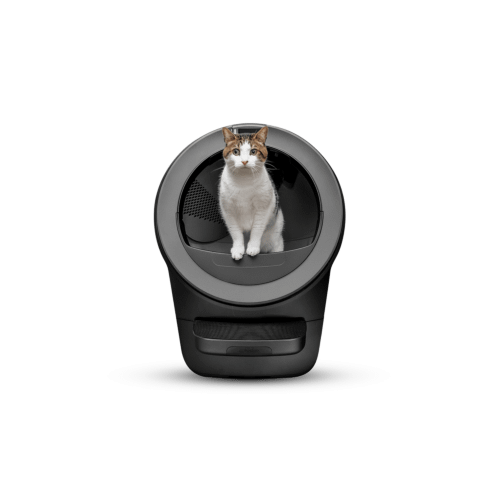
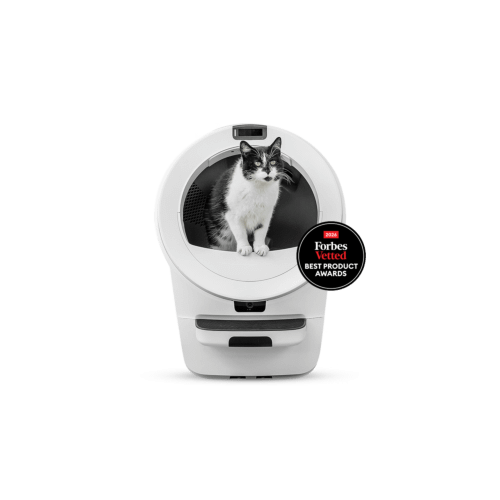
Self-cleaning litter boxes deliver a consistently clean bed of litter, which many cats prefer. And if your cats don't cover their poop, an automatic litter box like Litter-Robot is great for minimizing odors. The new Litter-Robot 5 and Litter-Robot 5 Pro feature WasteID, meaning when it senses that your cat has pooped, it cycles quickly for more targeted odor control.