Accessibility Statement

Page 4 - Cat Facts

  1. The Egyptian Word for Cat and Its History: The Egyptian Mau

    The Egyptian Word for Cat and Its History: The Egyptian Mau

    On this day in 1922, archaeologists discovered the tomb of King Tut; now November 4th is known as King Tut Day. So...
    Read More
  2. red Javanese cat

    Javanese Cat Breed Profile

    The Javanese is a color subdivision of the Balinese cat, taking after the Colorpoint Shorthair and the Siamese.
    Read More
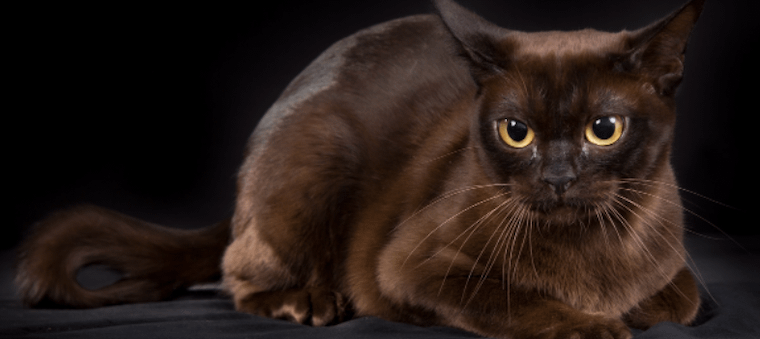
  3. Havana Brown cat

    Havana Brown Cat Breed Profile

    The Havana Brown is a green-eyed, chocolate-colored cat breed known for their playful attitude.
    Read More
  4. Turkish Van cat

    Turkish Van Cat Breed Profile

    Turkish Van cats are a highly intelligent, active, and ancient breed that loves water and enjoys being around their...
    Read More
  5. Singapura cat

    Singapura Cat Breed Profile

    The Singapura is one of the smallest cat breeds. Discover their adorable face, spunky personality, and loving nature...
    Read More
  6. grey Oriental Shorthair cat

    Oriental Shorthair Cat Breed Profile

    Oriental Shorthair cats are a distinct, intelligent, and loving breed that do best when they have a furry friend...
    Read More
  7. Balinese cat lying on couch

    Balinese Cat Personality: How Do Balinese Cats Act?

    The Balinese is a friendly, outgoing, and lovable cat that wants to be involved with their humans 24/7. Discover...
    Read More
  8. Balinese cat

    Balinese Cat Breed Profile

    The Balinese cat is a loving and outgoing breed that closely resembles the Siamese. Learn more about this silky-coated...
    Read More
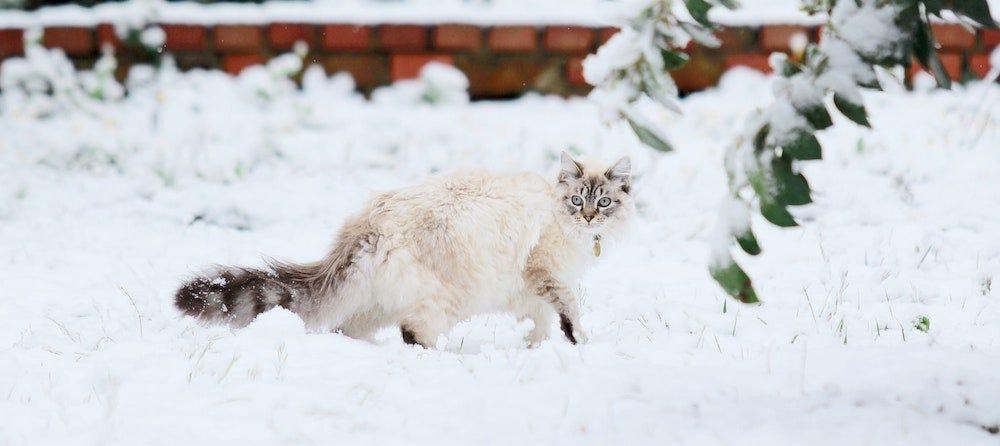
  9. Nebelung cat lying on cat bed

    Nebelung Cat Breed Profile

    The Nebelung cat is a gorgeous blue-silver, long-haired breed with a sweet and loyal personality. Discover more here...
    Read More
  10. Toyger cat next to scratching post

    Toyger Cat Breed Profile

    The Toyger cat is a tiger-resembling sweetheart that wants to spend time with their humans. Learn more about these...
    Read More
  11. Russian Blue cat crouching on carpet

    Russian Blue Cat Breed Profile

    The Russian Blue sports a unique blue coat and bright green eyes. These cats love their humans and are somewhat shy...
    Read More
  12. orange tabby cat kitten

    10 Orange Tabby Cat Facts

    Find out why there are more orange male cats than females, plus more of our favorite orange tabby cat facts!
    Read More
  13. Tuxedo cat sitting with paws tucked on bed

    Tuxedo Cats: Facts, Details, and Breed Guide

    Let's look at facts about the adorable tuxedo cat and bicolor cats in general. Among their special qualities, tuxedo...
    Read More
Posts loader

Fun cat facts and feline tidbits 

Cats are endlessly fascinating, and we have the content to prove it! Read 100+ articles on the Litter-Robot blog that include fun facts about cats. You’ll find cat facts related to coat pattern, breed, unique abilities, and more!

Did you know? Cats instinctively know how to use the litter box. To avoid being eaten or attacked by predators, ancestral wild cats had to cover up their tracks and hide their waste to mask their scent. They gravitated toward soft dirt or sand, since the granular consistency made it easier to bury their waste. 

What other interesting facts about cats didn’t you know? Cats meow for humans, not other cats. A group of cats is called a clowder or a glaring, while a group of kittens is a kindle. 30%-50% of cats lack the gene that makes them react to catnip. Research suggests that a cat’s purr has the power to self-heal. People with cat allergies aren't allergic to fur, but rather a protein found in a cat’s saliva, urine, and dander called Fel d 1. Cats seek out boxes that offer cover for their predatory hunting instincts, as well as to hide to avoid becoming prey—an instinct passed down by their wild ancestors. Contrary to popular belief, cats don’t see in black and white—but research suggests that they are red-green colorblind. A 1-year-old kitten is developmentally equivalent to a 15-year-old human. (Most) cats are lactose intolerant. Cats’ whiskers help with directional orientation and spatial awareness.

Shall we keep going? The “tabby” cat isn’t a breed—it’s a pattern. Your cat has a third eyelid that functions as a shield for their cornea. Cats are imitating snakes when they hiss. Your house cat likely isn’t nocturnal, but instead crepuscular, or most active around dusk and dawn. How long a cat lives largely depends on whether they’re indoor-only or an outdoor cat. Cats almost always land on their feet due to their impressive “righting” reflex. Cat pee smells so bad because it’s so concentrated—felines originated in the desert and evolved to absorb a large amount of water from their urine to maintain their hydration. Cats are more likely to knead if they were separated from their mothers as young kittens. And finally, cats aren’t just jerks: They knock things over to test for hidden prey.