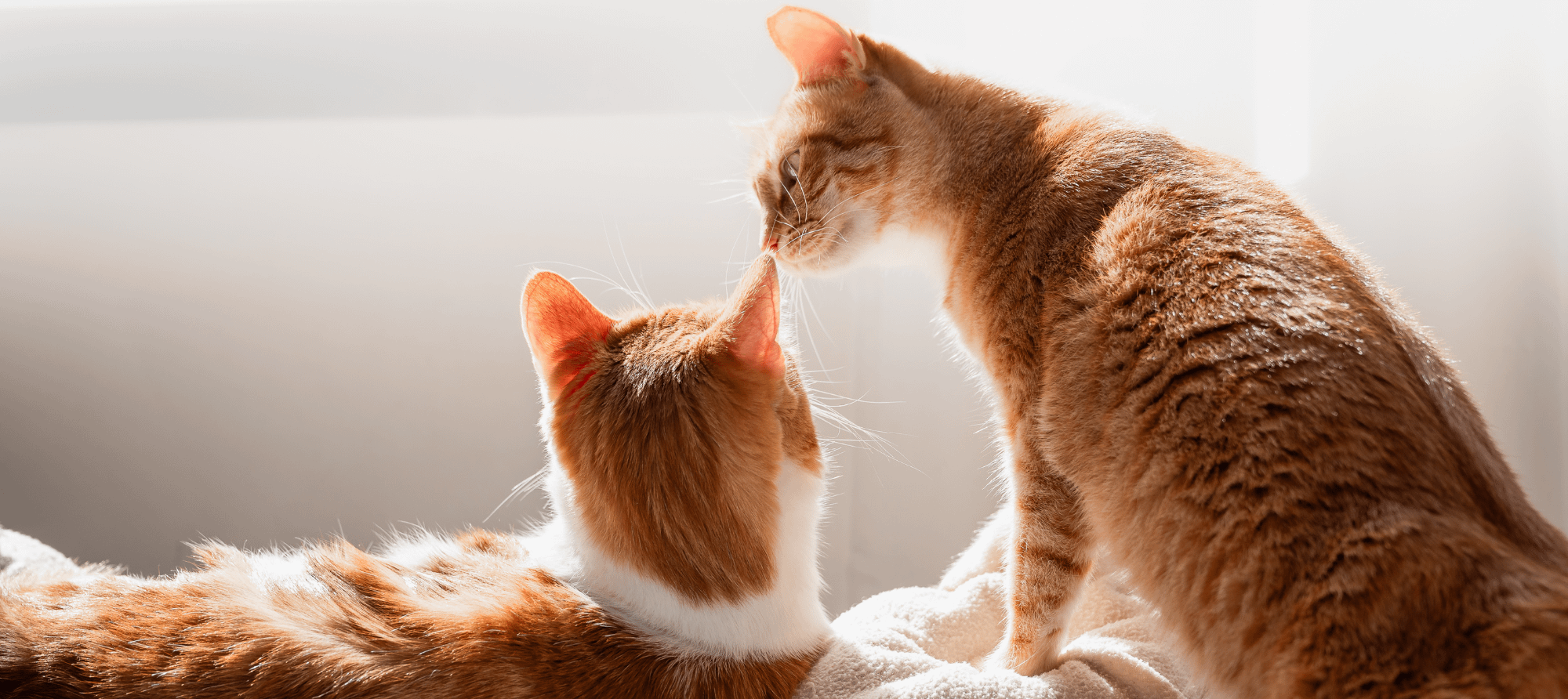


Introducing a new cat or kitten into your home is exciting, but it can also come with a steep learning curve. While some cats click instantly, others may hiss, growl, or even fight, especially as time goes on. If you’re wondering why cats fight each other or how to restore harmony, you’re not alone. The good news? Most cat conflicts can be improved with patience, structure, and the right setup.
Why cats sometimes become aggressive over time
Even cats that once tolerated each other can develop tension later. Changes in routine, health, or household dynamics can shift how cats interact. Because cats rely heavily on predictability and territory, even small disruptions can feel like a big deal to them.
Why do cats fight each other?
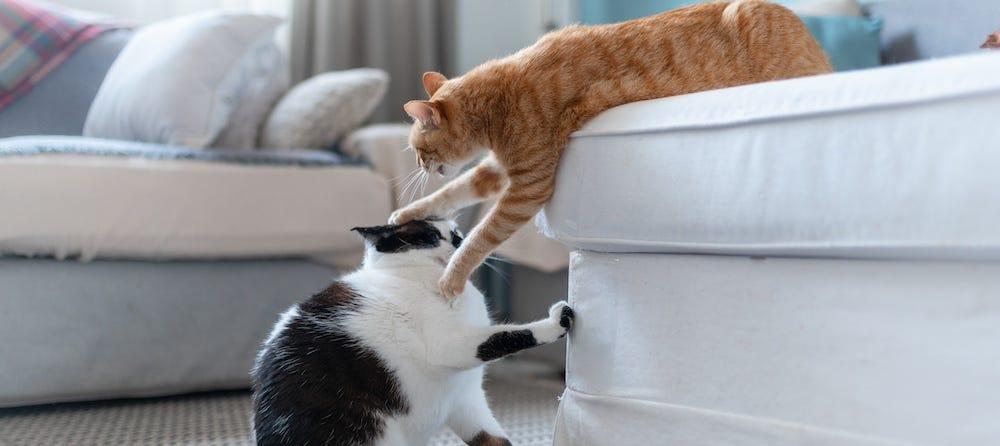
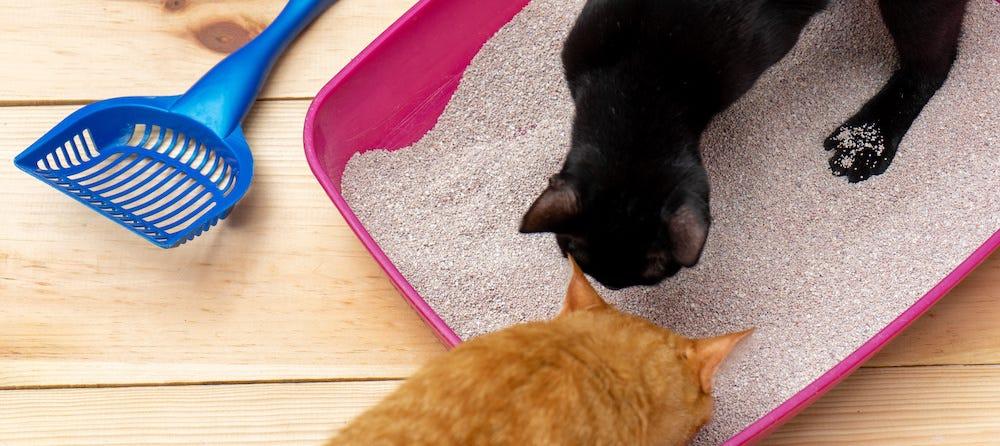
Territorial issues are one of the most common triggers. Cats are naturally territorial, and sharing space — especially litter boxes, food bowls, or favorite resting spots — can lead to friction if resources feel limited.
Personality differences and past trauma also play a role. Some cats are naturally more social, while others prefer solitude. Cats with a history of stress, neglect, or previous fights may be quicker to react defensively, even if no real threat exists.
Tips to help cats get along
Before jumping into reintroductions, it’s important to set your home up for success.
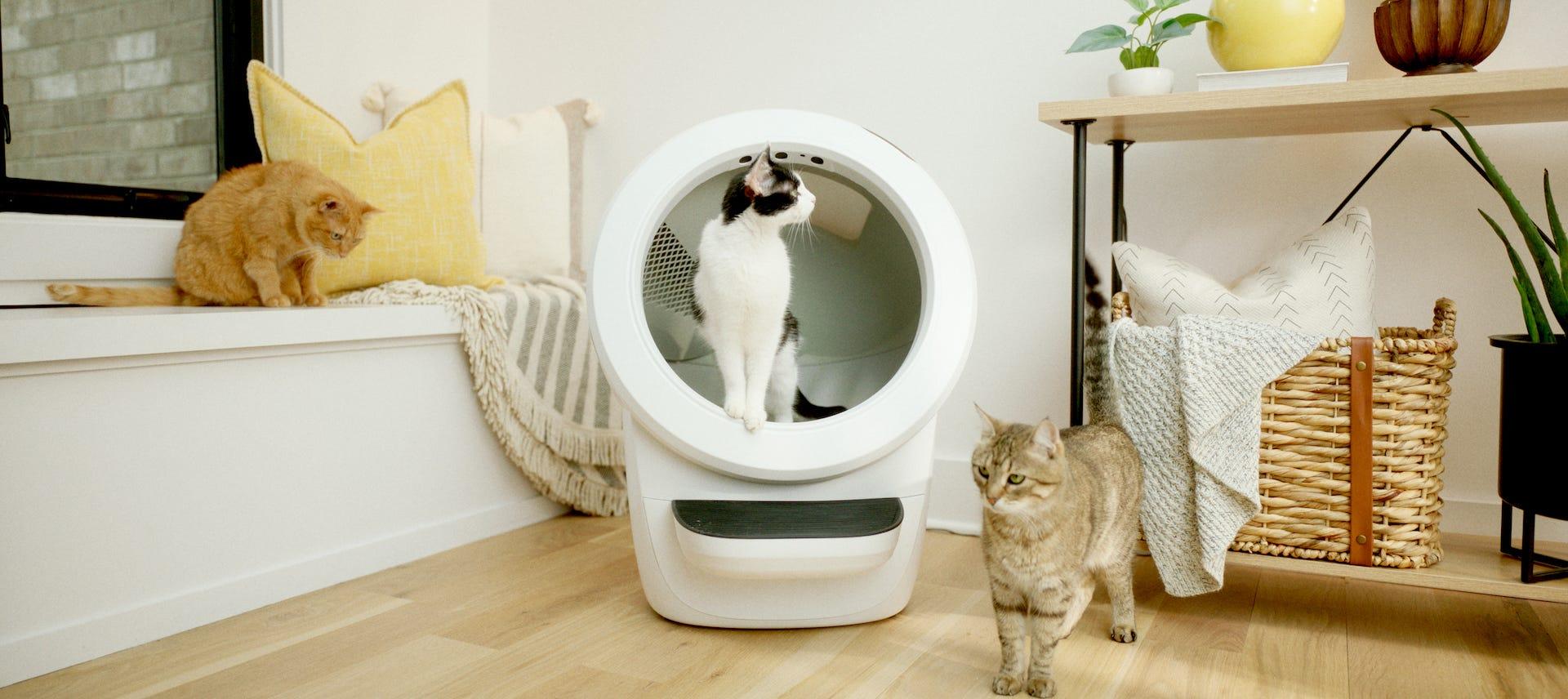
- Start by creating separate safe spaces. Each cat should have access to their own essentials — food, water, litter box, toys, and resting areas — so they don’t feel forced to compete. Ideally, litter boxes should follow the “one per cat, plus one extra” rule to reduce tension. You may also consider a self-cleaning litter box. By removing waste automatically, they eliminate the need for cats to fight over who uses the box first
- If space is tight, think vertically. Cat shelves, wall perches, and tall cat trees give cats a way to share a room without sharing the same floor space, which can significantly reduce stress.
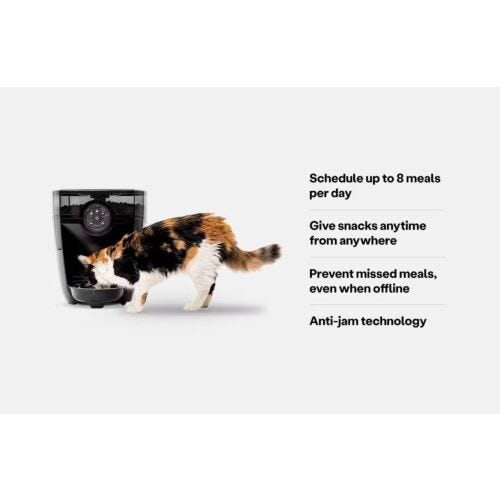
- Daily enrichment also matters. Regular play sessions, puzzle feeders, window views, and rotating toys help burn off excess energy and boredom — both common contributors to cat fighting. During calm moments, use treats to reinforce positive behavior when your cats are near each other without reacting.
Above all, keep routines predictable.
Feeding, playtime, and quiet hours at consistent times help cats feel secure, which makes them more tolerant of one another.
Step-by-step process to help cats like each other
If tension is high, slow introductions (or reintroductions) work best.
- Scent swapping is the first step. Swap bedding, toys, or blankets so each cat can get used to the other’s scent without face-to-face pressure.
- Next, move to doorway interactions. Let cats see and smell each other through a cracked door or baby gate while offering treats or meals on opposite sides. This helps them associate each other with good things.
- Once that’s going smoothly, try controlled meetings in a shared space. Keep sessions short, supervised, and calm. End on a positive note before stress escalates.
- From there, you can move into supervised free roaming, gradually increasing time together. Only move on when both cats are relaxed and showing neutral or positive body language.
Eventually, you’ll reach full integration, where your cats can coexist freely, even if they’re not best friends.
Common issues (and how to handle them)
Hissing and growling are forms of communication, not automatic failure. They often mean a cat needs more space or time. Don’t punish this behavior, simply slow the process down.
If one cat is bullying the other, make sure the more timid cat has escape routes, elevated spaces, and private resources. Bullying often improves once resource competition is reduced.
Resource guarding, such as blocking litter boxes or food areas, signals that resources aren’t distributed well enough. Adding more stations in different locations usually helps.
Sometimes, cats show regression after progress, especially after a stressful event like a vet visit or a houseguest. This is normal. Go back a step or two in the process and rebuild calmly.
How long does it take for cats to get along?
This varies widely.
- Kittens often adjust within days to a few weeks.
- Adult cats may take several weeks to a few months.
- Senior cats or cats with past trauma may need more time and a slower pace.
Personality, age, past experiences, and your home setup all influence how long it takes for cats to get along. Progress isn’t always linear and that’s okay.
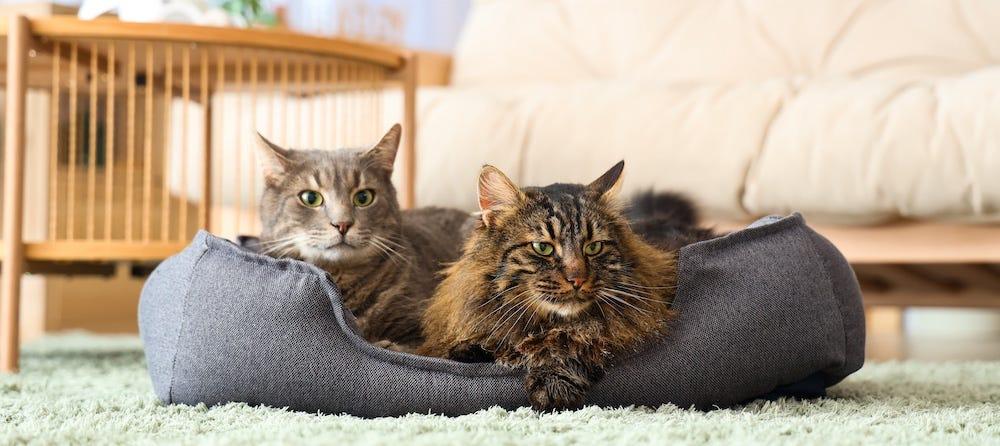
If your cats are fighting, it doesn’t mean you’ve failed or that they’ll never get along. Understanding why cats fight each other and giving them the right environment can make a huge difference. With patience, structure, and a step-by-step approach, many cats learn not just to tolerate each other, but to truly coexist.
Low drama, fewer swats, and a calmer home are possible; you just have to let your cats set the pace.