
If you've ever thought of cats as aloof, solitary, and independent, you may be surprised to know that cats want company! And, just like humans and other social animals, they may become bored or depressed if they're deprived of the companionship they crave. However, it's also a fact that not everyone is in a position to adopt a second (or third) feline to keep their first cat company.
If you are the parent of a single cat, you'll be glad to know that solitary cat status does not doom your kitty to a life of misery and boredom. There are plenty of things you can do to keep them purring by making his life stimulating and enjoyable.
What is single cat syndrome?
Single Cat Syndrome or Single Kitten Syndrome refers to a negative behavior pattern believed to happen when a kitten is raised without socializing with other cats. Without this crucial step in their development years, some kittens can develop a lack of boundaries and bite inhibition. Single cat syndrome behaviors can include:
- Rough play
- Excessive biting & escalating bite intensity
- Scratching
- Clinginess and separation anxiety
- Obsessive door‑waiting/screaming
- Destruction
- Persistent night-waking to play
- Aggression toward visitors or other pets
While not a formal diagnosis, it's a common concern among rescues, often addressed by adopting kittens in pairs or providing extensive enrichment and training to solo kittens.
Is single cat syndrome likely to develop?
Adopting a single cat or kitten typically only succeeds if the owner provides intense daily social/play enrichment or a same-age companion. Without it, many kittens develop persistent aggression, separation anxiety, and sleep disruption patterns that harm their welfare and make them hard to keep.
Here are the situations where it tends to form:
- Adopting kittens too early (especially before 8–10 weeks) often means separating them from their litter early, meaning they are less likely to have had enough social development.
- High-energy cat breeds without enough outlets. Some kittens, especially very playful, high-drive ones, struggle when their only playmate is a human who can’t replicate wrestling, chasing, and rough playing.
- Long hours of isolation. If the kitten is mostly alone because their humans work long days or have inconsistent schedules, the risk rises.
It’s less likely when:
- The kitten stayed with its litter until at least 12 weeks
- The home provides consistent play and enrichment
- Someone is home often
- The kitten is laid-back and independent
- The kitten has calm exposure to other animals
Left on their own, it's easy for single cats to become bored or lonely. This could result in health issues or behavioral problems. Some may even develop separation anxiety and act out their stress with undesirable behaviors like destroying furniture, spraying, excessive vocalizing, or aggressiveness.
How to prevent single kitten syndrome without getting another cat
You can absolutely help a single kitten grow into a well-adjusted, confident adult without getting a second cat. It just means you have to intentionally replace the social, emotional, and physical outlets another kitten would naturally provide.
Here are some tips to prevent single kitten syndrome:
Spend time playing with your cat (most important factor)
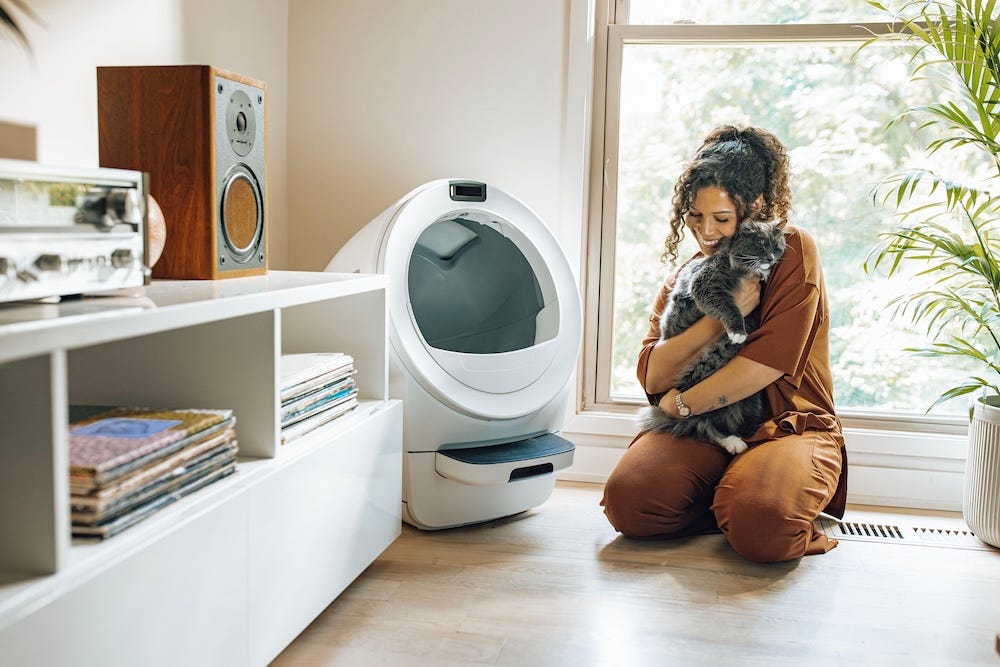
Bonding time is enjoyable for any cat, but it's especially important if you're the parent of a single cat. Make it a routine, the same time each day, so it's something your kitty can expect and look forward to. Spend some one-on-one time every day paying special attention to your cat, whether it's grooming, chatting, playing, or simply snuggling—whatever your cat (and you) enjoy the most.
Plan for 3–5 short play sessions a day. If they bite or get too rough: stop the play immediately for 5–10 seconds.
The right toys can provide endless kitty entertainment, but you may have to experiment a little to find what's fun for your cat. Maybe your cat is one of those who loves interactive activity, like chasing a string that you pull (just remember to put it away when you're done supervising!), but isn't exactly inclined to play spontaneously. Don't give up!
You may be able to introduce the element of surprise to capture kitty's interest by using a motion-activated toy. With a little trial and error, you should be able to discover a few toys that your cat finds irresistible. Remember to keep it fresh and change up playthings from time to time—just like us, cats get bored with the same old stuff after a while.
Provide predictable routines. Kittens thrive when they know when they eat, play, and rest.
Put your cat's favorites in rotation so they get tucked away for a while and then brought back out when it's time to freshen up the toy selection.
Build a rich environment to prevent boredom
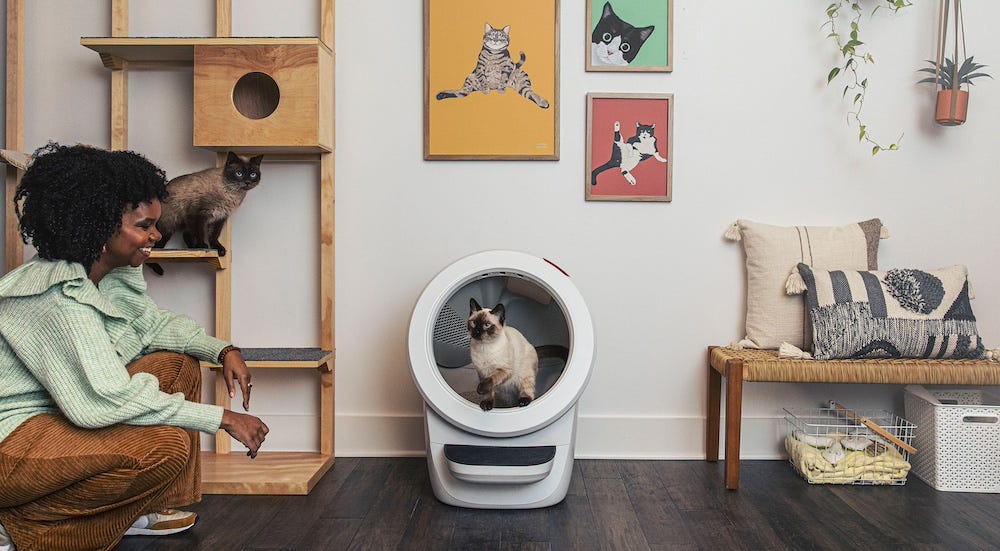
Cats love to climb, hide, and scratch. So, if you don't provide your single cat with an appropriate opportunity to indulge that love, you may return home one day to find that kitty's natural need for climbing or scratching has been filled by an attack on your sofa or curtains.
A cat tree provides the purr-fect (non-destructive) spot for your cat to scratch, stretch, climb, and survey his surroundings. You may even be able to make your own tree or scratching posts to save money and fit your space. If you don't have the room for a full-sized cat tree, many cats are just as happy with carpet squares glued to shelves and hung on the wall at a good jumping distance. Even a few simple cardboard boxes or paper bags scattered around can provide hours of entertainment!
Bring the outside to your cat
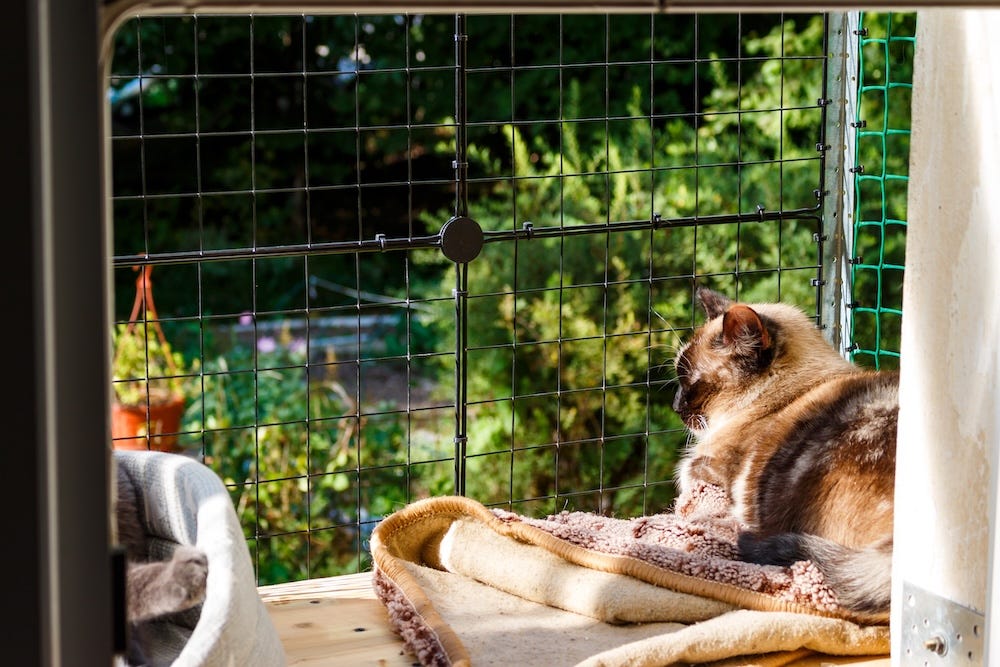
The world outside is just full of things that cat find fascinating—birds, bugs, squirrels, blowing leaves—what cat wouldn't love to spend the day exploring the big outdoors? As delightful as the outside may be, however, it's also full of danger.
As a matter of fact, the average life expectancy for an outdoor cat is 8-12 years shorter than indoor cats! The good news is that you can bring many of the wonders of the outside to your cat without exposing him to the risks. Put up a few cozy perches in sunny windows around the house or even a catio. If possible, put up a bird feeder outside one window to bring the entertainment up close!
A single cat can still be happy, healthy, and well-adjusted. Just make sure to set aside quality time for human companionship, and keep his environment entertaining and interesting.
Increase social contact
A single kitten needs more human interaction. Make sure you talk to them frequently, pet them often, and hold them gently daily. Inviting some friends over can also help socialize your cat.
Watch for red flags
Watch out for early warning signs that single-kitten issues are developing: persistent night-waking to play, escalating bite intensity, obsessive door‑waiting/screaming, aggression toward visitors or other pets address immediately or consider a same-age companion/behaviorist.