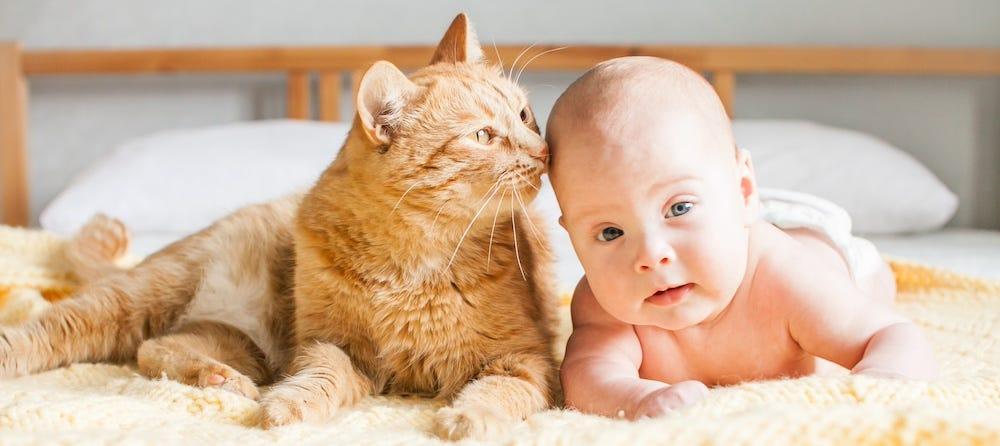


Here’s an understatement: When you’re a new parent, you have quite a few things on your mind. But if there’s one thing that you shouldn’t have to stress over, it’s making sure that your cat gets acclimated to the presence of your newborn. Read on for a few easy ways to make sure that your cat and your baby start off on the right paw.
Are Cats Good With Babies?
Cats can be wonderful companions for babies and children. While every cat is different, most felines are naturally curious but cautious, and they often prefer to observe from a distance at first. With gradual introductions and a little supervision, many cats become affectionate and protective toward the newest family member.
Cats thrive on routine and predictability—two things that might be temporarily disrupted by a newborn—so it’s important to maintain a sense of normalcy in their environment whenever possible. Keep up their regular feeding schedule, provide quiet, safe spaces, and don’t forget playtime.
Do Cats Know Babies Are Babies?
It’s a fascinating question: Do cats know babies are babies? While we can’t say for sure, many behaviorists believe cats recognize that infants are different from adults. They may be more gentle or cautious around babies, responding to their small size, unique scent, and unfamiliar sounds.
Cats also pick up on your body language. If you’re calm and nurturing around your baby, your cat will often mirror that relaxed behavior. But remember: cats don't instinctively know how fragile a baby is, which is why early supervision is essential.
Before baby arrives: Preparing your cat (and yourself)
Ease your cat into changes in routine and environment
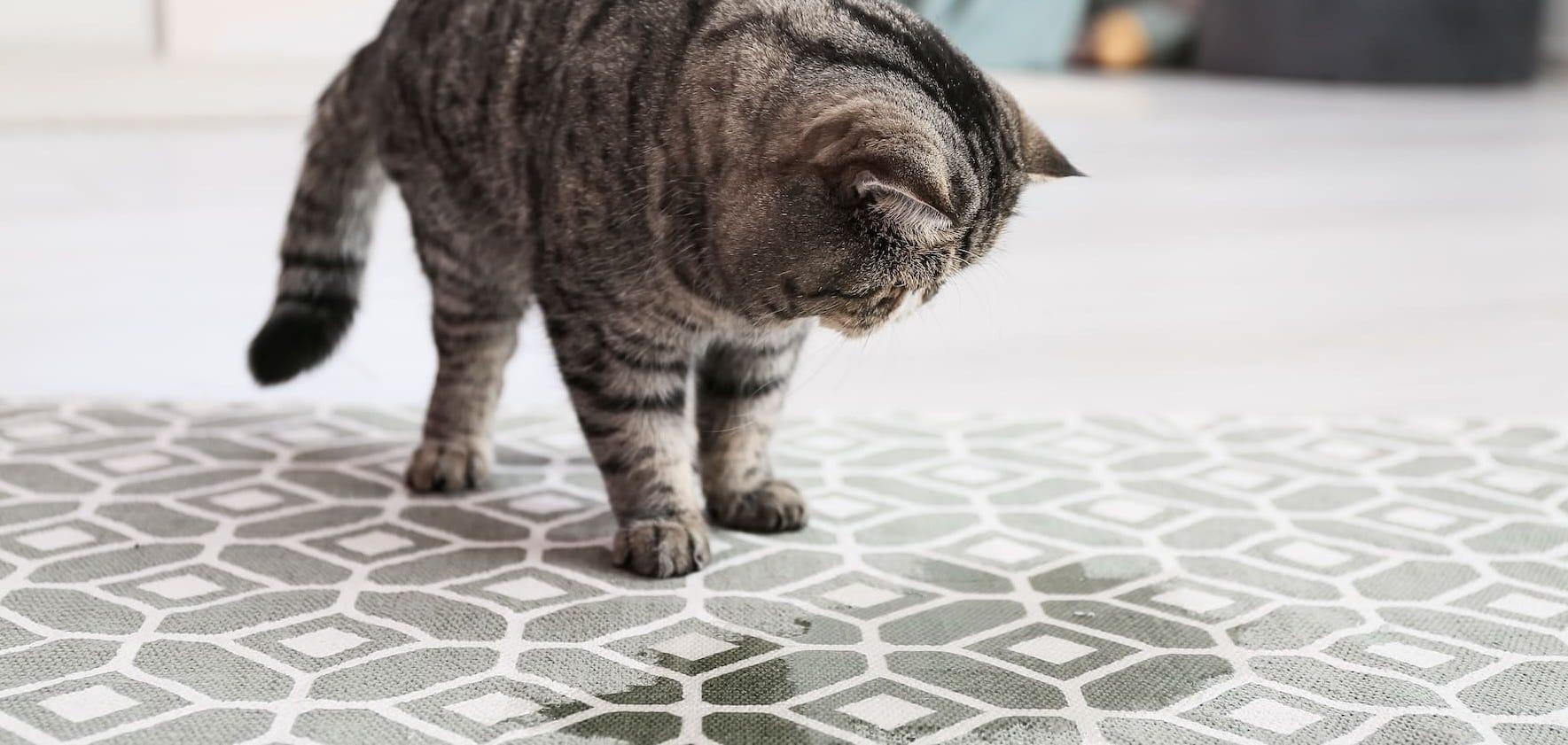
Cats are generally creatures of habit. Upsetting their routine with sudden changes can lead to behavioral issues, such as peeing outside the litter box or even aggression. Here is how to prepare your cat for situations that may arise before and after the baby comes.
- Nursery furniture: Your cat will inevitably want to explore new baby furniture. If you can’t close off the nursery completely, you can still train your cat to avoid jumping onto the crib or changing table and scratching the glider. Months before your baby arrives, temporarily place a sensory deterrent like double-sided tape or aluminum foil on one surface or edge of the furniture. Most cats will find this unpleasant and, in time, avoid it. Even if this does work initially, it is not often a long-term solution, and you should be intentional in ensuring your cat's safety if attempting to use these methods.
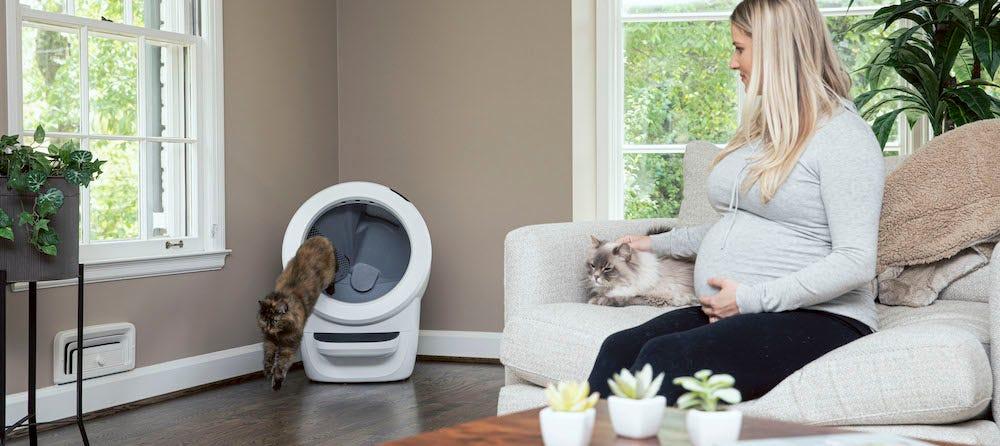
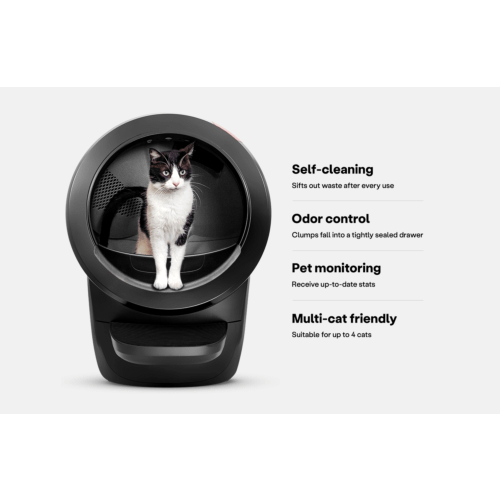
- Litter box: Whether you’re simply moving the litter box out of the new nursery or switching to a self-cleaning litter box due to toxoplasmosis concerns, be sure to give your cat time to adjust to bathroom changes.
- Sounds: Babies are adorable (most of the time), but they can also be very, very loud. Play online recordings of babies crying, gurgling, yelling, and laughing aloud in your home to give your cat a chance to get used to some additional noise.
- Smells: You can’t prepare your cat for certain unpleasant odors that come along with infants, but you can create positive associations for others. Introduce your cat to baby smells by mixing a small amount of formula, shampoo, or lotion into your skin. Then let them sniff you and reward them with a play session or a few treats. Visits from friends with young babies or toddlers can be helpful on this front as well.
- Playtime: Although play aggression likely won’t be an issue until your baby turns into a toddler (if at all), it’s best to prepare your cat now. Avoid playing games with your hands and feet. Don’t pet your cat to the point of playful aggression (like light biting or clawing). Also, ensure that your kitty has stimulating toys, as play time is often reduced as parents adjust to the new tiny human in the home. A laser pointer can be a great option to entertain your cat while tending to the new baby.
- New caregiver: If you are pregnant and normally the one who cares for your cat, get your partner on board with a transition before the baby arrives. Between feedings and catching up on sleep, you may not be able to spend as much time with your cat as they’d prefer. At the very least, make sure your cat is comfortable with your partner taking over essential day-to-day duties.
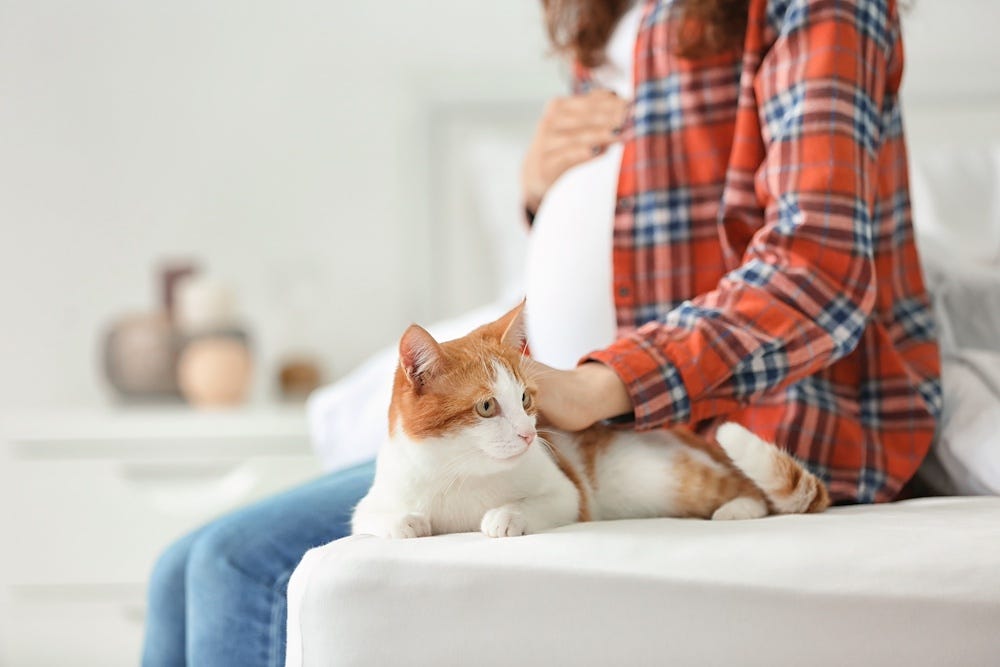
Cats are highly sensitive to changes in their environment and their humans. Some even believe cats can pick up on hormonal changes during pregnancy. Here’s what we know about whether cats can sense pregnancy.
Introduce your cat to another baby
Although slow transitions and sample noise can be helpful in getting your cat acclimated to the presence of a new baby, there’s just no substitute for the real thing. If you have friends or relatives who’ve recently had a baby of their own, let your cat have some face time with this little one. It’ll help them see what a baby is all about and offer you the opportunity to incrementally introduce a baby into your cat’s life.
When your own little one comes along, you’re going all in on this cat-baby relationship. So, it’s best, if possible, to let your kitty get a sneak peek of what’s to come.
After baby arrives: Acclimating your cat
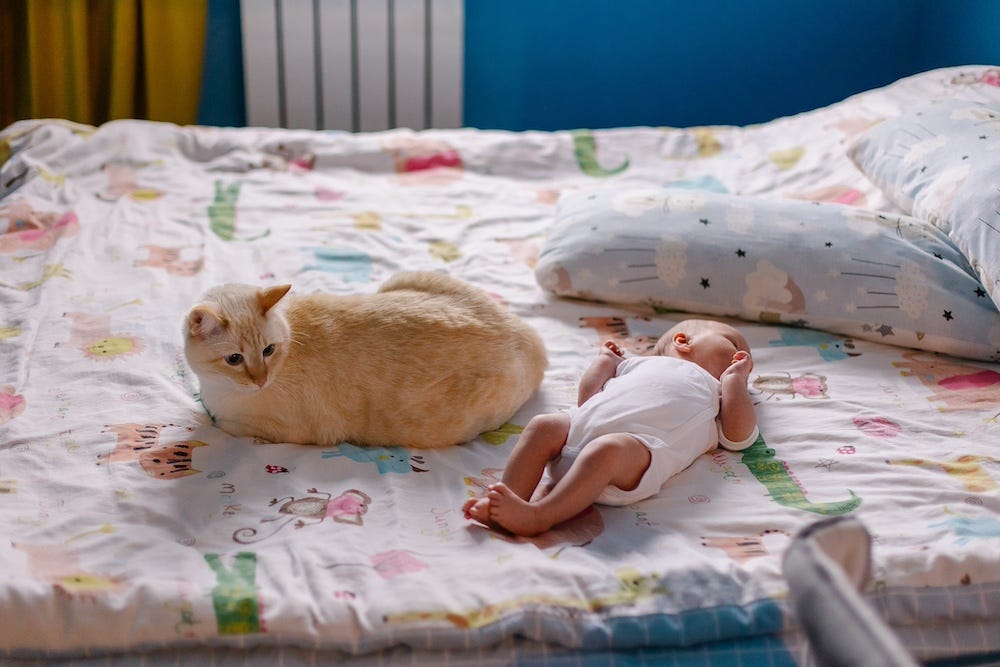
Try to keep life as normal as possible for your cat
- Early separation: After you bring the baby home from the hospital, calmly greet your cat in a separate room. It probably won’t be an issue if your cat glimpses your newborn, but you may want to hold off on immediate introductions.
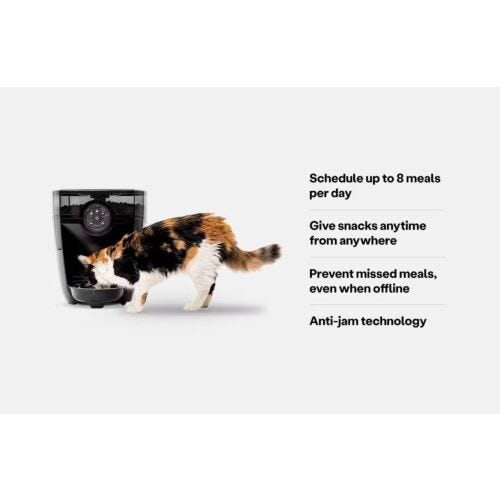
- Routine essentials: Give your cat water and food when they regularly expect it, and clean the litter box daily. If you find it difficult to keep up with scooping, try an automatic litter box like Litter-Robot.
- Attention: In the early days of babyhood, it’s inevitable that your cat will receive less attention than before. Even so, try to make time to play with your cat every day, brush them weekly, or even take a catnap with them if you can squeeze one in. If you’re a single parent, ask a friend or family member to pay your kitty some extra attention, or hire a pet sitter to help.
- Combating stress: If your cat seems anxious about all the new changes, try cat pheromone diffusers like Feliway or natural veterinary supplements like Zylkene and Solliquin. Talk to your vet if you see no improvement or the stress worsens.
- Preventative medications: Stay on top of your cat’s health with preventative aids like flea and tick medications. The last thing you want to deal with alongside caring for a newborn is a flea outbreak.
- Adapting to new environments: In addition to preparing your cat for life with a baby, it's important to help them adjust to any changes in their environment or routine. If your cat is also getting used to new accessories like the Litter-Robot, this guide on acclimating your cat can help ease the transition.
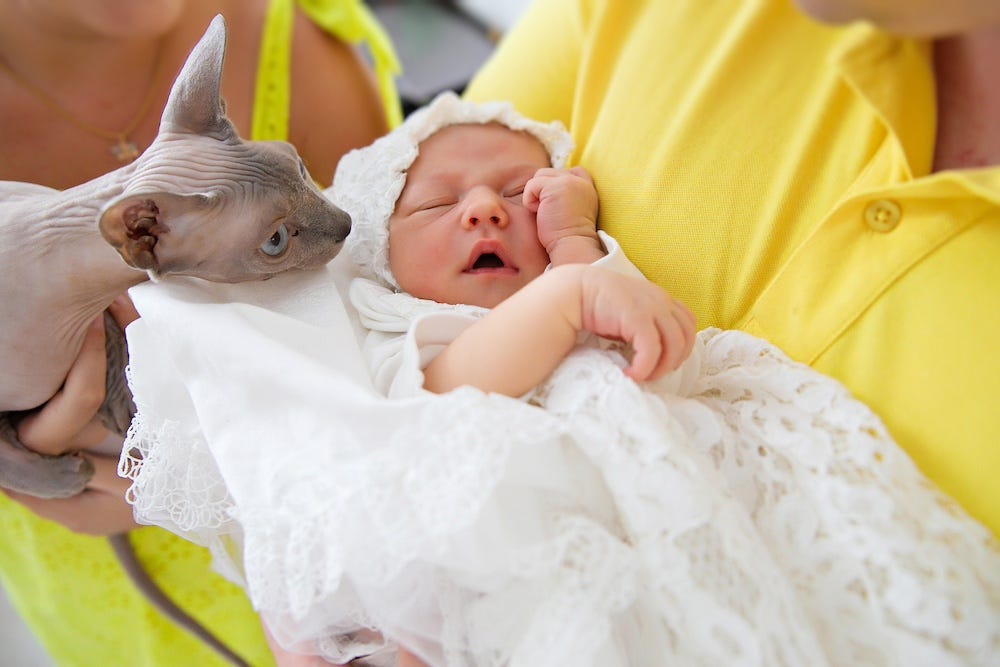
Introduce your cat and your newborn the right way
- Baby’s scent: Before a face-to-face meeting, familiarize your cat with your baby’s scent. Place a used baby blanket, hat, swaddle, or other piece of clothing in a quiet area where your cat can investigate it.
- Safe sleeping: Make sure the baby’s crib, bassinet, and other sleeping locations are off-limits to your cat. Keep the door closed at night and during naps. If there is no door, place a crib tent or canopy over the sleeping area to keep your cat out.
- Calm supervision: When it’s time for your cat and baby to meet, be calm; your cat will pick up on your stress. Allow your cat to sniff the baby. Supervise, but let your cat take the lead—don’t force them together.
- Down the road: As your baby becomes mobile, make plans to block off the litter box with a baby gate. Don’t let your cat sleep with your baby unsupervised until they are an older toddler. And don’t forget to brush up on tips to help cats and kids get along.
Is it safe to have cats around newborns?
It is perfectly safe to have cats around newborns as long as you take certain precautions. Most importantly, don’t let your cat sleep with your baby. While unlikely, some cats are drawn to a newborn’s warmth and scent; unfortunately, at this age, sleeping together poses a suffocation risk. Always supervise interactions between your cat and baby.
Our last tip for introducing cats and newborns? Snap a picture of this precious moment! It is just the first of many interactions, and the two will be fast friends in no time.