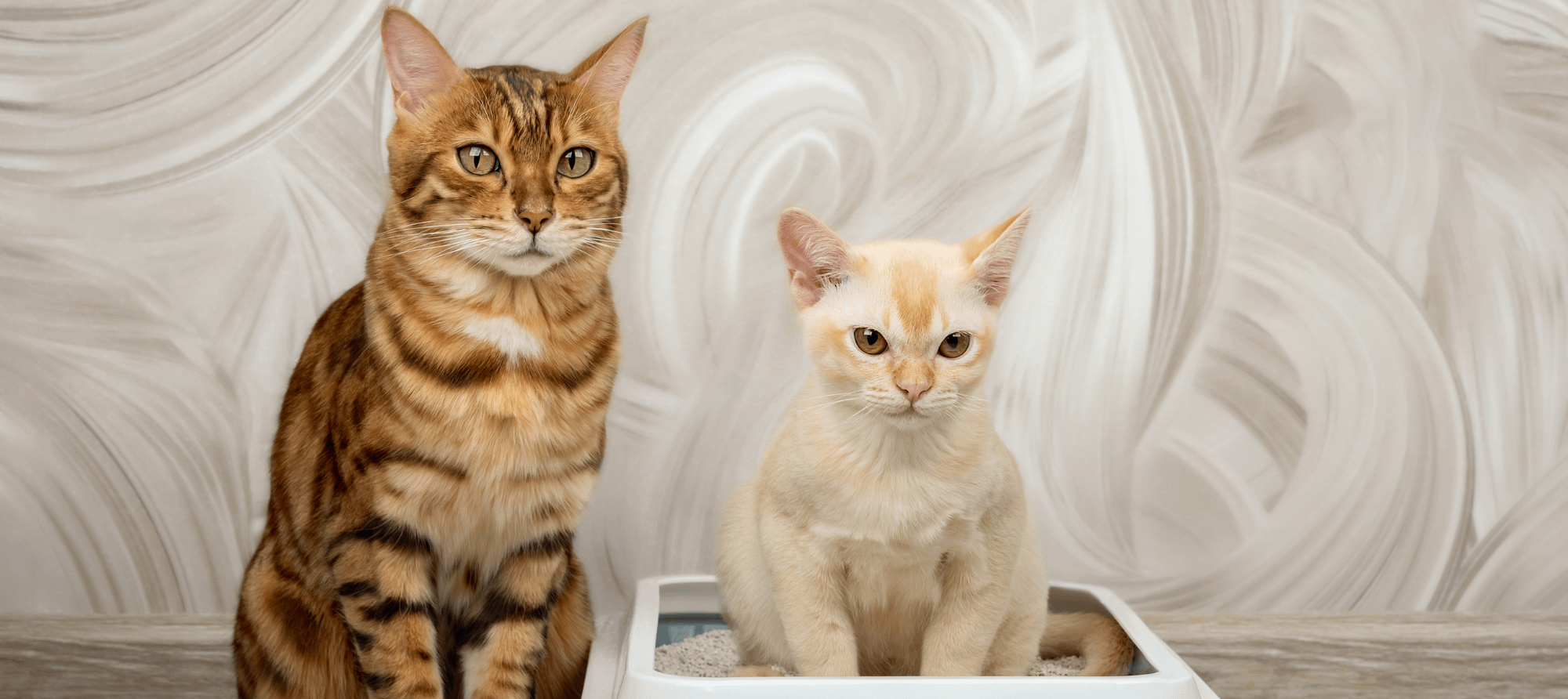


You just adopted a second cat and now you’re wondering: do you really need another litter box?
Technically, yes, cats can share a litter box. But in practice, most experts agree they shouldn’t rely on just one. Even cats that seem to get along can run into stress, health, or behavioral issues when forced to share.
In this guide, we’ll break down why litter box set up matters more than you think, the signs you cats aren’t happy sharing, and how to create a setup that actually works for a multi-cat home.
Why cats are particular about their litter box
Cats may live together, but when it comes to bathroom habits, they’re not exactly team players.
In the wild, cats instinctively:
Unlike dogs, cats are communal about this behavior.
They tend to see the litter box as personal space, not a shared resource.
So what happens when two cats are forced to share one box? Often, tension builds — especially if one cat feels like access is limited or the space “belongs” to the other.
5 signs your cats aren’t OK sharing a litter box
Not all cats will make it obvious, but there are some clear red flags that your current setup isn’t working.
Watch for:
- Blocking or ambushing near the box – One cat guards access or startles the other during use.
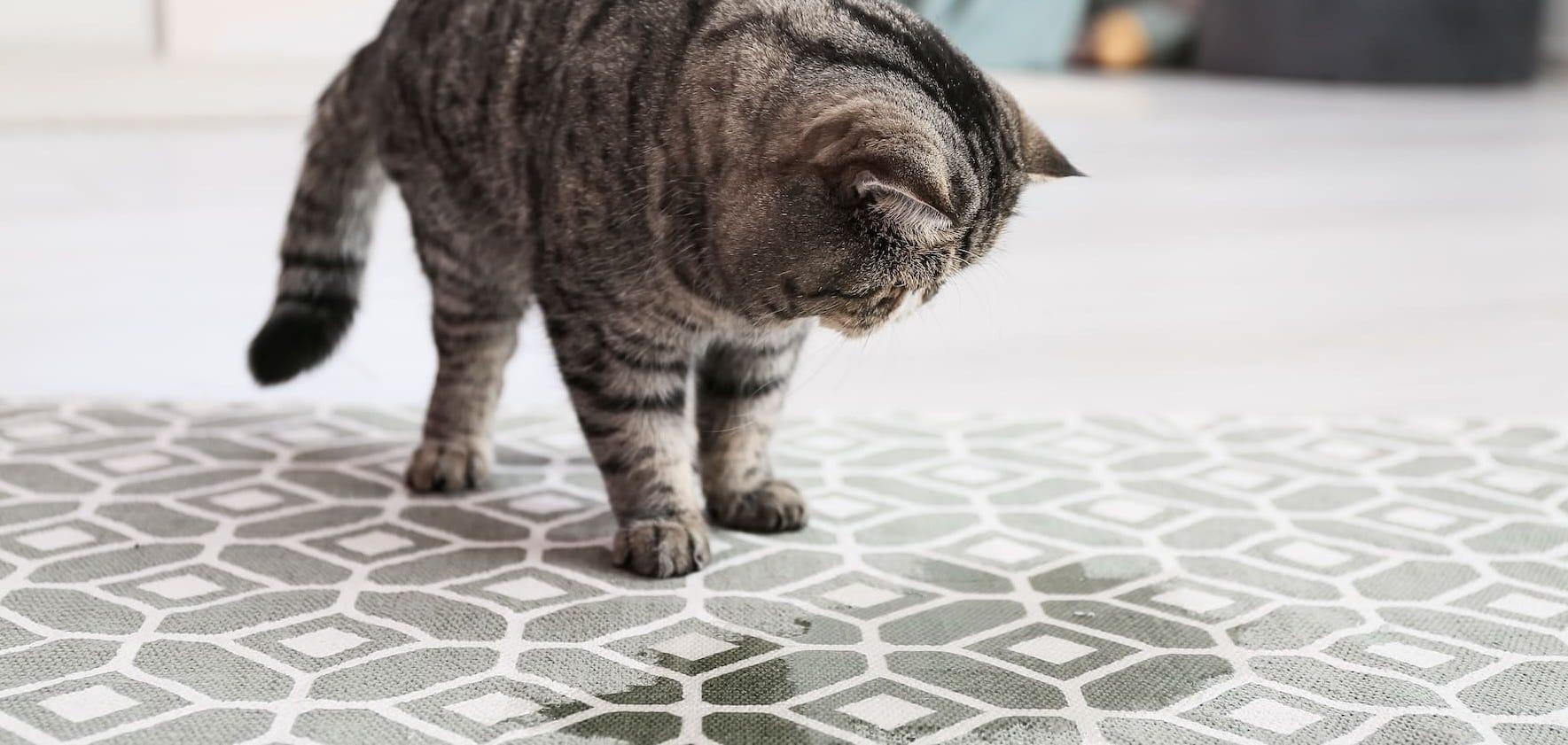
- Accidents outside the box – Urine or feces showing up elsewhere in your home.
- Stress behaviors like over-grooming – Excessive licking, hiding, or general anxiety.
- Holding it too long – A cat suddenly stops using the litter box altogether, which can lead to health issues.
- Increased aggression or avoidance – More tension, fighting, or one cat withdrawing completely.
If you’re seeing even one of these signs, a single litter box setup likely isn’t cutting it.
Risks of sharing a single litter box
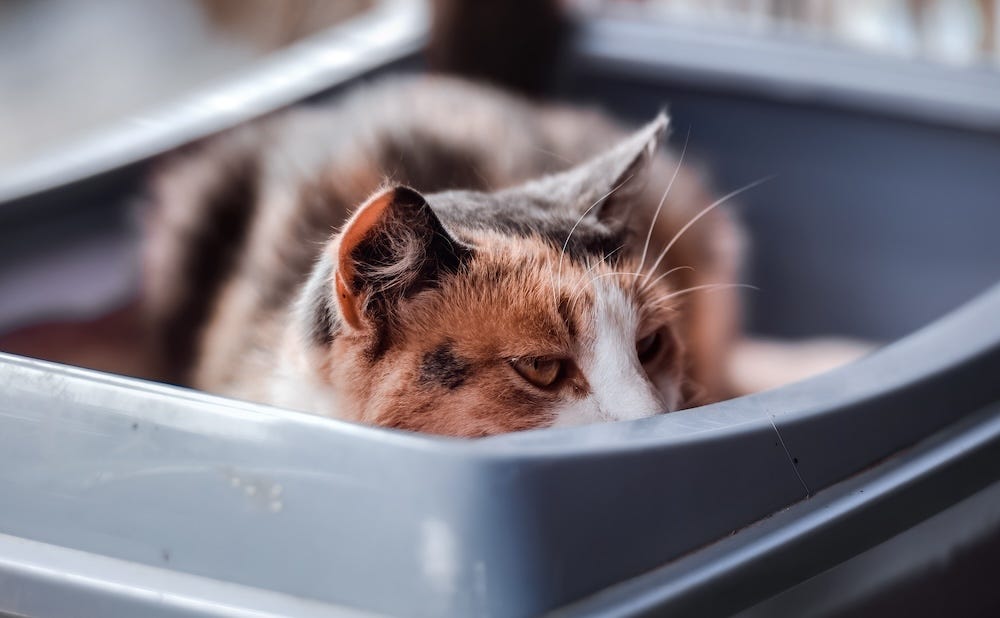
It’s not just about convenience. Sharing a litter box can create real problems.
Territorial conflict
One cat may claim the box, leaving the other feeling unsafe or unwelcome.
Health risks
It’s harder to track individual bathroom habits, there’s an increased risk of UTIs or other issues if a cat avoids the box, and there's the potential for parasite transmission in shared spaces.
Stress and anxiety
This is especially true for cats that aren’t bonded or have different personalities.
When sharing a litter box can actually work
There are situations where sharing can work, at least temporarily.
For example:
- Bonded pairs raised together
- Cats with relaxed, low-territorial personalities
- Homes with large boxes and very frequent cleaning.
Even then, it’s not ideal long-term. Even if your cats can share, it’s still smart to provide at least one additional box as a backup.
How many litter boxes do you actually need?
The gold standard for the number of litter boxes is to follow the “n+1” rule:
One litter box for each cat, plus one extra.
So, for example:
- 2 cats = 3 boxes
- 3 cats = 4 boxes
Why the extra? It gives cats options and prevents resource guarding.
A few key tips:
- Don’t place boxes side by side, as cats often see them as one territory
- Spread them out across different rooms or floors
- Keep them away from food and water areas
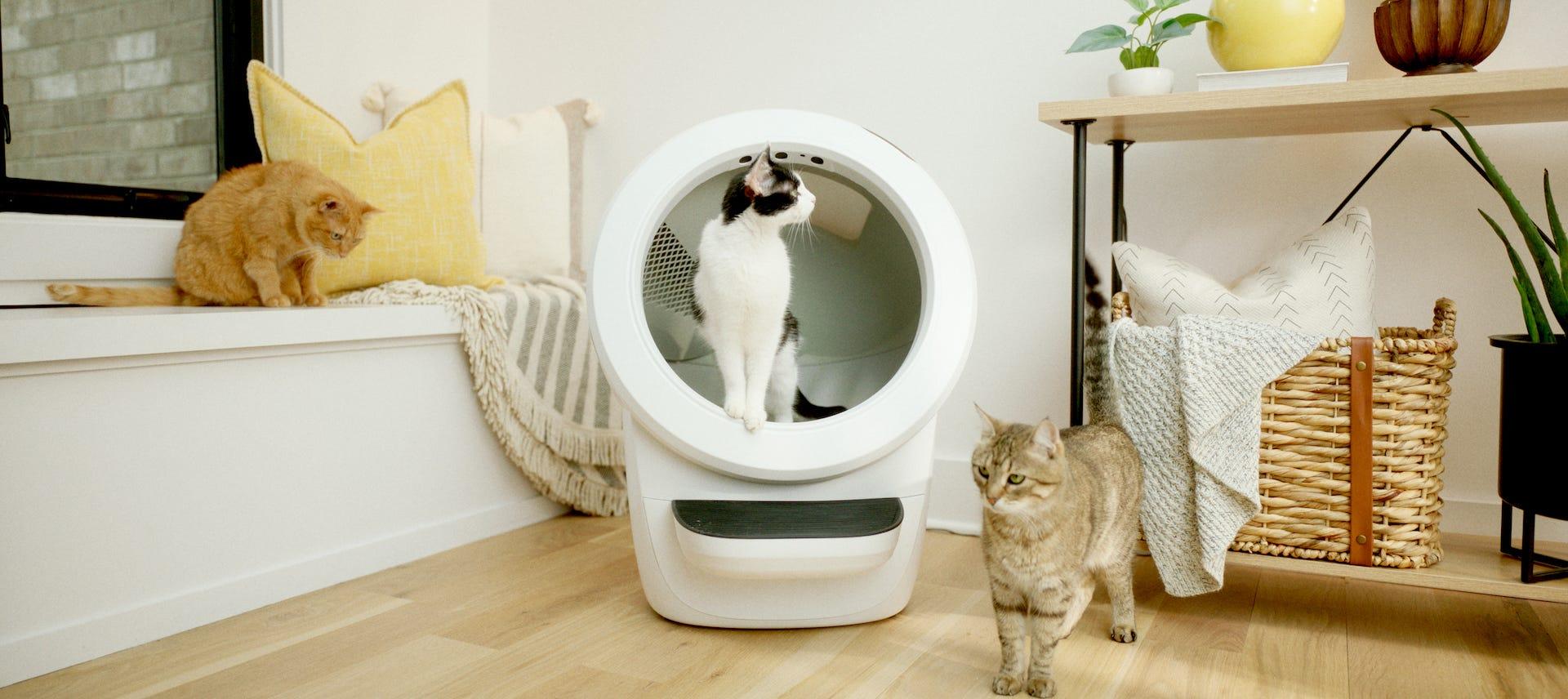
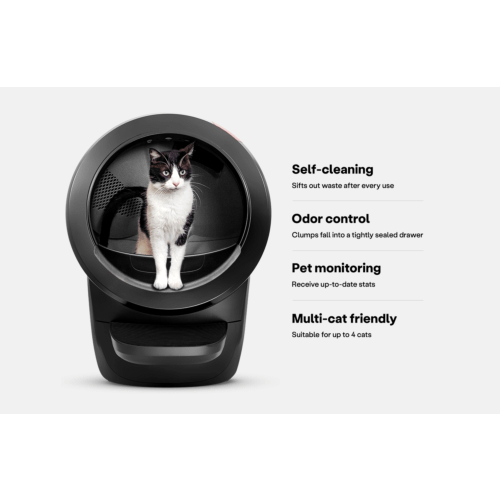
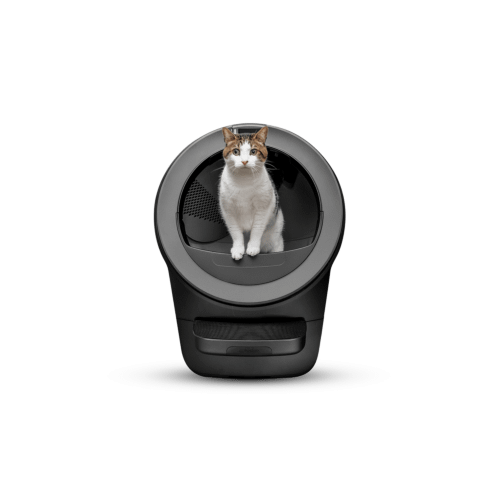
If you're opting for a self-cleaning litter box instead, note that automatic waste cleaning reduces the need for multiple litter boxes. A self-cleaning litter box like Litter-Robot 5 can accomodate up to 5 cats, meaning you can replace up to 6 litter boxes with a single Litter-Robot!
How to transition from one litter box to multiple
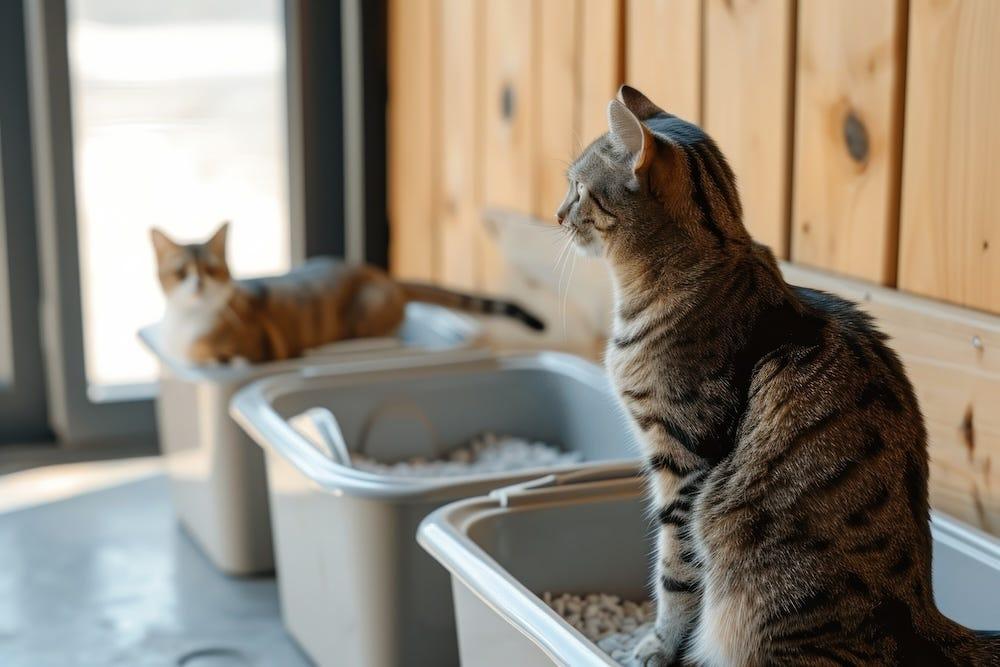
Adding more litter boxes doesn’t have to be complicated.
Step-by-step:
- Add a new box in a quiet, separate location
- Keep the original box where it is
- Let your cats discover the new one naturally
- Observe usage over 1 to 2 weeks
- Adjust placement based on their preferences as needed
If a cat ignores the new box, try changing the litter type, location, or box style. Sometimes small tweaks can make a big difference.
Choosing the best litter box for a multi-cat home
Not all litter boxes are created equal, especially when multiple cats are involved.
What to look for:
- Size matters – At least 1.5x the length of your largest cat
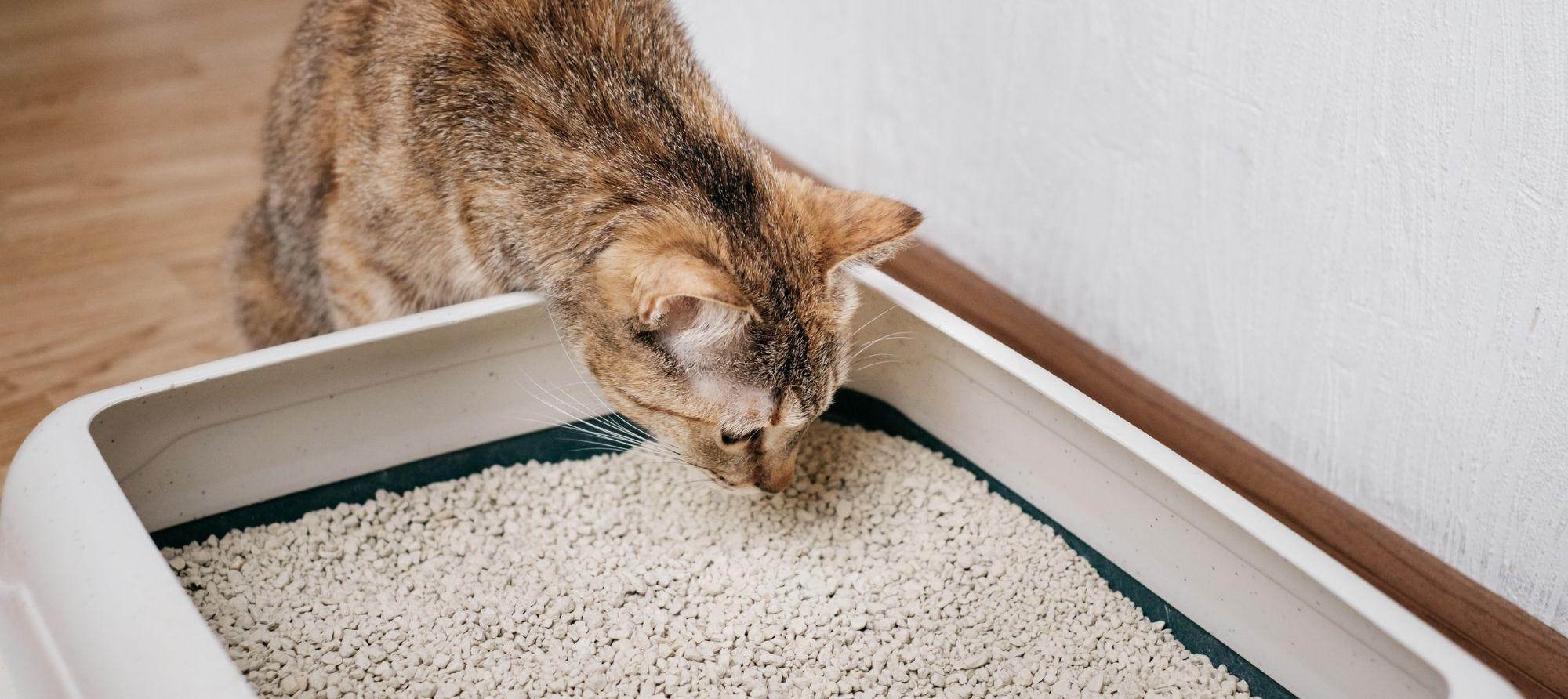
- Open vs. covered – Most cats prefer open boxes for visibility and airflow
- Self-cleaning options – Automatic cleaning keeps the box consistently fresh, minimizing territorial issues with multiple cats and the "this smells like the other cat" issues
- Durability – Multi-cat households mean heavier use, so sturdier materials matter
How to figure out which cat has a litter box problem
When something’s off, figuring out which cat is the source can be tricky. Here are a few ways to narrow it down:
- Temporary separation – Give each cat their own space and box for a short period
- Different litter types or colors – Helps identify who’s using which box
- Smart litter box tracking – Some systems track weight and usage patterns
- Know when to call the vet – Especially if you notice changes in frequency, volume, or consistency
Keeping multi-cat litter boxes clean & odor-free
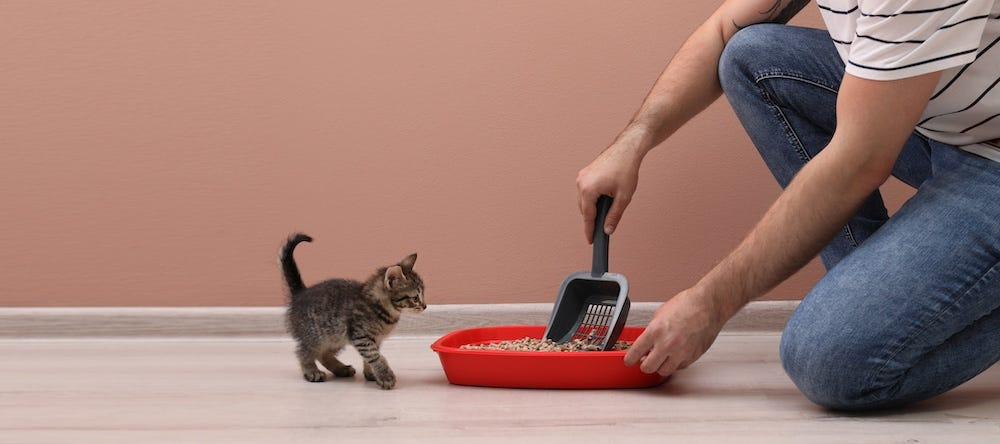
Keeping litter boxes clean in a multi-cat home isn’t just about smell — it directly impacts your cats’ willingness to use them. When boxes get too dirty, cats are much more likely to avoid them altogether, which can lead to accidents and stress.
Vets recommend scooping the litter box at least once a day,
Though twice is ideal if you have multiple cats. Staying consistent with litter levels also helps. Top off as needed so the box always feels usable and familiar to your cats.
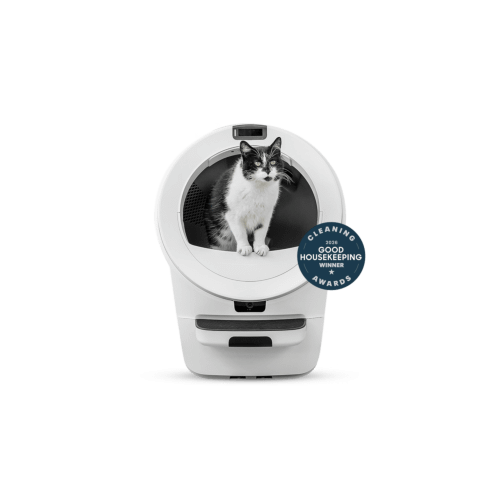
If you find either task difficult to keep up with, especially with multiple cats, consider upgrading to a self-cleaning litter box like Litter-Robot 4 that also has automatic litter refill accessories.
Beyond daily maintenance, it’s important to build in a regular deep-clean routine. Weekly and monthly care should include:
- Fully changing litter regularly
- Washing and drying boxes thoroughly
- Deep cleaning surrounding areas
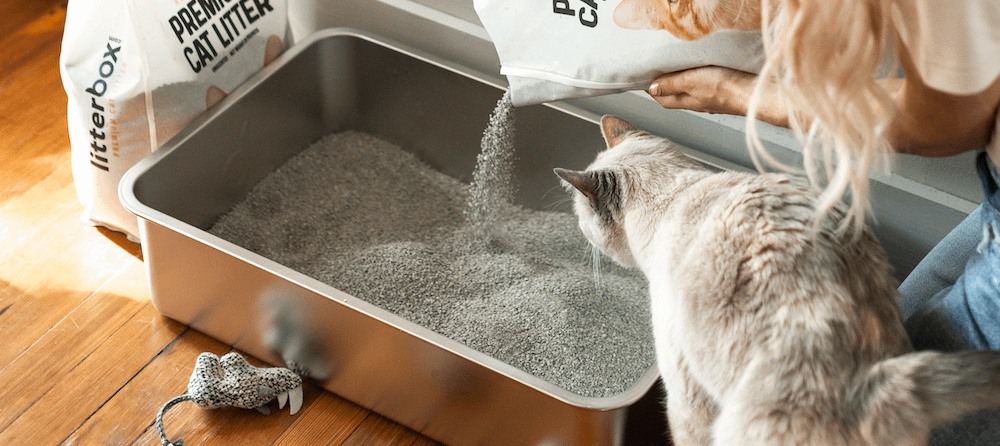
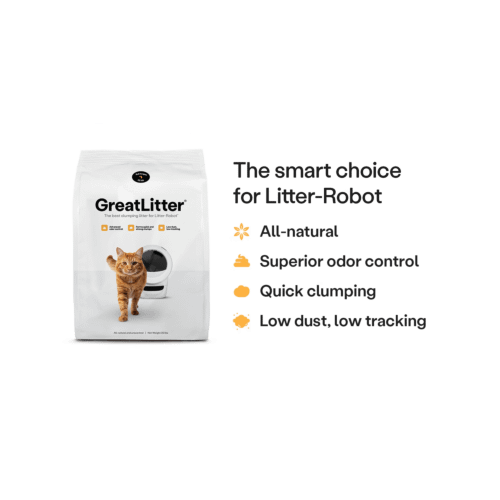
Don’t overlook the type of litter you're using, either. The best litter for multiple cats needs to be designed for strong odor control and high traffic can make a noticeable difference in keeping both your home and your cats happy.
FAQ
Can two kittens share a litter box?
Yes, at first, but as they grow, you’ll want to add more boxes.
Can cats share a self-cleaning litter box?
Yes, and it often works better than a traditional box since it stays cleaner between uses.
What if my cats refuse to use separate boxes?
Try adjusting placement, litter type, or box style. Sometimes it takes trial and error to find what each cat prefers.
While two cats can share a litter box, it’s rarely the best setup for their health or happiness. Following the “n+1” rule gives your cats the space and flexibility they need and helps prevent stress, accidents, and medical issues.
If you’re unsure whether your current setup is working, use the signs above as a checklist. Small changes like adding an extra box or upgrading to a self-cleaning option can make a big difference in a multi-cat home.