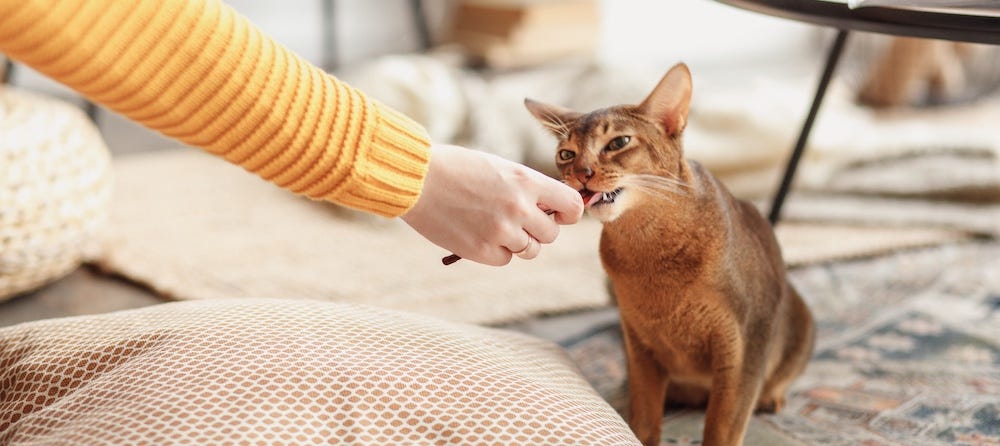


It can be a little heartbreaking when your cat doesn’t greet you at the door, avoids your cuddles, or gives you the occasional hiss. If you’ve ever thought, “Why does my cat hate me?”, you’re not alone. But here’s some good news: your cat probably doesn’t hate you at all.
There are a lot of other reasons behind their seemingly cold or distant behavior. Once you understand what might be going on, you can take steps to strengthen your bond.
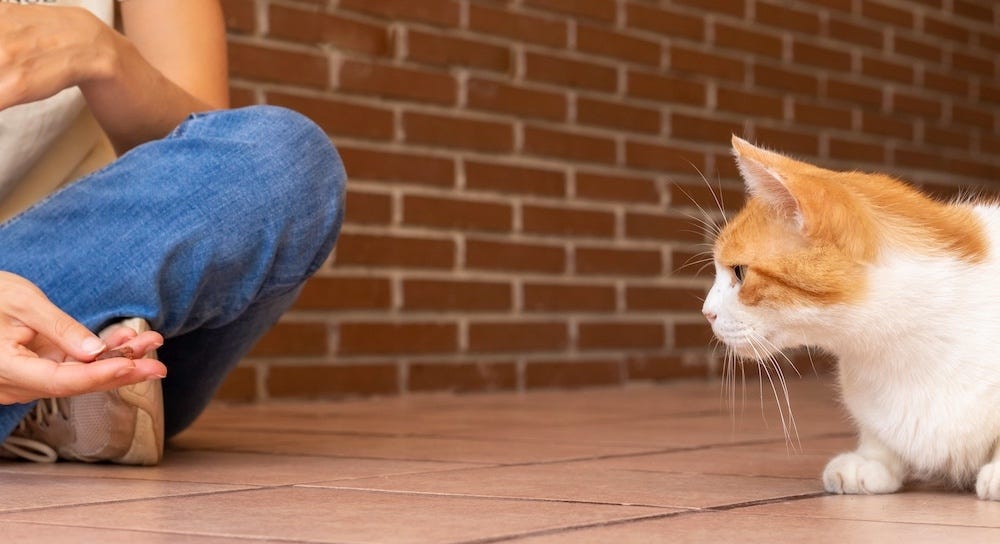
Why does my cat hate me?
The short answer? They don’t! Cats may seem aloof or even hostile, but those behaviors usually come from fear, anxiety, discomfort, or past experiences, not from a place of hate.
-
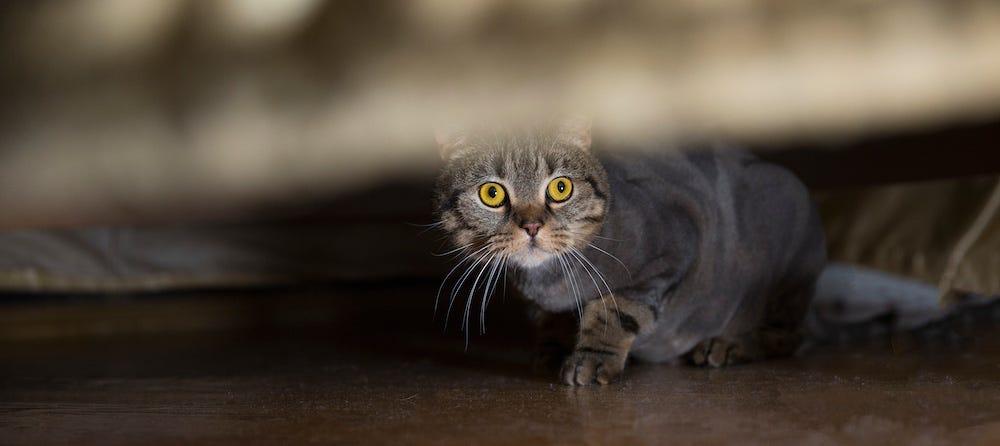
They’re feeling scared or overwhelmed. Cats are naturally cautious creatures, and when they’re scared or overstimulated, they may respond by hiding, hissing, swatting, or giving you the cold shoulder. New environments, loud noises, unfamiliar people, or even strong scents can set them off.
-
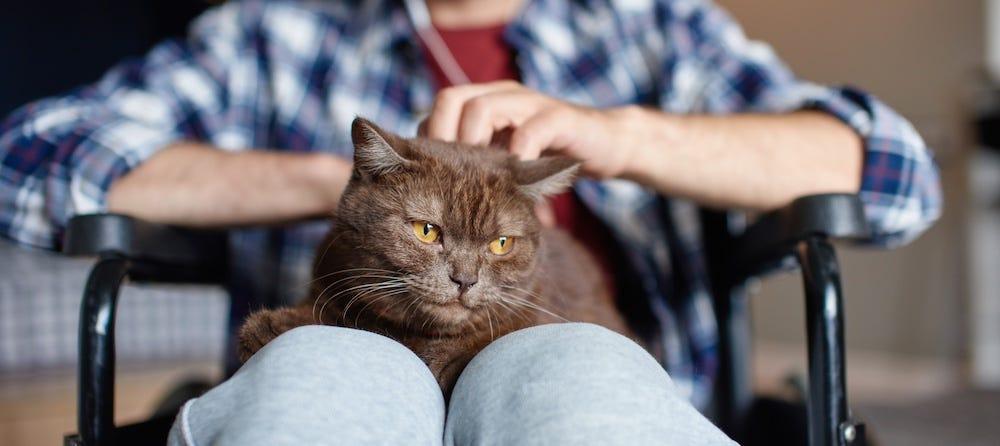
You may be coming on too strong. While some cats enjoy cuddles, others prefer a more low-key approach. If you’re constantly trying to pick up or pet your cat when they’re not in the mood, they might start avoiding you altogether. Let your cat take the lead when it comes to interaction.
-
They’re not used to humans (or you just met). If you recently adopted your cat or they weren’t well-socialized early on, it can take time for them to trust you. Be patient — earning a cat’s affection is often a slow and steady process.
-
Your cat may not be feeling well. Sudden changes in behavior, like avoiding you when they used to be affectionate, can be a red flag for pain or illness. If you suspect something might be off, it’s worth a check-up with your vet.
Attachment styles in cats
Just like human babies, cats can also form various attachments to their humans; these attachment styles play a key role in how they interact with you. Three common styles of attachment in cats are secure, anxious, and avoidant.
- Cats with a secure attachment style are more likely to engage in behaviors that we often interpret as happy cats who love their owners.
- Cats with anxious or avoidant attachment styles are more likely to behave with fear, anxiety, or hostility as mentioned above.
Reconditioning cats to have a more secure attachment style takes empathy and dedication.
How to get a cat to like you
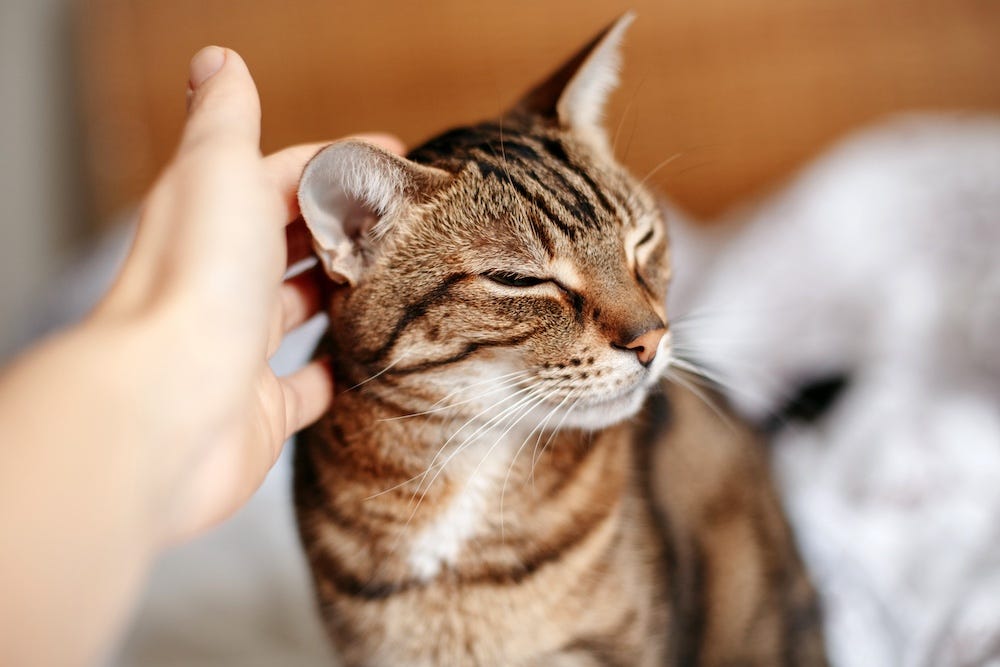
Now that we’ve ruled out hatred, let’s talk about how to improve your relationship with your cat. Building trust takes time, especially if your cat is shy or anxious, but it’s definitely doable with a little consistency and compassion.
Here are some tips that can help:
Let them come to you
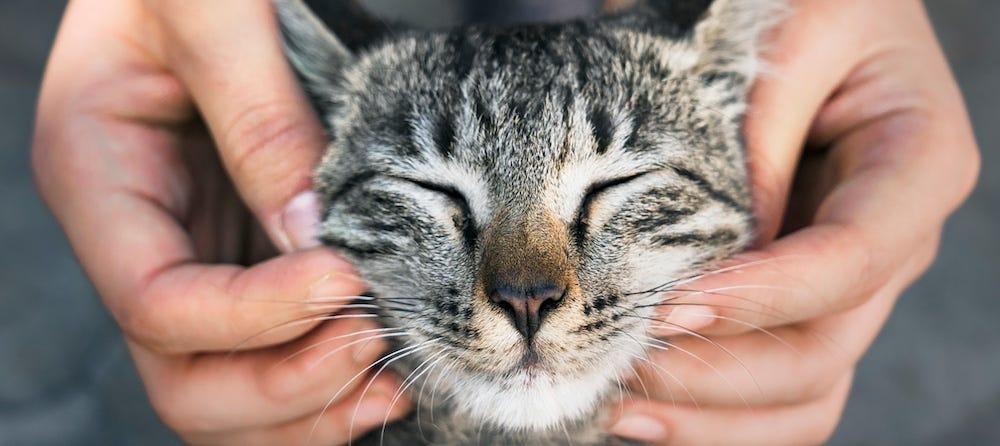
Give your cat the space to approach you on their own terms. Sit quietly in the same room and let them investigate when they feel comfortable. It might be hard not to reach out to pet them, but it’s important to let them have a say in the attention.
Offer treats and playtime
Positive associations go a long way. Use treats or interactive toys (like wand toys or feather teasers) to engage your cat in a fun, low-pressure way. Also offering treats with nothing required in exchange can help break down barriers and build trust.
Speak their language
Slow blinks, a calm tone, and soft body language can help your cat feel safer around you. Avoid sudden movements or loud voices, which can come off as threatening. Talk to your cat, too: It doesn’t matter that they may not understand, but the additional effort may go a long way for some.
Make sure their needs are met
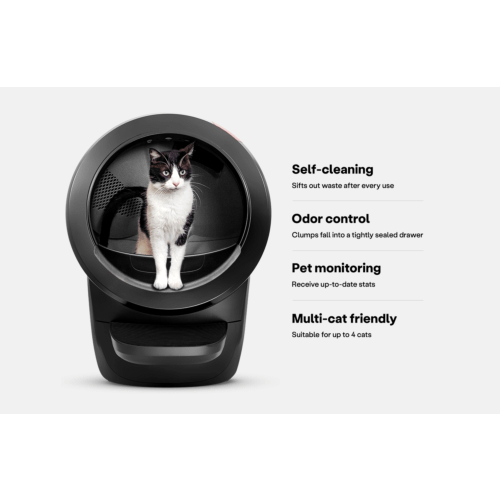
A happy cat is more likely to be a friendly cat. Make sure they have fresh water, high-quality food, scratching posts, safe hideaways, and a clean litter box. (Scoop daily or consider getting a self-cleaning litter box for extra convenience.) Also, make sure that your cat receives routine veterinary care. A healthy cat is a happy cat.
Create a routine
Cats thrive on predictability. They find comfort in routines; the consistency contributes to their sense of security. Feeding them, playing with them, and just spending time together at the same time each day can build trust and comfort.
Give them time
Especially with newly adopted or formerly stray cats, don’t rush the relationship. Building trust can take days, weeks, or even months, but it’s worth the wait. Events that cause you to feel stressed can cause your cat stress, too. So, time is a huge factor in creating that forever bond.
If you need more help figuring out how to get your cat to like you, consider scheduling an appointment with your veterinarian or a veterinary behaviorist. They may have valuable recommendations to help your relationship with your cat grow and flourish.
FAQ
Why doesn’t my cat like to cuddle?
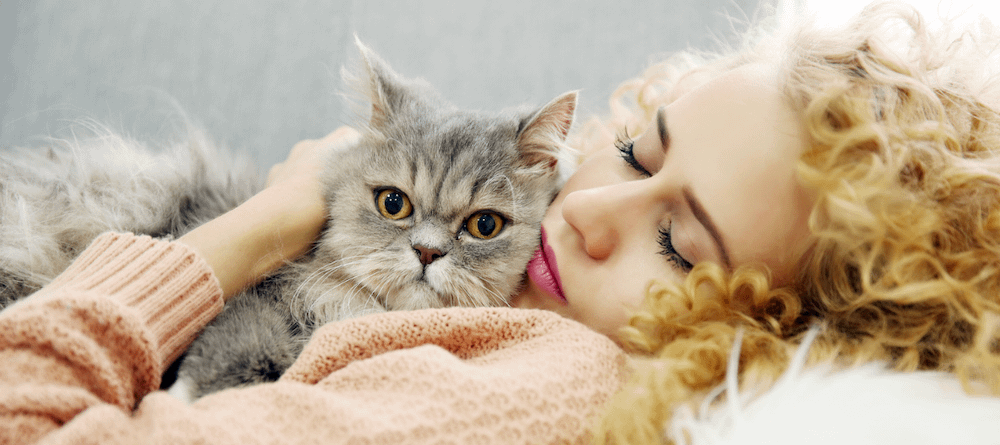
Not all cats are snugglers, and that’s okay. Some prefer to show affection by sitting nearby or following you around the house. Respect their preferences, and they may eventually warm up to more physical affection—but if not, love can still come in many forms.
Why doesn’t my cat sleep with me anymore?
Cats often change their sleeping habits based on temperature, age, health, or comfort. If your cat suddenly stops sleeping with you, consider whether something has changed, like a noisy fan, a new bedmate, or a change in routine. Also, if your cat seems withdrawn or lethargic, a vet visit may be necessary to rule out health issues.
Sources:
- The effects of owner-cat interaction on oxytocin secretion in pet cats with different attachment styles
- Methods for Encouraging Your Cat to Like You
- How to Protect the Bond Between You and Your Cat