

Got a thing for grey cats? So do we—after all, they’re soft, sleek, and stunning. In the feline world, “grey” and “blue” are often interchangeable. You’ll find grey/blue coat colors within almost any breed, but today we’re highlighting some of the best-known grey cat breeds! Whether you’re a long-time grey cat lover or thinking about making one a part of your family, read on for everything you need to know!
Russian Blue
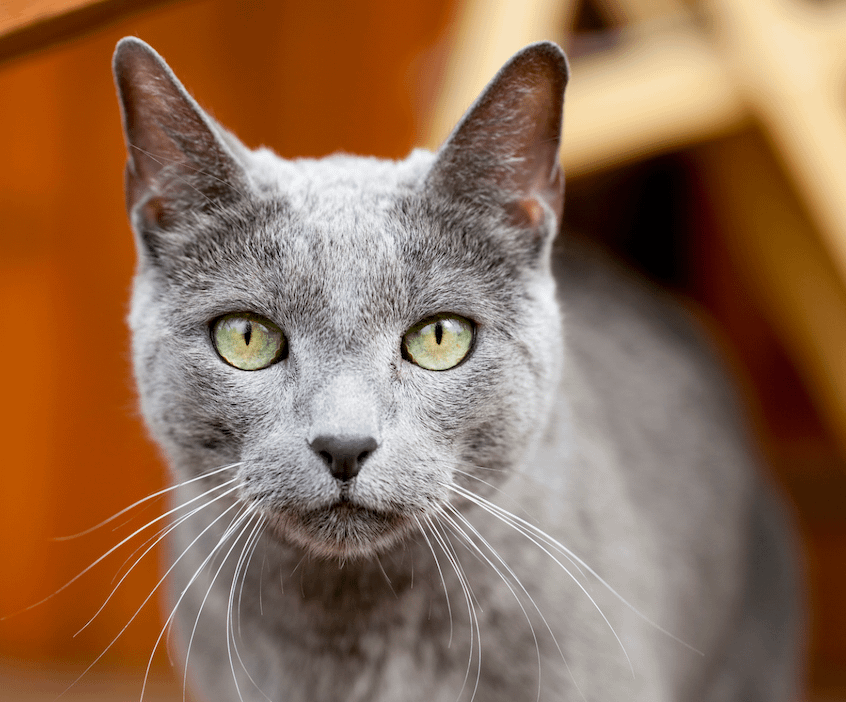
The Russian Blue cat is long, slender, and muscular. They sport a blue-grey double coat that is plush and silky to the touch, making them appear somewhat larger than they are. As kittens, their round eyes are yellow; with age, they become a vivid green.
This grey cat is playful yet reserved—they will often take to one person and resist strangers and new environments. They're also very nitpicky about hygiene and having a clean litter box. In fact, they may not even enter the litter box if it is dirty. (This is where a self-cleaning litter box comes in handy!) The Russian Blue cat is known for its love of food and may face obesity if allowed to eat as much as it wants.
The Russian Blue is believed to have originated in Russia; indeed, the breed’s warm, thick coat suggests it was long accustomed to surviving in a cold climate. According to some legends, the Russian Blue was once the target of hunters, whose fur resembled the luxuriant fur of seals.
Korat
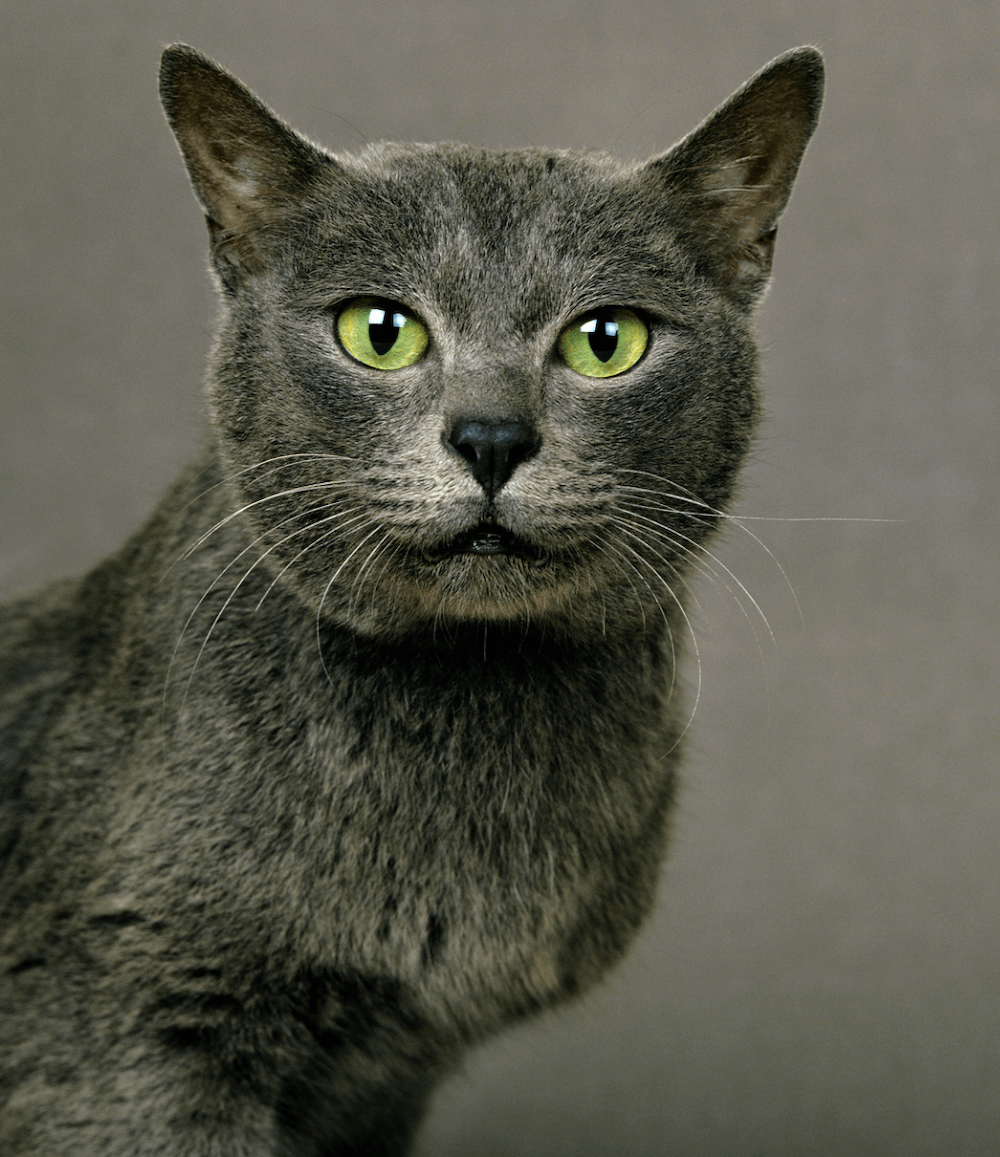
The Korat cat is one of the oldest and naturally purest breeds found today. They have a blue-grey coat tipped in silver, which gives them a phosphorous-like glow. Although it starts life with bright blue eyes, they gradually change to amber and finally bright green. This grey cat is small to medium in size but also muscular.
The Korat is a social, attention-seeking cat. They love to snuggle, play, and bond with their family. Although they generally get along with other animals, they may become jealous if another pet receives too much attention.
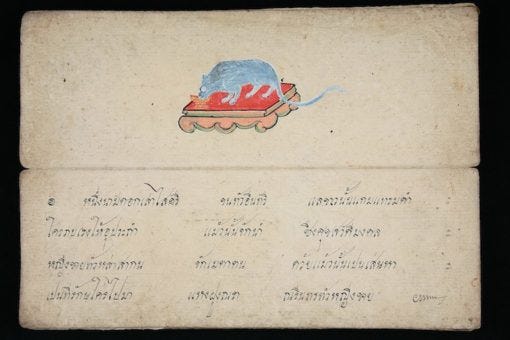
These cats originated in Thailand, making their first illustrated appearance in a tamra maew, a Thai book of cat poems, written between the 14th and 18th centuries. Since then, the Korat has held a cherished place in Thai culture as a prosperity, health, and good luck. They are a relatively rare find in American households.
Chartreux
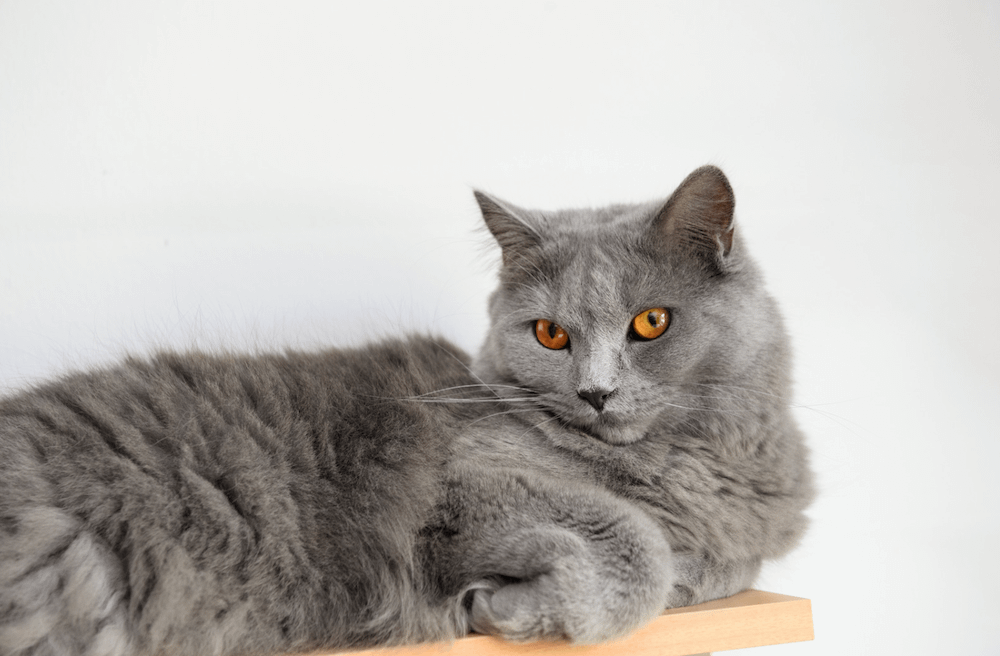
Chartreux cats are often described as looking like a “potato on toothpicks” because of their robust body and thin legs. Their blue-grey coat is dense and water-repellant. They are well-muscled and energetic, living up to their reputation in French literature as fine mousers.
They are born hunters but are also good-tempered, loyal, and quiet. This grey cat breed is playful and fun-loving and may enjoy a game of fetch. They’re even known to become familiar with their name and respond when called.
The Chartreux is said to have been bred by monks in the order’s head monastery, Grande Chartreuse, in the French Alps. These grey cats were supposedly trained to have quiet voices so as not to interrupt meditation (this hasn’t been verified, however).
Nebelung
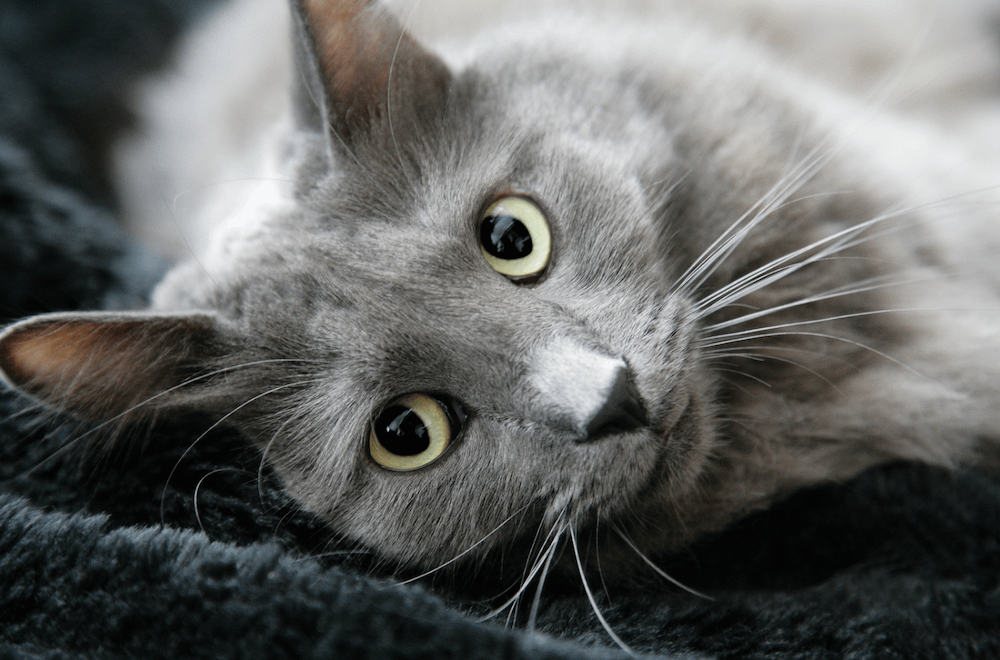
The Nebelung cat is often compared to the Russian Blue with their dense blue-grey coat and bright green eyes—however, the Nebelung’s fur is semi-long and accented by silver-tipped guard hairs. They are as graceful and muscular as their shorter-haired counterparts.
They are mild-tempered, soft-spoken grey cats that are also affectionate and playful. This cat is a devoted and loyal companion, but won’t interfere with every aspect of their family’s life. They are shy around strangers.
The Nebelung is an American cat breed, having originated when a black Domestic Shorthair mated with a Russian Blue. The breeder chose the name Nebelung, which means “creatures of the mist” in German, due to the breed’s unique appearance.
British Shorthair
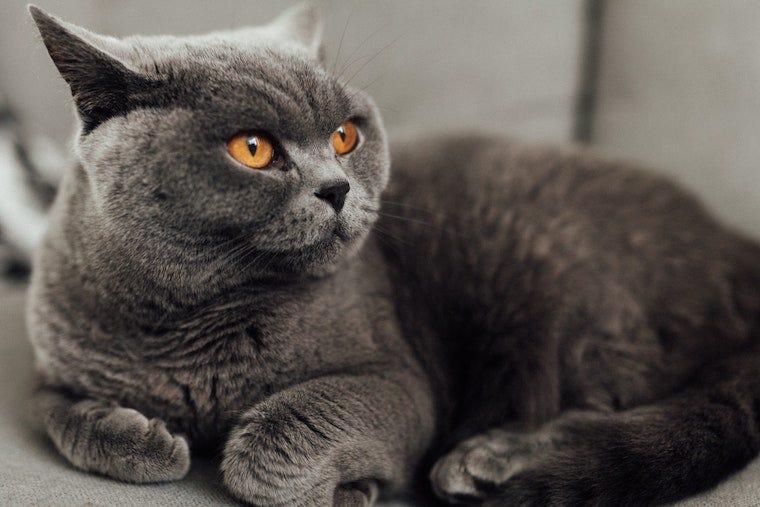
The British Shorthair, once called the British Blue, has a crisp, plush coat, dense and waterproof, over a compact, cobby body. They are medium to large in size, with a massive, round head atop a short, thick neck. They are sometimes known as the bulldog of the feline world. The British Shorthair is best known for being blue-grey in color, but may be bred in other shades and different colors.
Although quiet and initially hesitant, this grey cat breed will warm to people once they become familiar with them and will bond closely with human family members. They are particularly good with children, showing patience, affection, and easy adaptation to changes in the home.
The British Shorthair is considered the first official showcat. Until the late 19th century, they were a mere average domestic cat, commonly called a moggy in Britain. Over time, the Shorthair came to be regarded as more than just a working cat, and, per PetMD, began to be welcomed into the home to “share the warmth of the hearth with the family proper.”
Blue Persian
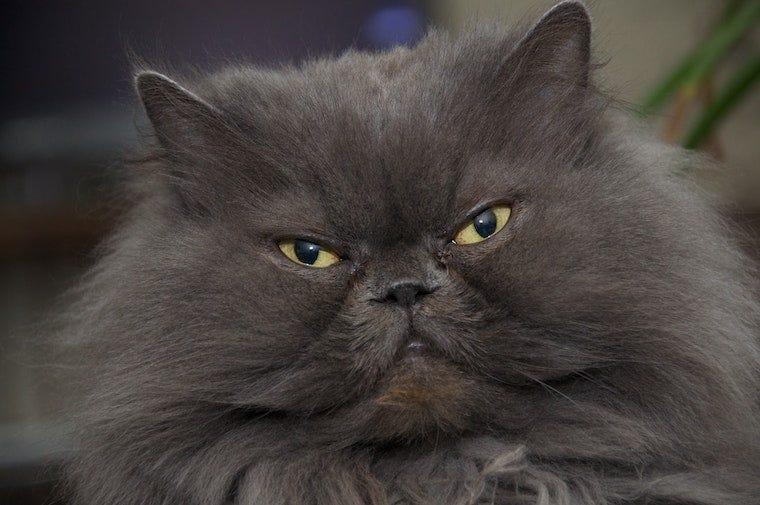
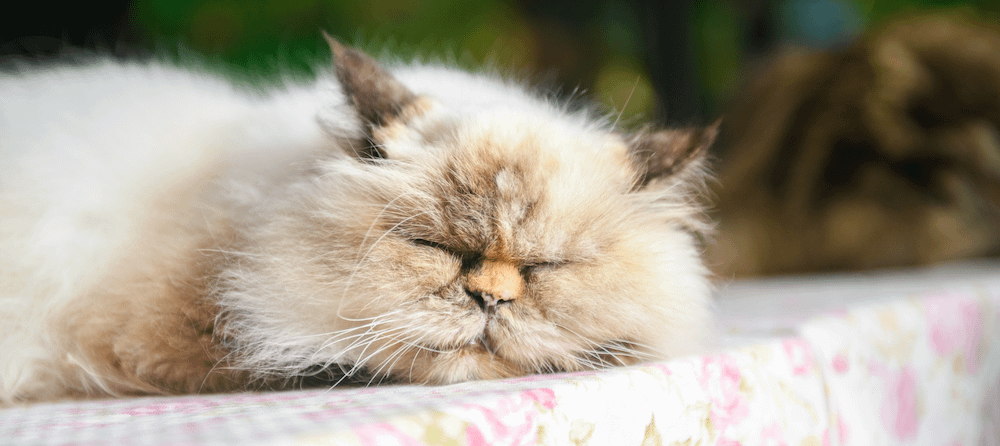
While Persian cats are typically famous for their silky grey and white coats, they come in various other colors, including the Blue Persian, a perfectly handsome grey kitty. This very old breed is thought to have originated from Turkish Angora cats crossed with other long-haired cats from Persia, Afghanistan, Burma, China, and Russia. The Persian won over an Italian nobleman in the 1600s. He brought them to Europe, where they became Queen Victoria’s favorite.
Persians have been called “furniture with fur” because of their long periods of inactivity. These cats have a sweet, gentle nature and prefer a calm atmosphere. While they are happy to be groomed and petted, they aren’t generally interested in playing games or chasing toys. However, as with any pet, it’s important to try to engage your Persian in some playtime exercise every day.
Scottish Fold

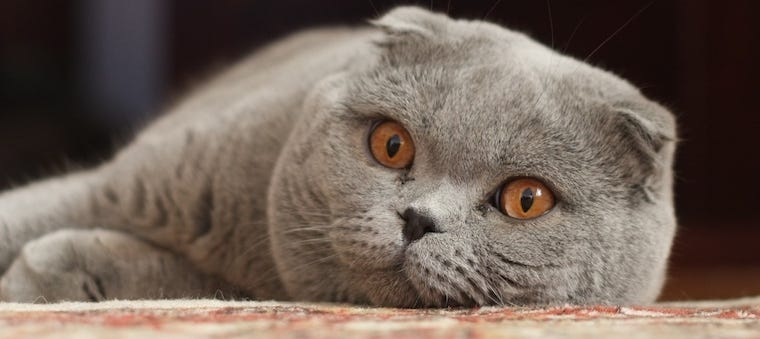
Scottish Folds have plush, dense fur that can be either short or long, and often grey. This sweet, chill grey cat breed presents a sturdy body covered with padding. Scottish Folds are one of the most popular breeds in America and Europe. They are typically happy with a sweet disposition. The Scottish Fold is known for sitting up like a human, affectionately coined “the Buddha sit.”
Every Scottish Fold cat alive today can trace his or her ancestry back to a barn cat named Susie. In Scotland in 1961, a shepherd named William Ross found Susie, a long-haired white female with distinct folded ears. Susie was bred with various other breeds like Persians, American Shorthairs, and Exotic Shorthairs to achieve the sweet, round look of Scottish Folds today.
Fun fact: All Scottish Fold kittens are born with straight ears; 18 to 24 days after birth, their ears will fold in about 50% of the litter.
Sphynx

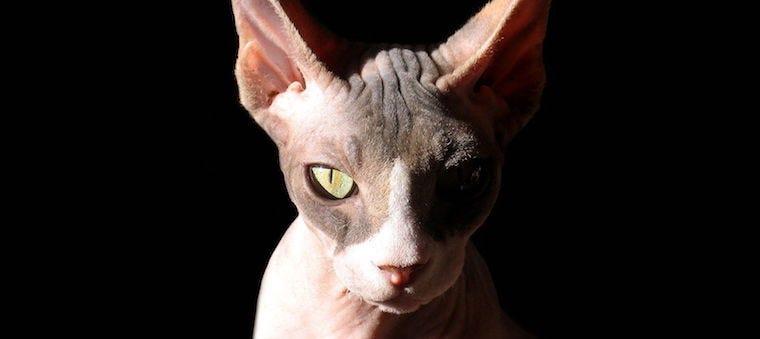
The popular Sphynx cat is typically hairless but may have a fine down on its body. Many Sphynx will have grey skin or grey down and still require regular bathing. If hairless cats like the Sphynx are not wiped down or sponge-bathed weekly, they may feel sticky to the touch and develop skin problems.
How did this breed get its name? In 1966, Ontario, Canada, a black and white cat gave birth to a wrinkled hairless kitten. The owner named this kitten Prune, which was eventually bred to other cats in an attempt to create more hairless kittens. Hairlessness is a recessive gene, so some of the kittens were born with hair and some were not. The first kittens were called Canadian Hairless Cats. People began referring to them as Sphynx cats due to their resemblance to the ancient Egyptian cat sculpture, the Sphinx. And despite their stoic appearance, the Sphynx cat is known for her highly social, attention-loving, and inquisitive personality.
Domestic Shorthair
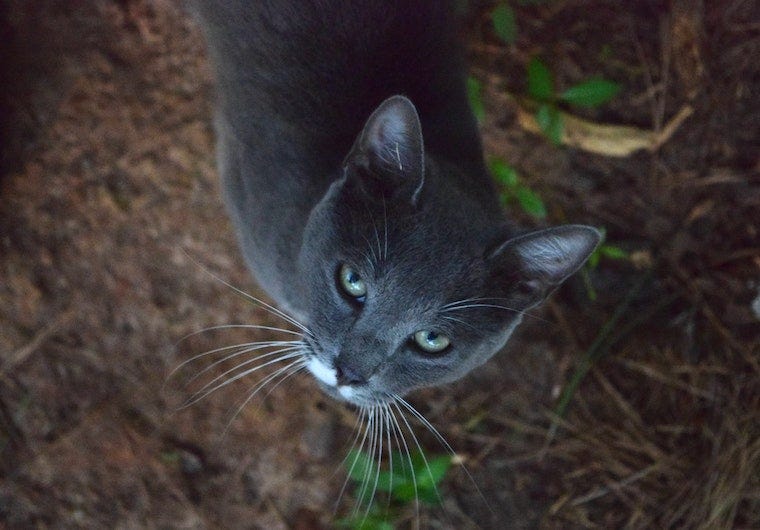
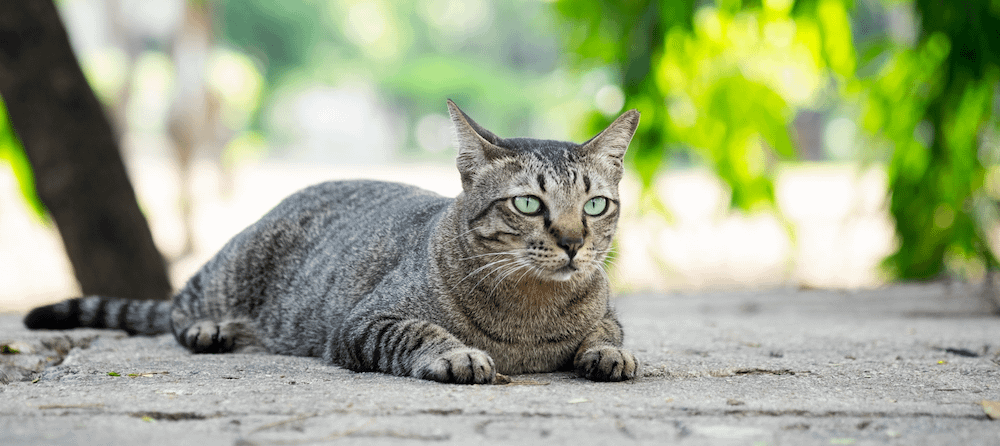
Domestic Shorthair cats—also known as moggy cats, mutts, or mixed-breed cats—refer to any shorthair non-pedigreed cat. Domestic Shorthairs are the most common cat breed in the United States, accounting for around 90–95% of their number. They come in any size, shape, coat pattern, or color—including grey!
For instance, a Domestic Shorthair can be solid grey, a grey tabby (striped, spotted, and swirled), a grey colorpoint, or a grey tuxedo (bi-color).
Typical personalities of grey cats
Grey cat breeds often share some charming characteristics that make them stand out. While every cat is an individual, many grey felines exhibit a delightful blend of traits:
- Calm and Serene: Many grey cats are known for their laid-back and composed nature. They bring a sense of tranquility to the home and often enjoy quiet observation.
- Playful and Curious: Don't let their calm demeanor fool you! Grey cats frequently have a mischievous, playful side and a keen curiosity about their surroundings. They love to explore and engage in interactive play.
- Intelligent and Sociable: Owners often report that their grey companions are highly intelligent and enjoy interacting with their human families. They might follow you around, keenly observing your activities, whether you're in the kitchen or relaxing.
- Varied Communication Styles: Some grey cats can be quite vocal, using meows and purrs to express themselves, while others might be more reserved, communicating through subtle body language.
Remember, these are general observations. Your grey cat will have their own unique personality and quirks!
Identifying your grey cat’s breed
Cracking the code of your grey cat's breed can be a fun and fascinating task. Since grey cats come in a variety of shades, it’s hard to use that as a way to determine the breed. However, there are certain physical characteristics and personality traits that can offer some clues.
Curious about your grey cat's lineage? Here are some clues based on common grey breeds:
- Russian Blue: Look for a plush, double coat, vivid green eyes, and a strong preference for cleanliness
- Korat: These cats often have silver-tipped fur and are known for their social, attention-seeking personality
- Chartreux: If your grey cat has a robust body, relatively thin legs, and a playful, good-tempered disposition, they might be a Chartreux
- Nebelung: An affectionate and playful cat with semi-long fur and bright green eyes could be a Nebelung
- British Shorthair: Known for their dense, plush coats, round heads, and thick necks
- Sphynx: If your grey cat is hairless and requires regular bathing, it's likely a Sphynx
- Domestic Shorthair: If your cat has a grey coat with a tabby, colorpoint, or tuxedo pattern, you likely have a Domestic Shorthair.
Remember, identifying your cat's breed can be a delightful mystery to unravel, but regardless of their breed, your grey cat is sure to bring joy and beauty to your home. So, whether you're living with a Russian Blue or a Domestic Shorthair, one thing is certain: there's nothing quite like the love of a grey cat!
Q: Is it “grey cat” or “gray cat”?
A: Both are correct! “Grey” is the British spelling, and “gray” is American — but when it comes to cats, people search for both!
Other grey cat breeds
Grey commonly arises in a plethora of other cat breeds, including the following:
- Oriental Shorthair
- Norwegian Forest Cat
- Balinese
- Egyptian Mau
- Siamese
- Snowshoe
- Devon Rex
- Siberian
- American Shorthair
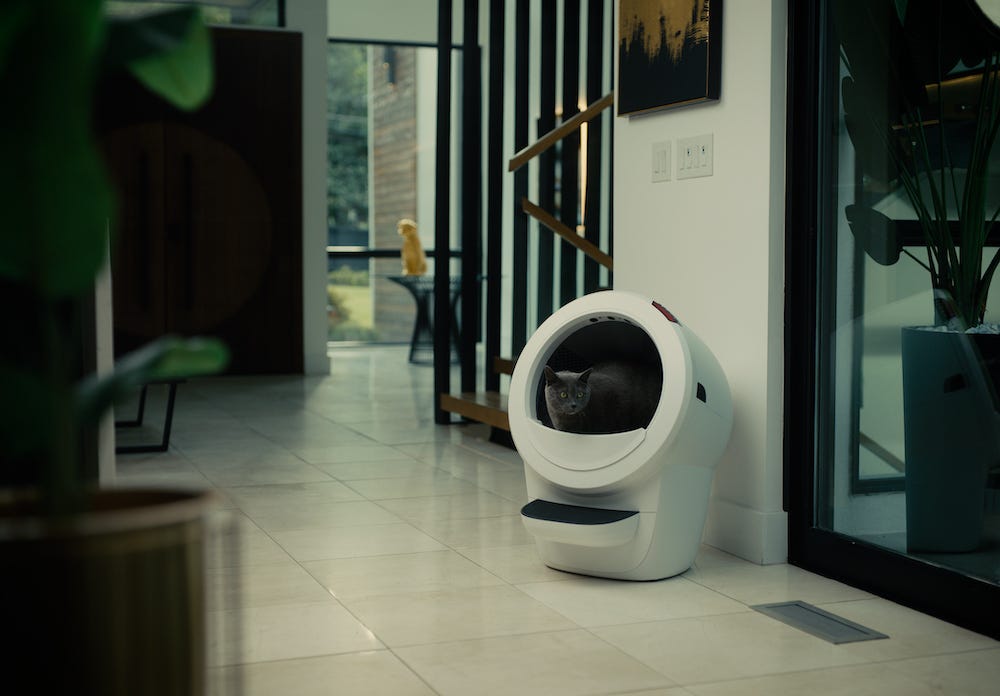
The only thing cooler than adopting a kitty belonging to one of these grey cat breeds? Watching that kitty use Litter-Robot self-cleaning litter boxes!
Whether or not you have a preference among the grey cat breeds, we can all appreciate the beauty and unique spirit they bring to the feline world.